Observation and review
Who it may suit: For a developing bite or minor concern where immediate intervention may not provide a clear advantage.
Visits and timing: Review timing depends on eruption, growth and risk.
An orthodontist assesses tooth alignment, bite and jaw relationships before braces, clear aligners or monitoring are considered. At Sai Multi Speciality Dental Clinic, Baner, Dr Shrikant Gadakh provides orthodontic assessment for children, teenagers and adults.
Dr Shrikant Gadakh, BDS, MDS
Orthodontics and Dentofacial Orthopaedics
Clinically reviewed by Dr Archana Satpute and Dr Shrikant Gadakh, both dentists at the clinic. Last reviewed 16 October 2026.
Orthodontics is the dental field concerned with how teeth are positioned and how the upper and lower teeth meet. Dentofacial orthopaedics also considers growth and jaw relationships. The aim of an assessment is to define the problem and realistic treatment objectives, not simply to select an appliance. [1]
An orthodontist assesses tooth alignment, bite and jaw relationships before braces, clear aligners or monitoring are considered. At Sai Multi Speciality Dental Clinic, Baner, Dr Shrikant Gadakh provides orthodontic assessment for children, teenagers and adults.
Patients also search for this as a braces dentist, a teeth straightening dentist or a dentist for braces and aligners. If you are looking for an orthodontist in Baner, Dr Shrikant Gadakh holds an MDS in Orthodontics and Dentofacial Orthopaedics and assesses tooth position, jaw growth and bite before explaining options such as metal braces, ceramic braces, lingual braces and clear aligners.
The orthodontist first defines the problem, then discusses appropriate options.
An orthodontic opinion may be useful for crowding, spacing, protruding teeth, crossbite, open bite, deep bite, delayed or impacted teeth, difficulty cleaning because of tooth position, relapse after earlier treatment or questions about a child’s dental development. Appearance may be one concern, but health, function and stability also influence planning.
Patients may book directly or arrive after a referral. Bring information about when the concern began, what has changed and any previous treatment. A symptom list supports triage but cannot replace examination.
Arrange an assessment when the cause, urgency or treatment route is unclear.
The first appointment covers the patient’s concern, medical and dental history, previous orthodontic care and an examination of teeth, gums, bite, jaw relationships and facial balance. Dr Shrikant explains the initial findings and whether records, preventive care, another dental procedure, review or active treatment should come next.
You can ask what has been found, how certain the diagnosis is, whether further records are needed and what may happen if treatment is delayed or declined.
Want to talk this through before you book? Our team can answer questions about orthodontist by phone or WhatsApp.
The first visit establishes diagnosis, priorities and the next reasonable step.
Diagnostic records are selected for the question being investigated. They may include clinical photographs, measurements, models or digital scans and radiographs when justified. Existing records are reviewed for date, quality and relevance. A photograph sent by message cannot show root position, gum condition or the complete bite. [2]
Records should be proportional to the clinical question. The orthodontist explains why a test or image is being considered and how the result could affect the decision. Routine repetition without diagnostic value should be avoided.
When existing records are current and adequate, they may help compare plans or reduce duplication. New information may still be necessary if symptoms or the clinical condition have changed.
Useful records answer a defined question and support informed decisions.
Who it may suit: For a developing bite or minor concern where immediate intervention may not provide a clear advantage.
Visits and timing: Review timing depends on eruption, growth and risk.
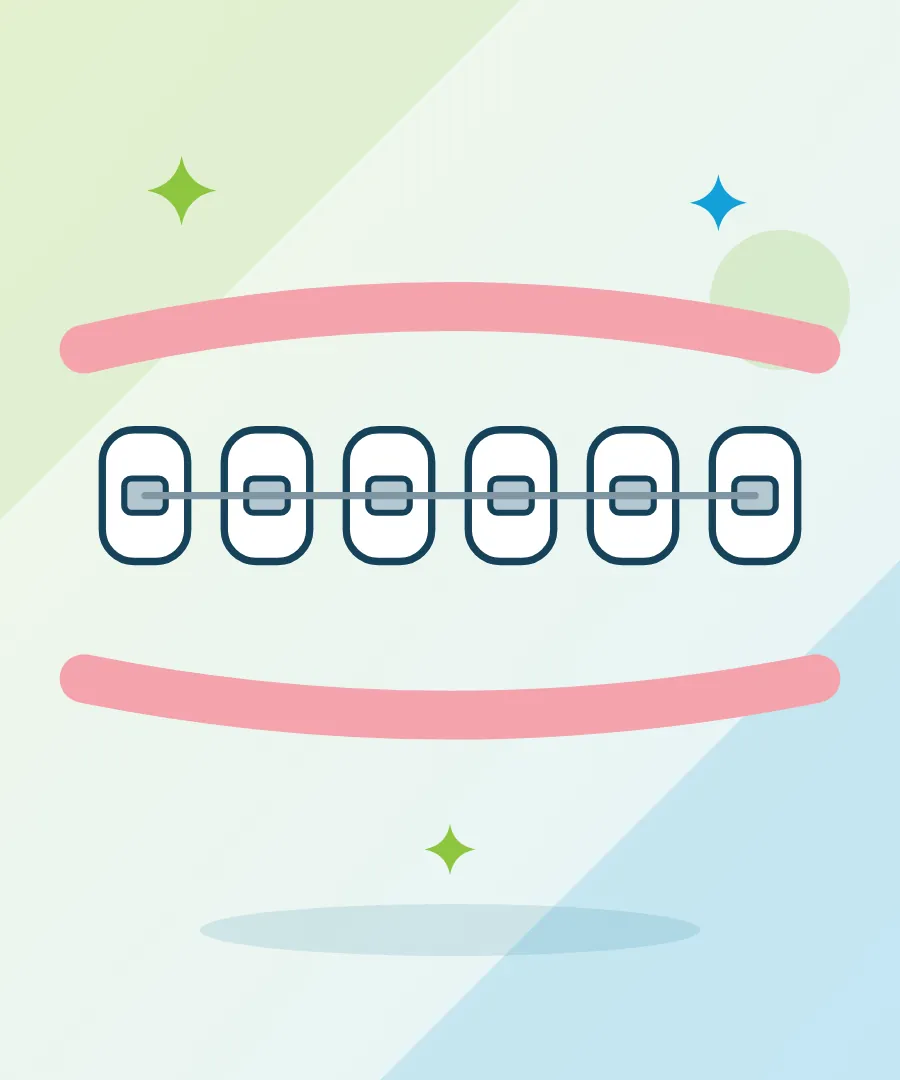
Who it may suit: For controlled tooth movement when brackets and wires match the treatment objectives.
Visits and timing: Regular adjustments, appliance care and retention are required.
Who it may suit: For selected movements when removable appliance wear and monitoring are realistic.
Visits and timing: Wear time, refinements and retention affect progress.
These pathways are examples rather than a menu that establishes suitability. The patient’s diagnosis, health, priorities, ability to maintain care and the consequences of each option shape the recommendation.
The least extensive maintainable option should be considered alongside active treatment.
Once records are complete, the orthodontist creates a problem list and discusses objectives, reasonable alternatives, limitations and responsibilities. Any active decay or gum inflammation should be controlled before tooth movement. Appliance placement or delivery follows consent, and progress is reviewed at planned visits.
Before elective care, the orthodontist discusses expected benefit, material risks, reasonable alternatives, responsibilities and follow-up. Consent can be revisited when findings change or the plan needs modification.
Planning, consent and monitoring are parts of treatment, not administrative extras.
Orthodontic treatment normally involves repeated monitoring rather than one procedure. Appointment frequency and overall duration vary with the problem, appliance, biological response, growth, attendance, breakages and cooperation. Missed reviews or inconsistent aligner or elastic wear can affect progress and may change the plan.
The clinic can provide a provisional sequence after assessment, but biological response and new findings can change it. Patients should know which visit is for diagnosis, active care, review or another clinician before scheduling travel and work commitments.
Keep the clinic informed about missed appointments, new symptoms or difficulty following instructions. Early communication can prevent a small interruption from becoming a larger treatment problem.
The number and timing of visits follow the clinical sequence rather than a fixed package.
No appliance can promise a particular facial change, exact completion date or lifelong tooth position. Root shortening, gum changes, enamel marks, discomfort, relapse and incomplete correction are among the matters that may need discussion according to the case. Retainers and long-term maintenance reduce relapse risk but do not eliminate it. [3]
Expected results depend on diagnosis, disease severity, anatomy, health, patient cooperation, maintenance and factors outside a clinician’s control. A responsible page should not promise a precise outcome or describe orthodontic care as without risk.
Alternatives can include monitoring, another type of dental treatment, referral or choosing not to proceed. The orthodontist explains clinically important consequences of each reasonable route.
Balanced consent includes uncertainty and alternatives as well as potential benefit.
For children, timing depends on eruption, growth, function and whether early action provides an advantage over monitoring. For adults, gum health, restorations, missing teeth and previous dental treatment may affect movement. Age alone does not establish suitability, and complex jaw discrepancies may require another opinion.
Age informs planning, but clinical findings determine suitability.
Pressure or tenderness can occur after an appliance is placed or adjusted. Patients should report broken components, mouth sores that do not settle or pain that seems unusual. Tell the clinic about anxiety, sensory needs or a strong gag reflex so the assessment can be paced and communication adapted.
Patients can ask for an explanation before each step, agree on a signal to pause and disclose previous reactions or communication needs. Comfort support should be individualised without making claims that every visit will be without symptoms.
Not sure whether orthodontist applies to you? Call or message the clinic and we will explain the next step.
Clear expectations and communication support a safer, more manageable visit.
A loose bracket, poking wire or lost retainer usually needs prompt orthodontic advice but is not generally a medical emergency. Major facial trauma, uncontrolled bleeding, breathing or swallowing difficulty, rapidly increasing facial swelling or severe systemic illness requires urgent medical care.
Call the clinic and describe severity, duration and associated symptoms. The clinic confirms whether an urgent dental appointment is available. An online message is not emergency monitoring.
Use dental triage for urgent oral concerns and emergency medical services for airway risk or severe illness.
Dr Shrikant coordinates with Dr Archana Satpute when decay, pulp health, restorability or restoration design affects orthodontic planning. Periodontal, surgical, paediatric or complex jaw needs may require referral. A coordinated sequence helps avoid moving teeth before disease control or restorative decisions are complete.
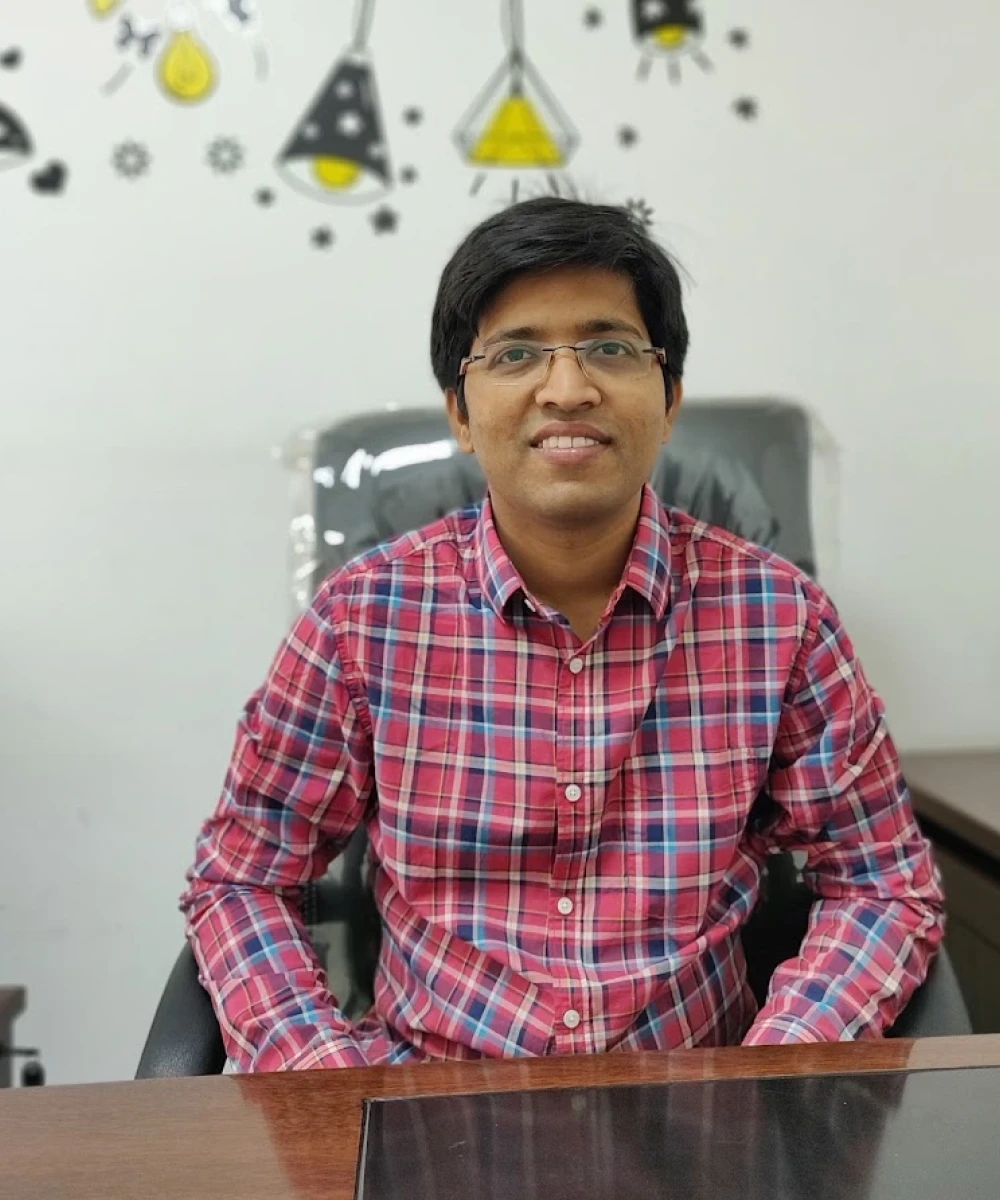
BDS, MDS · Orthodontist
Leads assessment and treatment planning within orthodontics and dentofacial orthopaedics.
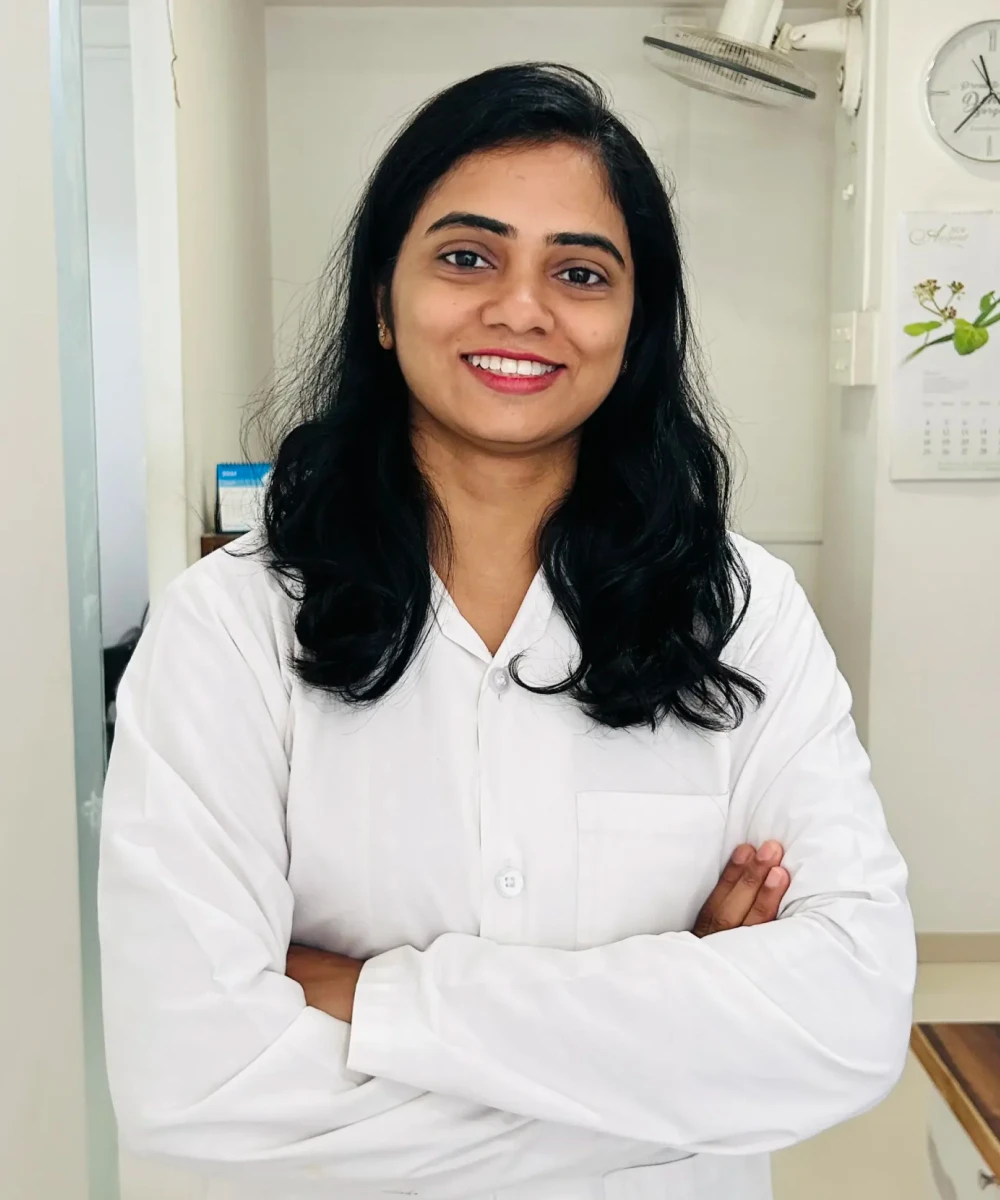
BDS, MDS · Endodontist
Contributes when the diagnosis or sequence involves the colleague’s field.
The clinician whose training fits each problem should lead that part of care.
“Hello I have aligner treatment here for spacing in upper teeth after 8 months all space are close. …”
“Doing braces treatment here, treatment going nicely,my teeth are in good shape now ,smile better now in short time thank you Dr Shrikant Sir”
“I started my braces treatment at some other clinic.It was total waste of our time and mainly my problem did not resolved. I transferred my treatment to Sai Multi Speciality Dental Clinic in Baner and it’s going very well now. All my queries are answered by Dr Shrikant and Dr. Archana. I feel confident that my treatment is going in right direction as seeing improvements in my teeth.”
“I got my braces treatment done with Dr Shrikant Sir nd Im honestly very happy with the results.wonderfull Experience very helpfull throughout my braces journey.”
The rating below is the overall Google rating for the clinic, not a rating for Orthodontist. These are 5-star Google reviews chosen for relevance to this page, shown as written. A longer review may be shortened at the end of a sentence, and the link opens the full review. Reviews describe individual experiences and do not predict the result of your treatment.
Sai Multi Speciality Dental Clinic, Baner
Shop no 101, Alacrity Commercial Complex, near Bitwise Terratower, Mohan Nagar Co-Op Society, Baner, Pune, Maharashtra 411045, India
+91 70203 80193
WhatsApp the clinic
| Monday–Saturday | 10:00 am–1:00 pm 4:00 pm–9:00 pm |
|---|---|
| Sunday | Closed |
Confirm orthodontist availability and public-holiday hours before travelling.
Orthodontic appointments take place at the verified Mohan Nagar, Baner clinic.
A referral is not normally required to request an orthodontic assessment. Tell the clinic the patient’s age, main concern and any current appliance when booking.
No. The outcome may be observation, preventive or restorative care, records, braces, aligners, referral or no treatment at that time.
Adults can be assessed, but gum health, restorations, missing teeth, bite and treatment objectives determine suitability.
No. The required movements, bite, gum health, wear commitment and other findings determine whether aligners are reasonable.
Yes. Bring the full proposal and diagnostic records so space, facial relationships, tooth condition and alternatives can be reviewed.
Many dentists suggest an orthodontic check around age seven, when the first adult molars and front teeth come through, though treatment often starts later. An early check does not mean braces are needed, and the dentist explains whether to treat now or watch.
Records usually include photographs, dental impressions or scans and X-rays of the teeth and jaws. They show tooth position, root health and jaw relationships, and help plan the treatment and measure progress.
The clinic confirms orthodontist availability after reviewing the request and schedule.
