Conventional metal brackets
May suit: For fixed treatment using elastic modules to hold the wire. Timeline: Appointments progress through alignment, space and bite stages.
Metal braces use stainless-steel brackets and archwires to move teeth in planned stages. Their visibility is obvious, but the material is durable and the system can manage a wide range of orthodontic movements.
At Sai Multi Speciality Dental Clinic, Baner, Dr Shrikant Gadakh recommends metal braces when their control, durability and appliance design suit the diagnosis. Coloured or neutral elastic modules may be used with conventional brackets.

Clinically reviewed by Dr Archana Satpute and Dr Shrikant Gadakh, both dentists at the clinic. Last reviewed 16 October 2026.
Metal braces are fixed appliances made with metal brackets and wires. They may treat crowding, spacing and bite problems when oral health is stable and the patient can maintain cleaning, food precautions and review visits.
A metal bracket is bonded to each selected tooth. An archwire passes through bracket slots and is commonly held by small elastic modules in a conventional system. Wires and auxiliaries are changed as alignment and bite correction progress. [1]
Metal braces remain visible throughout treatment. Their small components still require careful brushing around the gum line and beneath the wire. Coloured modules can personalise appearance, while neutral modules make the system less colourful but not invisible.
Metal brackets are robust, familiar and suitable for many movement patterns. Ceramic brackets may be less conspicuous but have different material and bite considerations. Aligners are removable and rely heavily on prescribed wear.
This treatment is also called traditional braces, stainless steel braces or fixed braces. If you are looking for metal braces in Baner, the dentist can explain how they differ from ceramic braces, lingual braces and clear aligners, and whether they suit the bite problem and the age of the patient.
The right treatment starts with identifying the condition and the least extensive suitable option.
Suitability depends on examination findings, not symptoms or appearance alone.
The effectiveness of a fixed brace comes from its prescription, wire sequence, auxiliaries and clinician-controlled force system rather than colour alone. Bracket position influences the final tooth position, while elastic wear may be needed to coordinate how the arches meet. [2]
May suit: For fixed treatment using elastic modules to hold the wire. Timeline: Appointments progress through alignment, space and bite stages.
May suit: For a metal system with an integral clip rather than individual modules. Timeline: Treatment time still depends on diagnosis and response.
May suit: When reduced appliance visibility is an important and feasible priority. Timeline: Material or wear requirements should be compared before choosing.
Want to talk this through before you book? Our team can answer questions about metal braces by phone or WhatsApp.
The condition, remaining support and long-term maintenance needs determine the appropriate option.
Records determine tooth movements, space needs and bite objectives.
Teeth are cleaned and isolated before brackets are bonded.
A light wire begins alignment and cleaning instructions are demonstrated.
Wires, modules and auxiliaries change according to movement.
Brackets are removed and retainers are fitted to hold alignment.
Care moves from diagnosis and planning to treatment, checks and maintenance.
Metal braces usually require regular adjustments over many months. Early visits focus on alignment, while later stages may address space, root position and the bite. The exact sequence is individual, and repeated breakage or missed appointments can delay progress.
Visit numbers depend on diagnosis, complexity, preliminary care and review needs.
Teeth commonly feel tender after fitting and some adjustments. Brackets may rub the lips or cheeks until the mouth adapts. Wax can cover a rough area temporarily; a persistently sharp wire or displaced component should be reported.
Tell us about anxiety, sensitivity, previous difficult dental experiences or medical concerns before care begins. We can explain each stage, agree on a stop signal and pause when clinically appropriate.
Comfort planning begins with knowing what you feel and agreeing how we communicate during care.
Clean each bracket edge, gum line and beneath the wire every day.
Clean between teeth and around components with the recommended size.
Do not bite hard or sticky foods directly with the appliance.
Attend orthodontic and routine dental reviews throughout care.
Follow the advice for your specific procedure and contact us when symptoms worsen instead of settling.
Metal braces still need maintenance and do not remove the biological limits of tooth movement. Poor plaque control can lead to enamel marks, decay and gum inflammation. Roots may shorten and teeth can relapse. Visible metal may also be unacceptable to some patients despite its clinical suitability. [3]
Medical history, medicines, ability to tolerate care and the feasibility of long-term maintenance are considered before elective treatment.
Mouth ulcers, soreness after adjustments and extra cleaning effort are common. Less common problems include white marks or decay around brackets, gum inflammation, root shortening and relapse without retainers. Call the clinic for a poking wire, a loose bracket, an injury to the mouth or pain that does not settle.
Not sure whether metal braces applies to you? Call or message the clinic and we will explain the next step.
We recommend treatment only when the expected benefit and maintainability justify proceeding.
We assess whether a fixed metal appliance can achieve the intended alignment and bite correction. Dr Shrikant explains records, possible space management, the role of elastics, cleaning requirements, likely stages and retainers.
Before you decide, we explain the likely benefits, material risks, alternatives and consequences of delay. You can take time to consider elective treatment.
The first visit establishes the diagnosis, priorities and a treatment plan specific to you.
Your care is planned by the dentist whose training matches the treatment, with coordinated support when more than one speciality is involved.
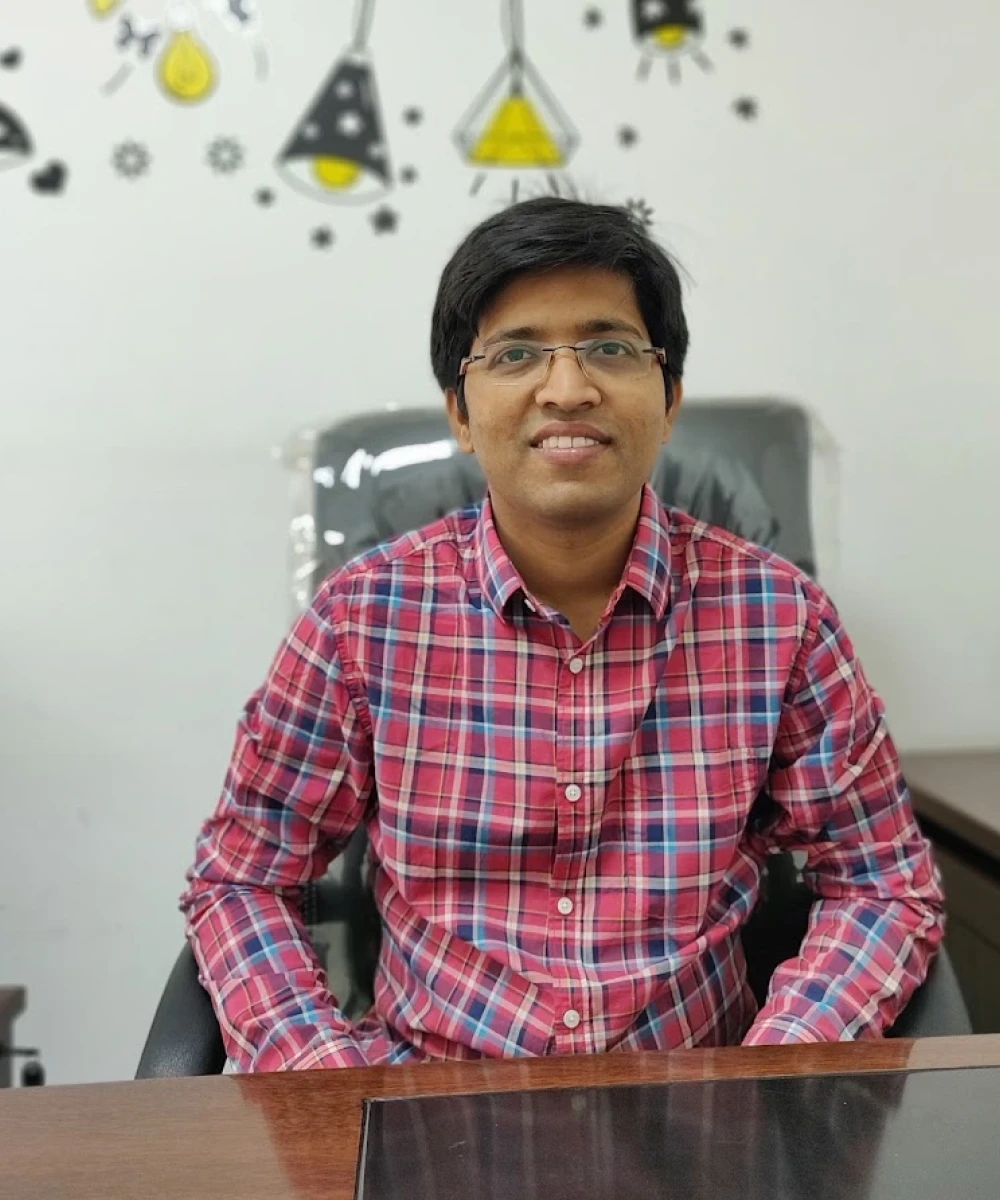
BDS, MDS · Orthodontist
Dr Shrikant completed BDS at Rural Dental College, Loni, and MDS in Orthodontics and Dentofacial Orthopaedics at M.G.V. Dental College, Nashik. He focuses on bite and alignment concerns.
His input is available when tooth position affects the plan.
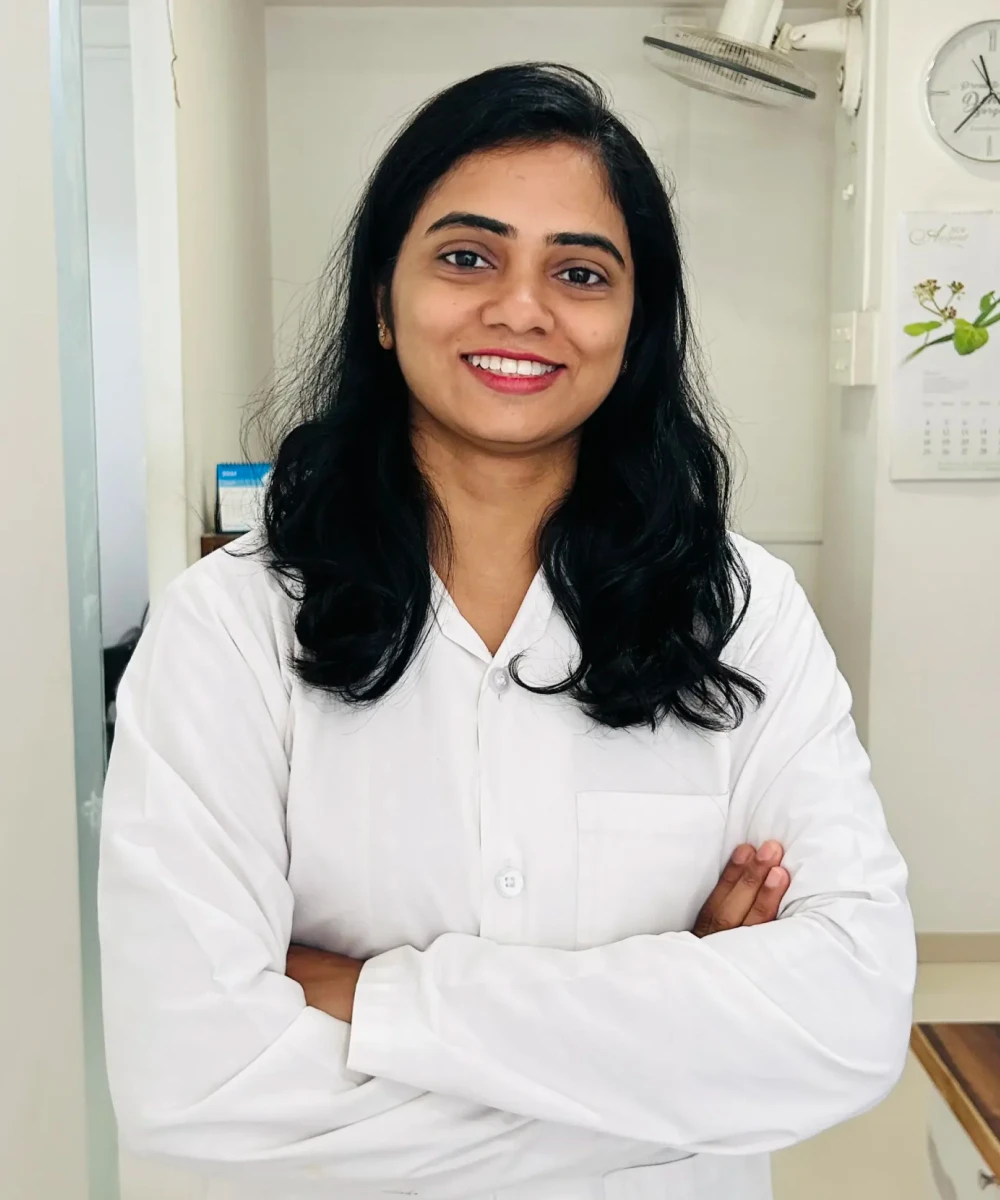
BDS, MDS · Endodontist
Dr Archana completed BDS at Rural Dental College, Loni, and MDS in Conservative Dentistry and Endodontics at SMBT Dental College, Sangamner. She received a Maharashtra University of Health Sciences gold medal and has taught as an assistant professor.
She assesses symptoms, tooth structure and restorative needs before recommending care.
The relevant dentist leads your plan, with coordinated support when needed.
“Took braces treatment here! Dr. Shrikant was very patient and skilled at his work. The clinic is well managed and the results were really good. Highly trust them for any dental work.”
“Very nice and hospitable service. Doctors are well trained and they treated me very well. Root canal and braces weren’t as painful as I thought. Dr Archana Satpute made sure that I don’t experience any pain or discomfort during the treatment.”
“I'm very happy with my teeth aligner journey at this clinic. Excellent guidance, smooth treatment, and a caring team throughout. …”
“I have done braces treatment here it was nice experience Dr shrikant sir done great job my smile is now perfect. Thank you”
The rating below is the overall Google rating for the clinic, not a rating for Metal Braces. These are 5-star Google reviews chosen for relevance to this page, shown as written. A longer review may be shortened at the end of a sentence, and the link opens the full review. Reviews describe individual experiences and do not predict the result of your treatment.
Find us in Alacrity Commercial Complex near Bitwise Terratower, Mohan Nagar, Baner.
Sai Multi Speciality Dental Clinic, Baner
Shop no 101, Alacrity Commercial Complex, near Bitwise Terratower, Mohan Nagar Co-Op Society, Baner, Pune, Maharashtra 411045, India
+91 70203 80193
WhatsApp +91 70203 80193
| Monday–Saturday | 10:00 am–1:00 pm 4:00 pm–9:00 pm |
|---|---|
| Sunday | Closed |
Please call before travelling on public holidays.
Call before travelling to confirm the schedule and any access requirements.
No. Teenagers and adults can also use metal braces when teeth, gums, health and treatment objectives make fixed orthodontics appropriate.
Conventional metal brackets often use elastic modules that may be available in different colours. Availability and suitability can be confirmed at the clinic.
Orthodontic brackets and wires are made from materials intended for use in the mouth. Tell the orthodontist about known metal allergies before treatment.
Angle the toothbrush above and below brackets and use the advised interdental brush beneath the wire and between teeth. Technique is demonstrated after fitting.
Not automatically. Duration depends mainly on the problem, movements, biology, cooperation, breakages and attendance rather than bracket material alone.
Yes. Many adults have metal braces, especially when the bite problem is complex. Adults should have the gums checked first, because gum disease needs to be controlled before teeth are moved.
Reviews are usually every four to eight weeks for wire changes and checks. The interval depends on the plan, and missed visits can lengthen treatment, so book the next review before you leave.
An examination remains necessary even when your concern sounds similar to a common dental problem.
Tell us what you have noticed and whether the concern is routine, uncomfortable or urgent.
Bring the proposed plan and records. We can review whether metal braces are recommended for clinical control, material preference or both, and compare ceramic, self-ligating and removable alternatives without assuming one is universally superior.
We confirm appointment requests after checking availability.
Related care depends on the diagnosis, treatment sequence and long-term maintenance needs.
