Observation
May suit: For development that should be monitored rather than treated. Timeline: Review at selected growth or eruption stages.
An early orthodontic evaluation checks how a child’s jaws, baby teeth and adult teeth are developing. Assessment by about age seven can identify concerns, but many children need observation rather than immediate treatment.
At Sai Multi Speciality Dental Clinic, Baner, Dr Shrikant Gadakh examines facial growth, eruption, crowding, crossbite, overjet, habits and functional shifts before advising monitoring or intervention.
Clinically reviewed by Dr Archana Satpute and Dr Shrikant Gadakh, both dentists at the clinic. Last reviewed 16 October 2026.
Early evaluation can identify crossbites, eruption problems, prominent teeth, space loss and jaw discrepancies while growth continues. It does not mean every child should start braces.
Around age seven, children often have a mix of baby and adult teeth that reveals developing bite relationships. Earlier review may be indicated for crossbite, missing eruption, trauma risk or significant habits. [1]
Some problems benefit from a limited early phase, while others are observed until more teeth erupt. A second comprehensive phase may still be needed later even after early treatment.
Observation visits can track growth and eruption without appliances. Intervention is justified only when timing provides a meaningful health or developmental advantage.
Patients also search for this as an early orthodontic check, an orthodontic assessment for children or interceptive orthodontic treatment. If you are looking for early orthodontic evaluation in Baner, the dentist checks tooth eruption, jaw growth, habits and bite, and explains whether the child needs treatment now, a review later or nothing beyond regular check-ups.
The right treatment starts with identifying the condition and the least extensive suitable option.
Suitability depends on examination findings, not symptoms or appearance alone.
Tooth size, jaw growth, eruption sequence, habits and early loss of baby teeth interact. The goal is to identify time-sensitive problems without medicalising normal development. [2]
May suit: For development that should be monitored rather than treated. Timeline: Review at selected growth or eruption stages.
May suit: For a defined problem where early timing provides benefit. Timeline: A limited phase with a specific objective.
May suit: When treatment is more appropriate after further eruption. Timeline: Planning resumes in adolescence or as indicated.
Want to talk this through before you book? Our team can answer questions about early orthodontic evaluation by phone or WhatsApp.
The condition, remaining support and long-term maintenance needs determine the appropriate option.
Discuss growth, habits, trauma and dental history.
Assess facial balance, jaw shifts, overjet and crossbite.
Review space, sequence and tooth position.
Take photographs or imaging only when indicated.
Explain observation, early care or later review.
Care moves from diagnosis and planning to treatment, checks and maintenance.
One assessment may lead to observation rather than treatment. Review timing follows eruption and growth. An appliance phase requires separate fitting and monitoring visits.
Visit numbers depend on diagnosis, complexity, preliminary care and review needs.
The examination is usually visual and hands-on, with records taken only as needed. Children should be told what will happen in simple terms without promising that every step feels identical.
Tell us about anxiety, sensitivity, previous difficult dental experiences or medical concerns before care begins. We can explain each stage, agree on a stop signal and pause when clinically appropriate.
Comfort planning begins with knowing what you feel and agreeing how we communicate during care.
Healthy teeth and gums are required before appliances.
Use sports protection when advised.
Support realistic changes without shaming the child.
Growth decisions depend on timely review.
Follow the advice for your specific procedure and contact us when symptoms worsen instead of settling.
Early treatment cannot eliminate every later orthodontic need or control all growth. Appliances require cooperation, and unnecessary treatment adds burden without benefit. [3]
Medical history, medicines, ability to tolerate care and the feasibility of long-term maintenance are considered before elective treatment.
An early evaluation itself carries little risk. Treatment started early can add visit time, and not every early appliance reduces later braces. Some problems, such as an underbite or a crossbite, may be worth treating early, while others are better left until more adult teeth have come through. Call the clinic if a child has pain in the jaw, difficulty chewing or a tooth that has been knocked or loosened.
Not sure whether early orthodontic evaluation applies to you? Call or message the clinic and we will explain the next step.
We recommend treatment only when the expected benefit and maintainability justify proceeding.
Bring details of habits, trauma, early tooth loss and family jaw concerns. Dr Shrikant explains whether the finding is time-sensitive or suitable for observation.
Before you decide, we explain the likely benefits, material risks, alternatives and consequences of delay. You can take time to consider elective treatment.
Children are not small adults, and the same procedure may need different timing, explanation or materials in a developing mouth. We consider age, tooth eruption, jaw growth, medical history, anxiety, communication and the child’s ability to cooperate safely. The caregiver remains part of consent, prevention and follow-through at home.
Caries-risk assessment looks beyond the number of existing cavities. Feeding and snacking frequency, fluoride exposure, brushing help, enamel defects, dry mouth, medicines and previous disease all contribute. Advice is prioritised so the family leaves with practical changes rather than a long generic list that is difficult to use.
Dental X-rays are not automatic at every visit. They are prescribed when history and examination indicate that the expected diagnostic benefit justifies exposure. The image type and interval depend on age, tooth contacts, symptoms, trauma, eruption and disease risk. Existing usable images should be considered before repeating them.
Behaviour guidance begins with communication. The dental team can use simple explanations, demonstration and gradual familiarisation, but the approach must respect safety and the child’s needs. If urgent disease, complex treatment, severe anxiety, disability or medical risk exceeds what can be managed appropriately, referral is a responsible part of care.
Prevention changes as the child grows. Caregiver brushing, fluoride toothpaste quantity, diet, sealant assessment, sports protection, habits and orthodontic monitoring become relevant at different stages. Recall intervals are therefore individualised and may change after new disease, improved home care or transition into adult teeth.
Parents should know which symptoms require earlier contact: facial swelling, fever, disturbed sleep from tooth pain, difficulty eating, trauma, a draining gum swelling or a tooth that changes colour after injury. Waiting for a routine recall can allow a child’s dental problem to progress despite few initial complaints.
The first visit establishes the diagnosis, priorities and a treatment plan specific to you.
Your care is planned by the dentist whose training matches the treatment, with coordinated support when more than one speciality is involved.
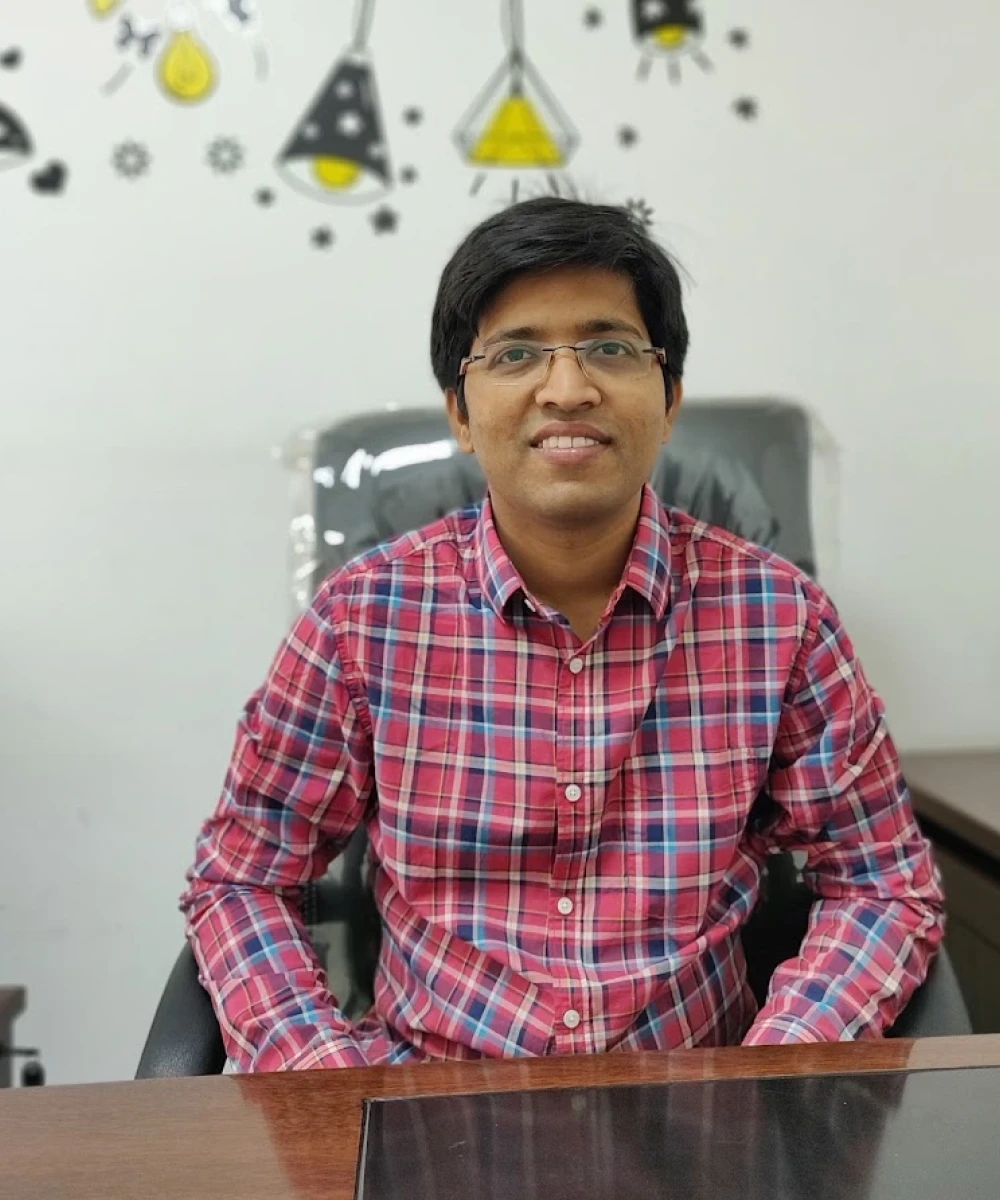
BDS, MDS · Orthodontist
Dr Shrikant completed BDS at Rural Dental College, Loni, and MDS in Orthodontics and Dentofacial Orthopaedics at M.G.V. Dental College, Nashik. He focuses on bite and alignment concerns.
His input is available when tooth position affects the plan.
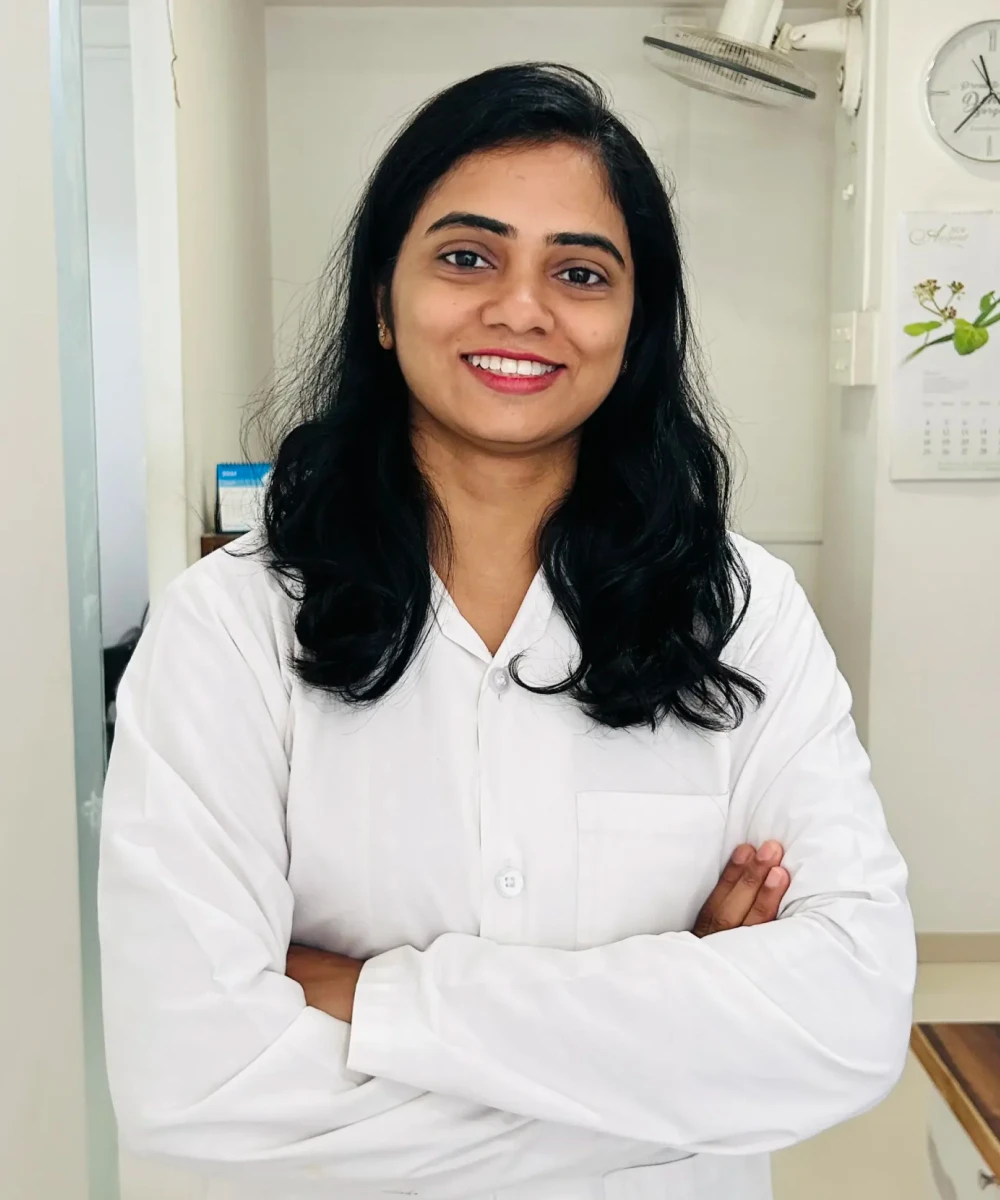
BDS, MDS · Endodontist
Dr Archana completed BDS at Rural Dental College, Loni, and MDS in Conservative Dentistry and Endodontics at SMBT Dental College, Sangamner. She received a Maharashtra University of Health Sciences gold medal and has taught as an assistant professor.
She assesses symptoms, tooth structure and restorative needs before recommending care.
The relevant dentist leads your plan, with coordinated support when needed.
“Very nice and hospitable service. Doctors are well trained and they treated me very well. Root canal and braces weren’t as painful as I thought. Dr Archana Satpute made sure that I don’t experience any pain or discomfort during the treatment.”
“I am extremely happy with my braces treatment at Sai Multi Speciality Dental Clinic in Baner. The doctor is excellent nd their staff is also friendly nd helpful . Making every visit is comfortable . Thank you”
“Took braces treatment here! Dr. Shrikant was very patient and skilled at his work. The clinic is well managed and the results were really good. Highly trust them for any dental work.”
“I started my braces treatment at some other clinic.It was total waste of our time and mainly my problem did not resolved. I transferred my treatment to Sai Multi Speciality Dental Clinic in Baner and it’s going very well now. All my queries are answered by Dr Shrikant and Dr. Archana. I feel confident that my treatment is going in right direction as seeing improvements in my teeth.”
The rating below is the overall Google rating for the clinic, not a rating for Early Orthodontic Evaluation. These are 5-star Google reviews chosen for relevance to this page, shown as written. A longer review may be shortened at the end of a sentence, and the link opens the full review. Reviews describe individual experiences and do not predict the result of your treatment.
Find us in Alacrity Commercial Complex near Bitwise Terratower, Mohan Nagar, Baner.
Sai Multi Speciality Dental Clinic, Baner
Shop no 101, Alacrity Commercial Complex, near Bitwise Terratower, Mohan Nagar Co-Op Society, Baner, Pune, Maharashtra 411045, India
+91 70203 80193
WhatsApp +91 70203 80193
| Monday–Saturday | 10:00 am–1:00 pm 4:00 pm–9:00 pm |
|---|---|
| Sunday | Closed |
Please call before travelling on public holidays.
Call before travelling to confirm the schedule and any access requirements.
A mix of baby and adult teeth can reveal eruption and bite problems while growth remains.
No. Many children are monitored without immediate treatment.
Selected crossbites, space problems, prominent teeth, eruption issues or growth-related concerns may benefit.
Not always. A later comprehensive phase may still be needed.
No. Imaging is prescribed only when expected diagnostic benefit justifies it.
Signs include teeth that overlap badly, a bite where the lower teeth sit in front of the upper ones, thumb-sucking beyond early childhood, mouth breathing, late or early loss of baby teeth, or difficulty chewing. A dental review can tell whether these need action.
Not always. The dentist first examines the teeth and bite, and an X-ray is taken only when it will change the plan, for example to check unerupted teeth or jaw growth. Parents are told why any X-ray is advised.
An examination remains necessary even when your concern sounds similar to a common dental problem.
Tell us what you have noticed and whether the concern is routine, uncomfortable or urgent.
Bring photographs, X-rays and any appliance proposal to review the diagnosis, objective, timing and likelihood of later treatment.
We confirm appointment requests after checking availability.
Related care depends on the diagnosis, treatment sequence and long-term maintenance needs.
