Treat inflammation and reassess
May suit: Mobility associated with periodontal inflammation and maintainable support. Timeline: Initial therapy, healing time and objective review.
Loose teeth in an adult are not considered normal. Periodontal support loss is a common cause, but trauma, infection, root fracture, bite overload, orthodontic movement and other health factors can also contribute.
At Sai Multi Speciality Dental Clinic, Baner, the dental team assesses mobility, gums, bite, tooth vitality, restorability and relevant imaging before discussing periodontal care, stabilisation, tooth-preserving treatment, removal or referral.
Clinically reviewed by Dr Archana Satpute and Dr Shrikant Gadakh, both dentists at the clinic. Last reviewed 16 October 2026.
An adult loose tooth should be examined rather than repeatedly tested with the tongue or fingers. The amount and direction of movement, gum and bone support, infection, root condition and bite determine whether it can be stabilised or retained.
Periodontitis can destroy the ligament and bone supporting teeth, which causes mobility, spacing and bite change. This may occur with little pain. Plaque, tobacco, diabetes and maintenance history influence risk and response. [1]
A single loose tooth can follow injury, root fracture, an abscess or heavy biting contact. Teeth can also feel temporarily mobile during orthodontic movement, which should be monitored by the treating clinician.
Pushing a mobile tooth does not clarify its prognosis and can further irritate tissues. Avoid hard loading and arrange assessment. An improvised home splint can trap plaque or move the tooth into an unsafe position.
Patients also search for this as a wobbly tooth, tooth mobility, teeth moving or a loose adult tooth. If you have loose teeth in Baner, the dentist checks the gums, bite and bone on an X-ray to find why the tooth has loosened, and explains whether the tooth can be kept, stabilised or needs to be removed.
The right treatment starts with identifying the condition and the least extensive suitable option.
Suitability depends on examination findings, not symptoms or appearance alone.
Mobility is a sign, not a diagnosis. Delaying care can allow infection, traumatic loading or periodontal support loss to progress. Early assessment also distinguishes a tooth that may recover after stabilisation from one with a poor restorative or periodontal prognosis. [2]
May suit: Mobility associated with periodontal inflammation and maintainable support. Timeline: Initial therapy, healing time and objective review.
May suit: Selected trauma or bite-related mobility with favourable anatomy. Timeline: Splinting or adjustment with follow-up when indicated.
May suit: Non-restorable fracture, uncontrolled infection or inadequate support. Timeline: Risk-based extraction and space planning.
Want to talk this through before you book? Our team can answer questions about loose teeth by phone or WhatsApp.
The condition, remaining support and long-term maintenance needs determine the appropriate option.
Establish whether movement is gradual, sudden or injury-related.
Record movement, pockets, recession and inflammation.
Assess contacts, cracks, vitality, decay and restorability.
Evaluate roots, bone support and infection when indicated.
Discuss retention, stabilisation, periodontal care, removal and follow-up.
Care moves from diagnosis and planning to treatment, checks and maintenance.
The first visit determines urgency, cause and prognosis. Trauma stabilisation may be time-sensitive. Periodontal mobility usually needs initial therapy and reassessment before the long-term outlook is clearer. Extraction or replacement planning is a separate decision when retention is not reasonable.
Visit numbers depend on diagnosis, complexity, preliminary care and review needs.
The dentist uses controlled pressure to grade mobility and avoids unnecessary manipulation. Gum measurements may feel tender in inflamed areas. Tell us about pain or recent trauma so the examination and imaging can be focused.
Tell us about anxiety, sensitivity, previous difficult dental experiences or medical concerns before care begins. We can explain each stage, agree on a stop signal and pause when clinically appropriate.
Comfort planning begins with knowing what you feel and agreeing how we communicate during care.
Choose softer foods and do not test the tooth repeatedly.
Use the gentle technique advised around mobile teeth.
Splints and injured teeth need scheduled monitoring.
Increasing mobility, swelling, pus, fever or pain needs contact.
Follow the advice for your specific procedure and contact us when symptoms worsen instead of settling.
Severe bone loss, an unfavourable root fracture, non-restorable decay or uncontrolled infection can make retention unreliable. Splinting does not rebuild lost support or treat the underlying disease. Even after inflammation improves, some mobility can remain and needs maintenance. [3]
Medical history, medicines, ability to tolerate care and the feasibility of long-term maintenance are considered before elective treatment.
A loose adult tooth is a sign that something is wrong, often gum disease, a bite problem or injury. Waiting can let infection and bone loss progress and can lead to losing the tooth. Call the clinic soon for any loose adult tooth, and the same day for loosening after an injury, with pain, swelling or pus. Go to a hospital emergency department for difficulty breathing or swallowing.
Not sure whether loose teeth applies to you? Call or message the clinic and we will explain the next step.
We recommend treatment only when the expected benefit and maintainability justify proceeding.
Tell us when movement began, whether trauma occurred and whether gums bleed, swell or discharge. Bring previous periodontal charts, X-rays, medicine details and information about diabetes or tobacco use when relevant.
Before you decide, we explain the likely benefits, material risks, alternatives and consequences of delay. You can take time to consider elective treatment.
Symptoms are clues rather than a diagnosis. We record where the problem is felt, when it began, what triggers it, how long it lasts and whether sleep, chewing or daily activity is affected. The painful or visible area is compared with nearby teeth, gums, bite and jaw because discomfort can be referred from another site.
Tests and imaging are selected to answer a clinical question. Depending on the concern, this may include checking cold response, bite tenderness, mobility, gum measurements, cracks, restorations or a focused dental X-ray. No single test is interpreted in isolation, and normal-looking surfaces do not rule out deeper disease.
The initial aim is to identify urgency and cause, then discuss reasonable choices. Temporary symptom relief is not a substitute for definitive care when decay, infection, fracture or failing support is present. If findings are uncertain, review, additional imaging or referral may be safer than irreversible treatment.
The first visit establishes the diagnosis, priorities and a treatment plan specific to you.
Your care is planned by the dentist whose training matches the treatment, with coordinated support when more than one speciality is involved.
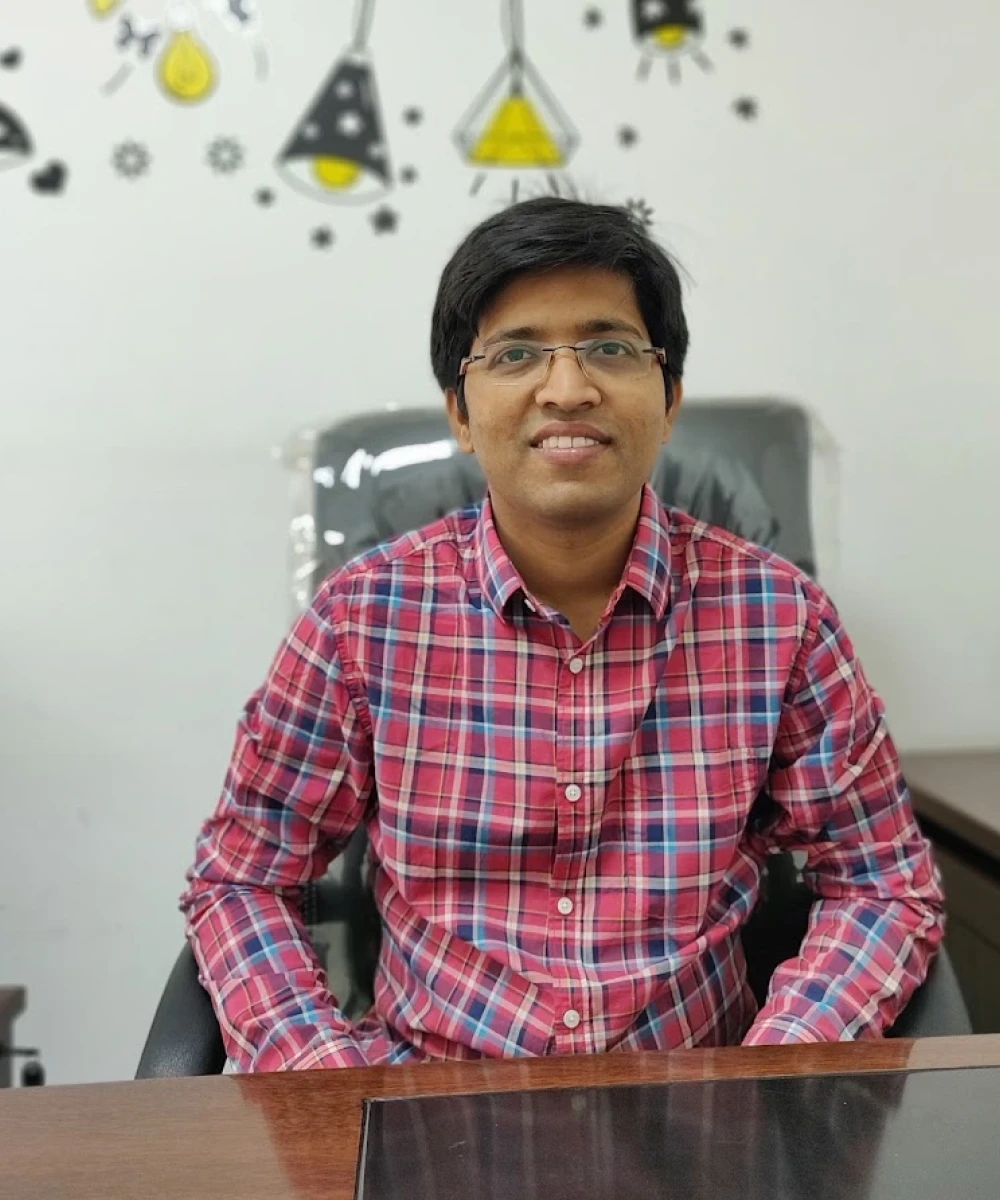
BDS, MDS · Orthodontist
Dr Shrikant completed BDS at Rural Dental College, Loni, and MDS in Orthodontics and Dentofacial Orthopaedics at M.G.V. Dental College, Nashik. He focuses on bite and alignment concerns.
His input is available when tooth position affects the plan.
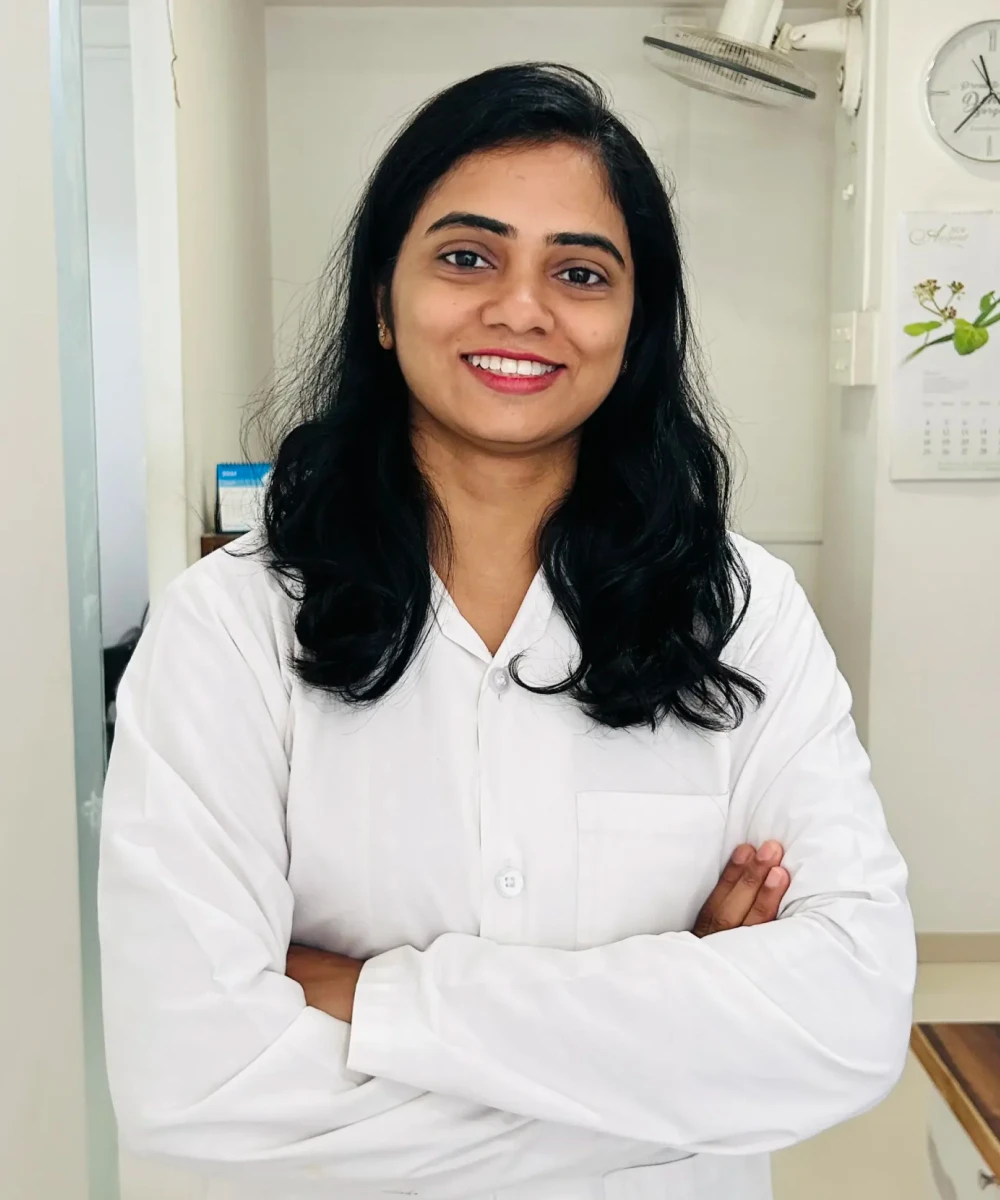
BDS, MDS · Endodontist
Dr Archana completed BDS at Rural Dental College, Loni, and MDS in Conservative Dentistry and Endodontics at SMBT Dental College, Sangamner. She received a Maharashtra University of Health Sciences gold medal and has taught as an assistant professor.
She assesses symptoms, tooth structure and restorative needs before recommending care.
The relevant dentist leads your plan, with coordinated support when needed.
“Professional experience. Dentist explained the process of cleaning, possible reasons behind tooth pain and guided well on next steps. The process of dental cleaning was also executed very well. The area is clean too.”
“My wife underwent root canal procedure at this clinic. She is very comfortable after the procedure. Dr Archana mam did her treatment.”
“Maam treated my mom really well. She listens every thing very patiently and made her feel comfortable before treating. Totally recommended.”
“Excellent work! I got my root canal treatment done here, and the entire process was absolutely smooth and transparent. Highly recommended!”
The rating below is the overall Google rating for the clinic, not a rating for Loose Teeth. These are 5-star Google reviews chosen for relevance to this page, shown as written. A longer review may be shortened at the end of a sentence, and the link opens the full review. Reviews describe individual experiences and do not predict the result of your treatment.
Find us in Alacrity Commercial Complex near Bitwise Terratower, Mohan Nagar, Baner.
Sai Multi Speciality Dental Clinic, Baner
Shop no 101, Alacrity Commercial Complex, near Bitwise Terratower, Mohan Nagar Co-Op Society, Baner, Pune, Maharashtra 411045, India
+91 70203 80193
WhatsApp +91 70203 80193
| Monday–Saturday | 10:00 am–1:00 pm 4:00 pm–9:00 pm |
|---|---|
| Sunday | Closed |
Please call before travelling on public holidays.
Call before travelling to confirm the schedule and any access requirements.
Sometimes mobility reduces after inflammation, trauma or bite factors are treated, but the outcome depends on remaining support and cause.
No. Trauma, infection, root fracture, bite overload and orthodontic movement can also cause mobility.
Only selected cases benefit. Splinting must accompany diagnosis and cause control, not replace them.
No. Retention depends on support, restorability, infection, fracture, function and response to initial care.
Seek prompt dental assessment, avoid manipulating it and follow instructions for stabilisation and monitoring.
A tooth loosened by a minor knock can firm up as the tissues heal, and a tooth loosened by bite stress can improve once the stress is reduced. A tooth loosened by gum disease does not tighten without treatment of the disease.
Choose soft foods, chew on the other side and avoid biting into hard or sticky items. Keep the area clean with gentle brushing, and see the dentist soon so the cause can be found.
An examination remains necessary even when your concern sounds similar to a common dental problem.
Tell us what you have noticed and whether the concern is routine, uncomfortable or urgent.
Bring current images and the proposed extraction or splinting plan. We can review periodontal support, fracture risk, vitality, bite forces, restorability and realistic prognosis.
We confirm appointment requests after checking availability.
Related care depends on the diagnosis, treatment sequence and long-term maintenance needs.
