Monitor the tooth
May suit: A healthy third molar with acceptable hygiene and review access. Timeline: Risk-based clinical and imaging review.
Wisdom tooth removal is considered when a third molar has repeated gum infection, unrestorable decay, damage to an adjacent tooth, cystic change or another diagnosed condition.
At Sai Multi Speciality Dental Clinic, Baner, we assess symptoms, eruption, cleaning access and imaging before discussing monitoring, treatment or removal. Complex position or proximity to important anatomy may require referral for oral-surgery care.
Clinically reviewed by Dr Archana Satpute and Dr Shrikant Gadakh, both dentists at the clinic. Last reviewed 16 October 2026.
Wisdom teeth that are healthy and not causing disease may be monitored. Removal is planned when the diagnosed benefit outweighs risks such as dry socket, infection and injury to nearby nerves or structures.
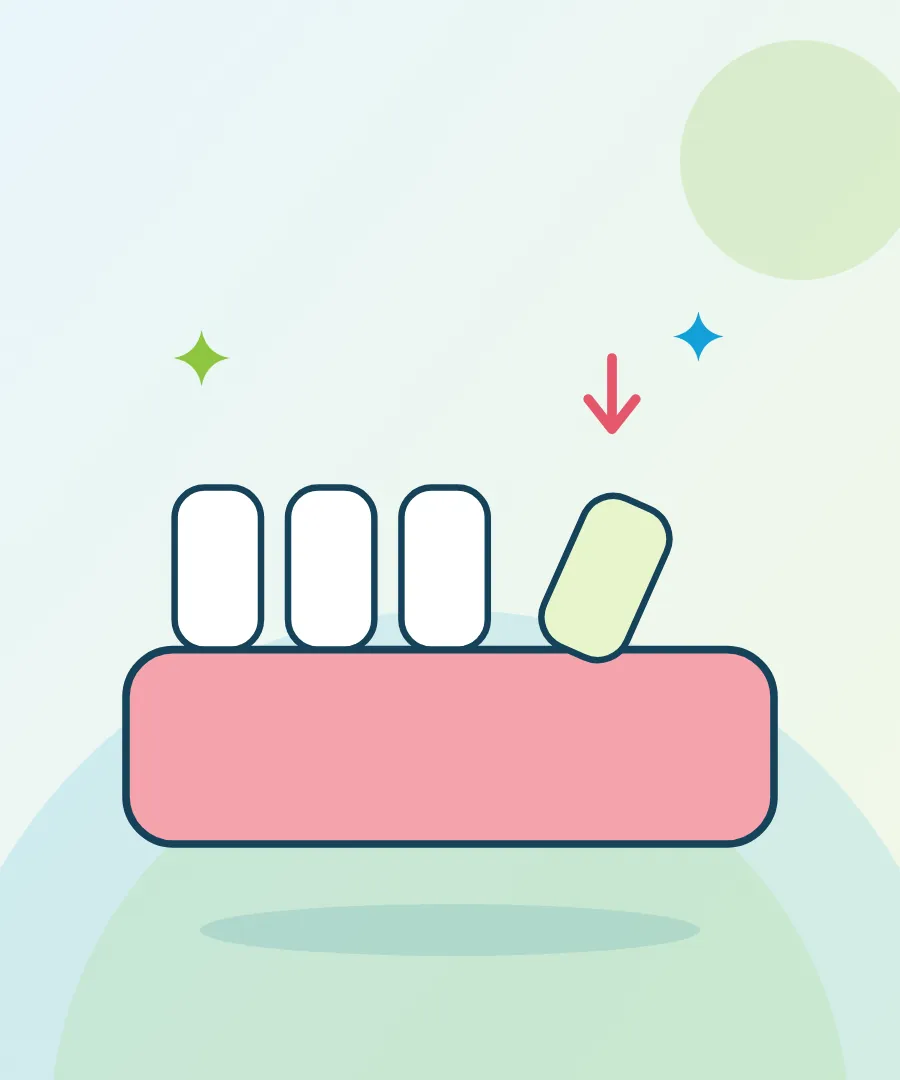
Wisdom teeth are the last molars and may erupt fully, partly or remain within gum or bone. Partial eruption can create a plaque-retentive area, while impaction can affect the tooth in front or surrounding tissues. [1]
The decision is not based on age alone. Symptoms, inflammation, decay, gum condition, pathology, hygiene access and anatomical risk are considered together.
A healthy wisdom tooth may be reviewed with hygiene advice rather than removed. Local treatment can sometimes settle an acute gum episode, but repeated or structurally driven disease may still lead to a removal discussion.
This treatment is also called wisdom teeth removal, third molar extraction or impacted wisdom tooth surgery. If you are looking for wisdom tooth removal in Baner, the dentist uses an X-ray to see how the tooth sits, how close it is to nerves and neighbouring teeth, and whether monitoring is a reasonable alternative to surgery.
The right treatment starts with identifying the condition and the least extensive suitable option.
Suitability depends on examination findings, not symptoms or appearance alone.
Limited eruption space, angulation and soft-tissue coverage can make some wisdom teeth difficult to clean. Yet impaction alone is not the same as disease. A defensible recommendation links removal to current pathology or a clearly explained individual risk. [2]
May suit: A healthy third molar with acceptable hygiene and review access. Timeline: Risk-based clinical and imaging review.
May suit: A symptomatic or diseased tooth with acceptable procedure risk. Timeline: Assessment, removal and recovery review as needed.
May suit: Complex impaction or close relationship to nerves, sinus or pathology. Timeline: Additional planning may include alternative surgical strategies.
Want to talk this through before you book? Our team can answer questions about wisdom tooth removal by phone or WhatsApp.
The condition, remaining support and long-term maintenance needs determine the appropriate option.
Confirm symptoms arise from the wisdom tooth and surrounding tissues.
Assess root form, depth, angulation and nearby structures.
Compare monitoring, removal, referral and material risks.
Use the planned technique, which may include sectioning or a surgical approach.
Check haemostasis and explain clot care and warning signs.
Care moves from diagnosis and planning to treatment, checks and maintenance.
Assessment and removal are often separate when imaging, consent or referral decisions are needed. The removal appointment length and review needs vary substantially between an erupted upper wisdom tooth and a deeply impacted lower one. We do not promise a fixed number of visits before examining the tooth.
Visit numbers depend on diagnosis, complexity, preliminary care and review needs.
Local anaesthetic is commonly used and the area is tested before treatment. Pressure and movement may be felt. Sedation or general anaesthesia is not assumed to be available at the clinic; when the procedure or anxiety requires another setting, referral options are discussed.
Tell us about anxiety, sensitivity, previous difficult dental experiences or medical concerns before care begins. We can explain each stage, agree on a stop signal and pause when clinically appropriate.
Comfort planning begins with knowing what you feel and agreeing how we communicate during care.
Avoid actions that disturb early socket healing.
Soreness, swelling and jaw stiffness should trend toward improvement.
They can increase healing problems and dry-socket risk.
Worsening pain, fever, bad taste, bleeding or altered sensation needs contact.
Follow the advice for your specific procedure and contact us when symptoms worsen instead of settling.
Risks can include pain, swelling, bruising, limited mouth opening, bleeding, infection, dry socket and damage to adjacent teeth. Lower wisdom-tooth surgery can affect nerves supplying feeling to the lip, chin or tongue; upper teeth may relate to the sinus. Individual consent must reflect the actual anatomy. [3]
Medical history, medicines, ability to tolerate care and the feasibility of long-term maintenance are considered before elective treatment.
Swelling, bruising and a sore jaw are common for several days. Less common problems include dry socket, infection, bleeding, injury to the neighbouring tooth, numbness of the lip, tongue or chin, a sinus opening for upper teeth and a stiff jaw. Call the clinic if pain grows after day three, swelling spreads, you have a fever or numbness persists. Go to a hospital emergency department for difficulty breathing or swallowing.
Not sure whether wisdom tooth removal applies to you? Call or message the clinic and we will explain the next step.
We recommend treatment only when the expected benefit and maintainability justify proceeding.
Describe previous gum flare-ups, swelling, bad taste, mouth-opening difficulty and medicines used. We examine the wisdom tooth and adjacent molar, review suitable imaging and explain observation, removal, referral and recovery.
Before you decide, we explain the likely benefits, material risks, alternatives and consequences of delay. You can take time to consider elective treatment.
Removal is recommended only after the dentist has confirmed why retaining the tooth is less appropriate than extracting it. Assessment considers restorability, infection, cracks, gum and bone support, tooth position and nearby structures. Filling, root canal treatment, periodontal care, monitoring or referral may remain reasonable alternatives.
Imaging is selected to assess roots, surrounding bone, nearby teeth, the maxillary sinus or the lower-jaw nerve canal. More detailed imaging or referral may be advised when anatomy or complexity would change the safer approach. Tell us about health conditions, pregnancy, allergies, tobacco use and every medicine. Do not stop blood thinners without advice from the prescribing clinician.
The socket’s blood clot is part of healing. Follow the written instructions about bleeding, rinsing, cleaning, eating and activity. Smoking or vaping can impair healing. Increasing pain after initial improvement, bad taste, fever, pus, worsening swelling, persistent altered sensation or bleeding that does not settle needs prompt contact.
After an adult tooth is removed, choices may include accepting the space, a bridge, a removable tooth replacement, orthodontic space management or an implant after healing. Replacement is a separate decision based on tooth position, bite and oral health.
The first visit establishes the diagnosis, priorities and a treatment plan specific to you.
Your care is planned by the dentist whose training matches the treatment, with coordinated support when more than one speciality is involved.
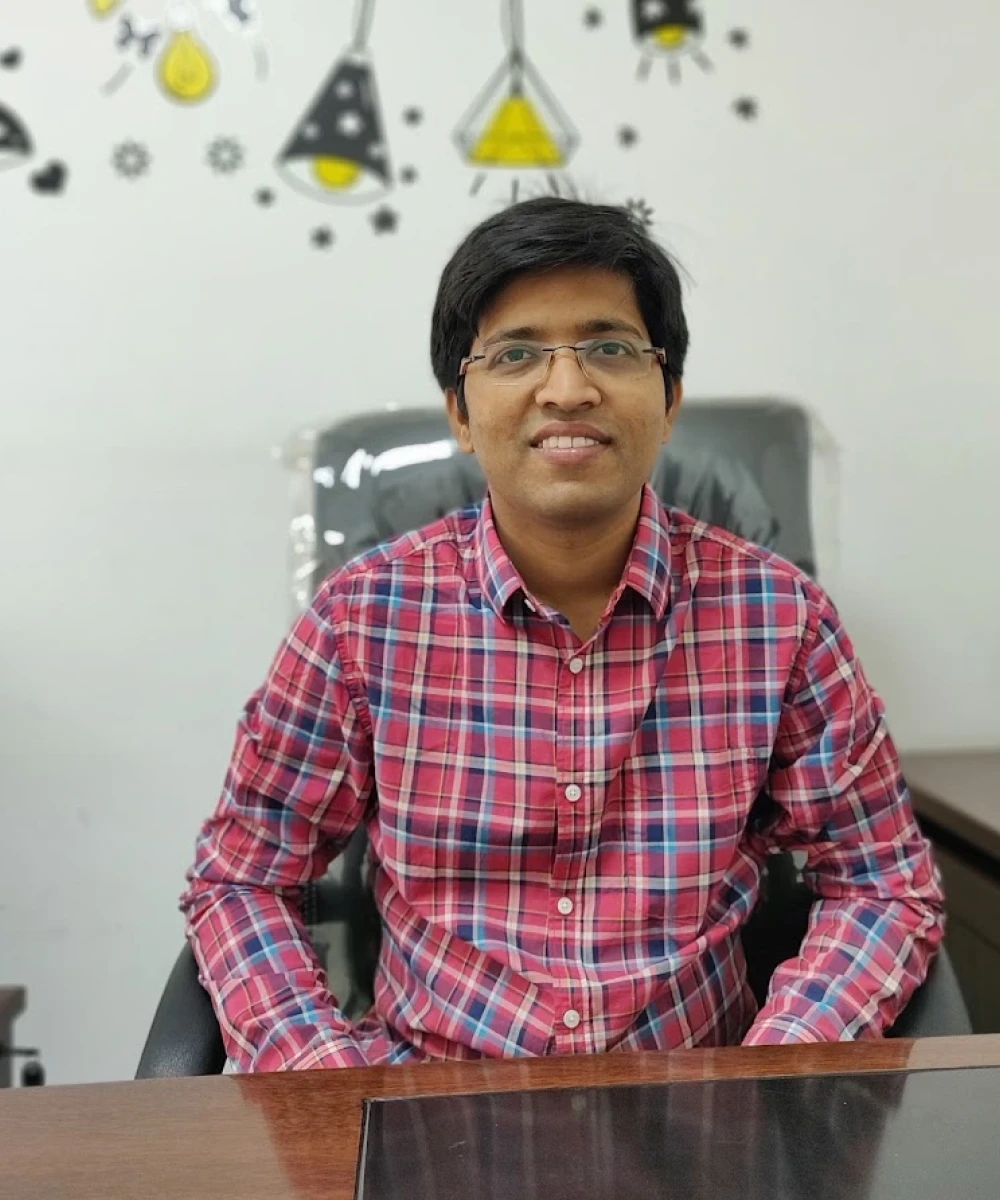
BDS, MDS · Orthodontist
Dr Shrikant completed BDS at Rural Dental College, Loni, and MDS in Orthodontics and Dentofacial Orthopaedics at M.G.V. Dental College, Nashik. He focuses on bite and alignment concerns.
His input is available when tooth position affects the plan.
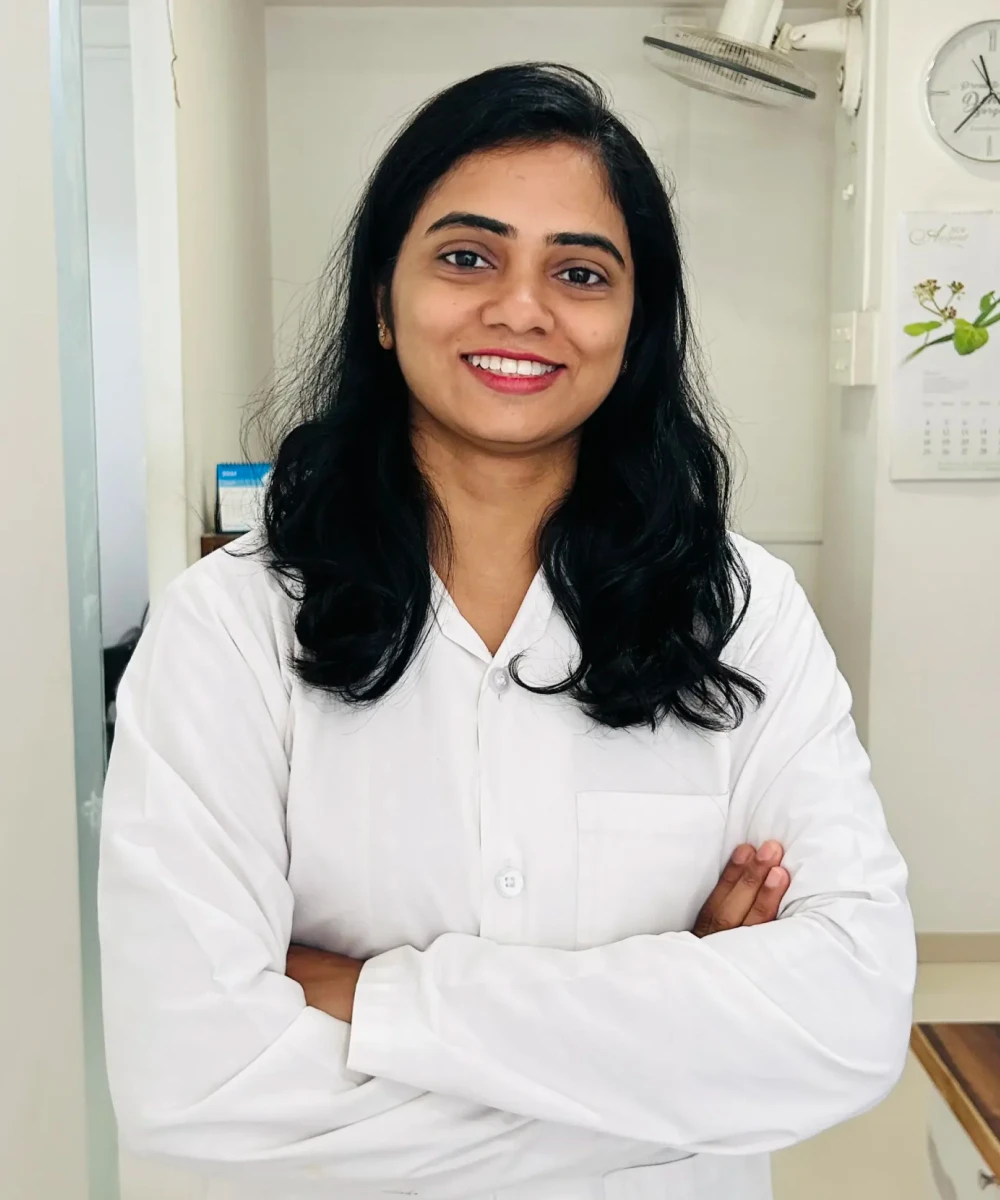
BDS, MDS · Endodontist
Dr Archana completed BDS at Rural Dental College, Loni, and MDS in Conservative Dentistry and Endodontics at SMBT Dental College, Sangamner. She received a Maharashtra University of Health Sciences gold medal and has taught as an assistant professor.
She assesses symptoms, tooth structure and restorative needs before recommending care.
The relevant dentist leads your plan, with coordinated support when needed.
“Nice behaviour of Dr Archana mam. Did my tooth extraction and removable tooth placement. Happy with treatment. Will recommend to all.”
“I recently visited clinic. They have treated very well. Thanks Dr. Archana and staff for the wonderful care.”
“I consulted Dr. Archana for my wisdom tooth extraction, and the entire experience was excellent. …”
“It was a pleasure talking to you, Dr. Archana. The staff is also very nice. The treatment is also good”
The rating below is the overall Google rating for the clinic, not a rating for Wisdom Tooth Removal. These are 5-star Google reviews chosen for relevance to this page, shown as written. A longer review may be shortened at the end of a sentence, and the link opens the full review. Reviews describe individual experiences and do not predict the result of your treatment.
Find us in Alacrity Commercial Complex near Bitwise Terratower, Mohan Nagar, Baner.
Sai Multi Speciality Dental Clinic, Baner
Shop no 101, Alacrity Commercial Complex, near Bitwise Terratower, Mohan Nagar Co-Op Society, Baner, Pune, Maharashtra 411045, India
+91 70203 80193
WhatsApp +91 70203 80193
| Monday–Saturday | 10:00 am–1:00 pm 4:00 pm–9:00 pm |
|---|---|
| Sunday | Closed |
Please call before travelling on public holidays.
Call before travelling to confirm the schedule and any access requirements.
No. A healthy wisdom tooth may be monitored when the expected benefit of removal does not justify its risks.
It is a third molar that has not erupted normally because of its position, available space, nearby teeth, gum or bone.
Lower-tooth surgery can affect nearby sensory nerves, so temporary or lasting altered feeling is discussed according to imaging and position.
Increasing pain with bad taste may indicate dry socket or infection and should be assessed.
Sometimes, but the decision depends on diagnosis, difficulty, recovery burden, anaesthetic plan and informed preference.
Many people rest for one to three days, depending on how many teeth were removed and how difficult they were. Plan soft food, extra sleep with your head raised and a light schedule. The dentist gives a plan that fits your case.
Sometimes. A wisdom tooth that has erupted, is cleanable and causes no pain or infection may be left and reviewed. Repeated infection, decay, damage to the neighbouring tooth or cysts are common reasons for advising removal.
An examination remains necessary even when your concern sounds similar to a common dental problem.
Tell us what you have noticed and whether the concern is routine, uncomfortable or urgent.
Bring the panoramic or other dental images and prior advice. We can review the clinical indication, adjacent-tooth health, nerve or sinus relationship, monitoring option and whether further assessment is appropriate.
We confirm appointment requests after checking availability.
Related care depends on the diagnosis, treatment sequence and long-term maintenance needs.
