Comprehensive aligner treatment
May suit: For suitable multi-tooth alignment and bite objectives. Timeline: Many sequential trays with periodic reviews and possible refinements.
Clear aligners are a sequence of removable plastic trays designed to move teeth in planned stages. They must be worn for the prescribed daily time and removed for eating, drinking anything other than water and oral hygiene.
At Sai Multi Speciality Dental Clinic, Baner, Dr Shrikant Gadakh assesses the bite, roots, gums and movements before deciding whether aligners can meet the objective or fixed braces would provide more reliable control.
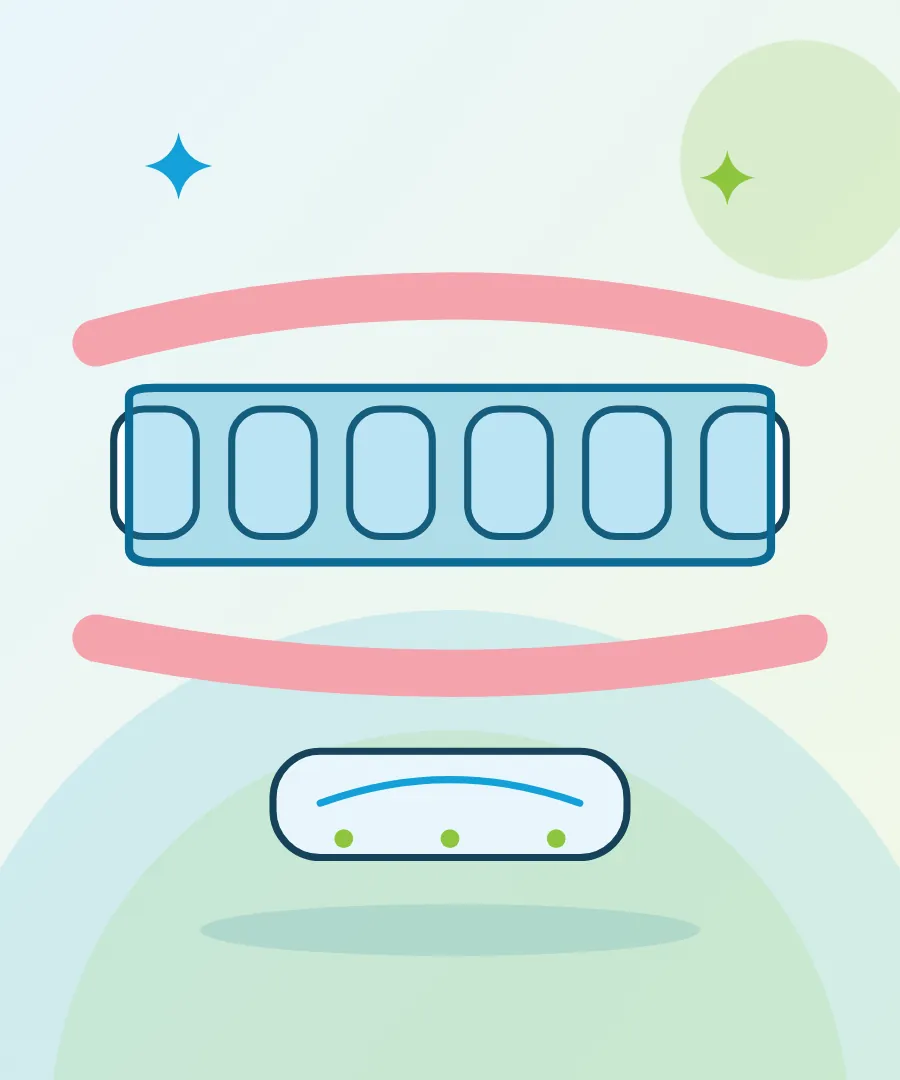
Clinically reviewed by Dr Archana Satpute and Dr Shrikant Gadakh, both dentists at the clinic. Last reviewed 16 October 2026.
Clear aligners can treat selected crowding, spacing and bite concerns through a prescribed tray sequence. Success depends on diagnosis, daily wear, attachment care, review visits and refinements when movement does not track as planned.
Each aligner is shaped slightly differently to guide selected teeth towards planned positions. Tooth-coloured attachments, elastics or other auxiliaries may be needed, so treatment is not necessarily without attachments or visually undetectable. [1]
Aligners can be removed for meals and brushing, but this benefit creates a responsibility to wear them consistently. A digital simulation is a planning tool rather than a promise of the exact biological result.
Aligners simplify eating and brushing but depend on disciplined wear and tray handling. Fixed braces remain attached and may provide different control for some movements. Complexity, not appearance alone, should determine the system.
People also call this treatment invisible braces, aligner trays, clear teeth straighteners or removable braces. If you are looking for clear aligners in Baner, the dentist checks your teeth, gums and bite, explains which problems aligners can treat and which need braces, and discusses the 20 to 22 hours of daily wear that aligner treatment depends on.
The right treatment starts with identifying the condition and the least extensive suitable option.
Suitability depends on examination findings, not symptoms or appearance alone.
Aligner planning divides tooth movement into stages, but teeth do not always follow the digital plan exactly. Tracking is checked clinically. Additional scans and refinement trays may be needed, and interproximal reduction or extraction may be considered only when justified by records. [2]
May suit: For suitable multi-tooth alignment and bite objectives. Timeline: Many sequential trays with periodic reviews and possible refinements.
May suit: For selected small movements with a restricted objective. Timeline: A shorter sequence may be possible after diagnosis.
May suit: When continuous wear or more direct mechanical control better fits the case. Timeline: Duration depends on complexity and cooperation.
Want to talk this through before you book? Our team can answer questions about clear aligners by phone or WhatsApp.
The condition, remaining support and long-term maintenance needs determine the appropriate option.
We examine alignment, bite, roots, gums and restorative conditions.
Scans, photographs and indicated X-rays support movement planning.
Objectives, attachments, space creation, limitations and wear are discussed.
Aligners are worn and changed according to instructions with tracking reviews.
Additional trays may finish movements before retainers are fitted.
Care moves from diagnosis and planning to treatment, checks and maintenance.
Aligner treatment includes assessment, records, plan review, tray delivery and regular monitoring. Review intervals vary. Treatment may extend when wear is inadequate, trays are lost, teeth stop tracking or refinement is needed.
Visit numbers depend on diagnosis, complexity, preliminary care and review needs.
Pressure is expected when a new tray is inserted, and edges or attachments can initially irritate soft tissues. Aligners can cause discomfort. Persistent sharpness, severe pain or a tray that will not seat should be reviewed.
Tell us about anxiety, sensitivity, previous difficult dental experiences or medical concerns before care begins. We can explain each stage, agree on a stop signal and pause when clinically appropriate.
Comfort planning begins with knowing what you feel and agreeing how we communicate during care.
Remove trays only for the situations explained by the orthodontist.
Brush before reinserting and use the advised cool-water cleaning method.
Store aligners safely rather than wrapping them in tissue.
Retain recent trays when instructed in case the active one is lost.
Follow the advice for your specific procedure and contact us when symptoms worsen instead of settling.
Clear aligners are not suitable for every movement and do not remove orthodontic risks. Attachments may be visible, speech can change temporarily and trays can stain or distort. Root changes, gum problems and relapse remain possible, particularly without monitoring and retention. [3]
Medical history, medicines, ability to tolerate care and the feasibility of long-term maintenance are considered before elective treatment.
Tooth soreness, a lisp for a few days and mild gum irritation are common. Less common problems include attachments coming off, tooth decay if trays are worn over poor cleaning, gum recession, root shortening, a bite that needs refinement and relapse if retainers are not worn. Call the clinic for a cracked tray, a damaged attachment, persistent pain or a tray that no longer fits.
Not sure whether clear aligners applies to you? Call or message the clinic and we will explain the next step.
We recommend treatment only when the expected benefit and maintainability justify proceeding.
Dr Shrikant evaluates whether a removable system can control the required movement and bite. We discuss wear, attachments, elastics, space creation, refinements, alternatives and retention before a digital plan is commissioned.
Before you decide, we explain the likely benefits, material risks, alternatives and consequences of delay. You can take time to consider elective treatment.
The first visit establishes the diagnosis, priorities and a treatment plan specific to you.
Your care is planned by the dentist whose training matches the treatment, with coordinated support when more than one speciality is involved.
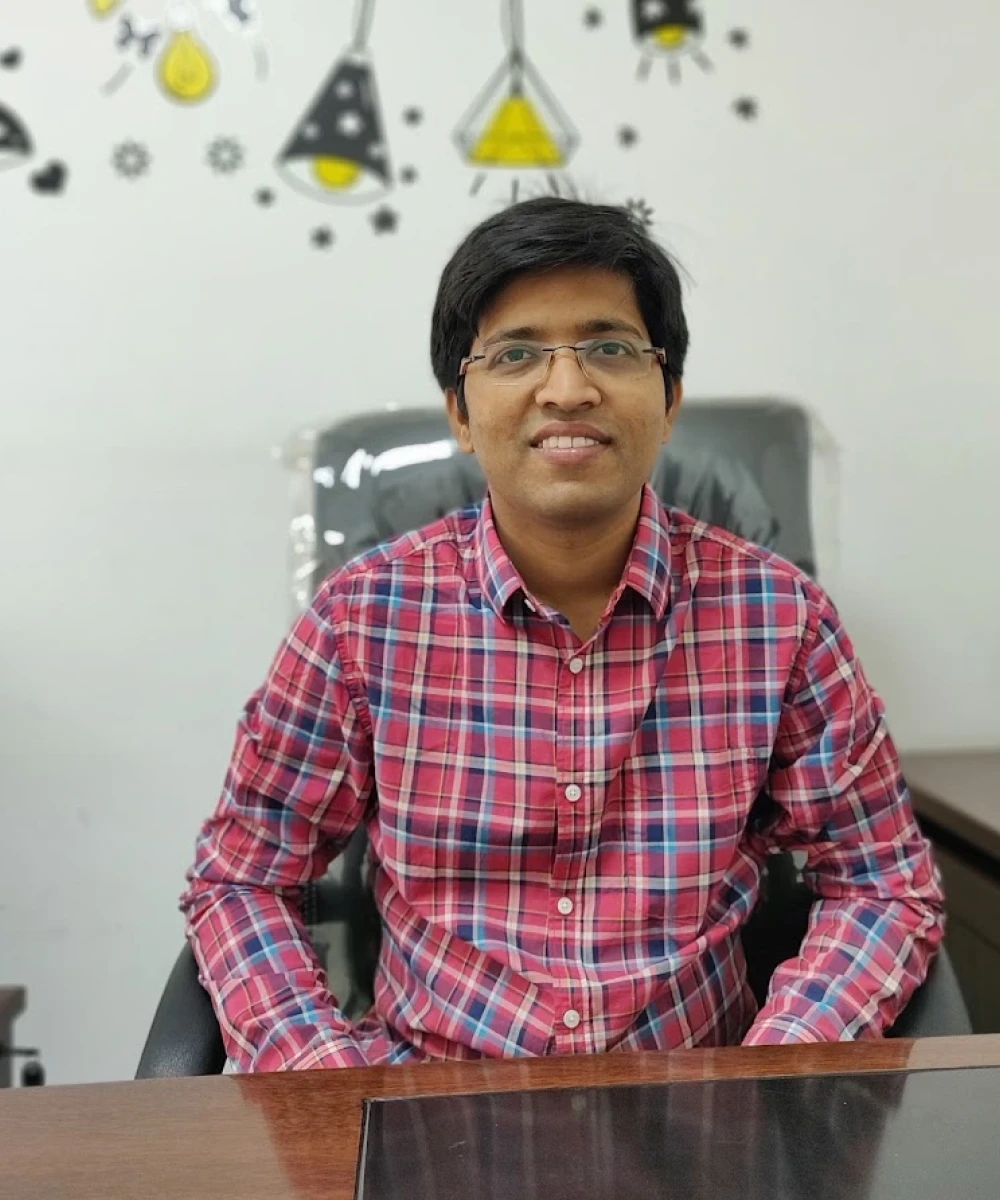
BDS, MDS · Orthodontist
Dr Shrikant completed BDS at Rural Dental College, Loni, and MDS in Orthodontics and Dentofacial Orthopaedics at M.G.V. Dental College, Nashik. He focuses on bite and alignment concerns.
His input is available when tooth position affects the plan.
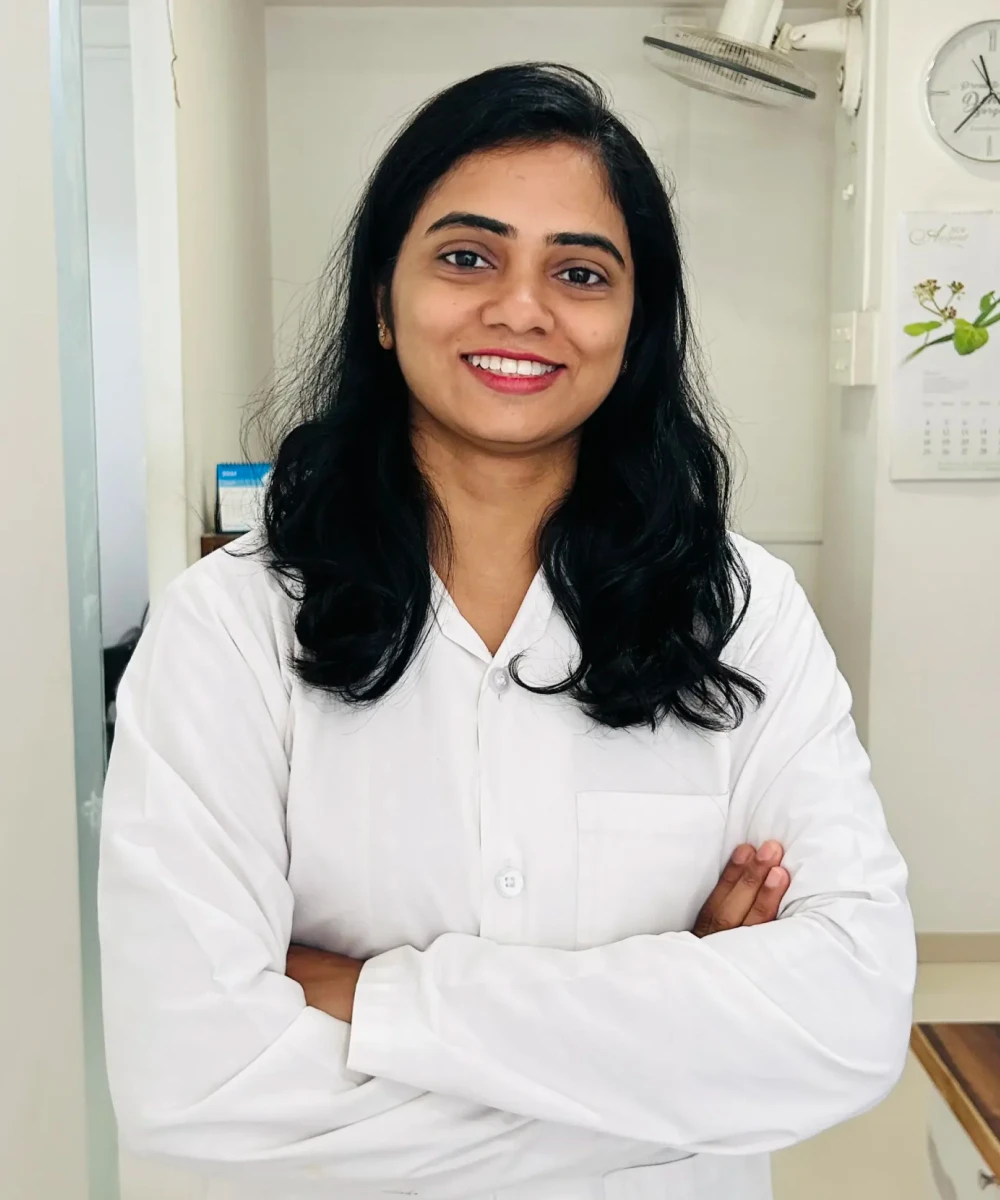
BDS, MDS · Endodontist
Dr Archana completed BDS at Rural Dental College, Loni, and MDS in Conservative Dentistry and Endodontics at SMBT Dental College, Sangamner. She received a Maharashtra University of Health Sciences gold medal and has taught as an assistant professor.
She assesses symptoms, tooth structure and restorative needs before recommending care.
The relevant dentist leads your plan, with coordinated support when needed.
“Doing braces treatment here, treatment going nicely,my teeth are in good shape now ,smile better now in short time thank you Dr Shrikant Sir”
“A big thank you to Dr. Shrikant, Dr. Archana, and the entire team for their dedication. Highly recommend Sai Multispeciality Dental Clinic to anyone considering braces, especially if you have a complicated case!”
“Hello I have aligner treatment here for spacing in upper teeth after 8 months all space are close. …”
“Took braces treatment here! Dr. Shrikant was very patient and skilled at his work. The clinic is well managed and the results were really good. Highly trust them for any dental work.”
The rating below is the overall Google rating for the clinic, not a rating for Clear Aligners. These are 5-star Google reviews chosen for relevance to this page, shown as written. A longer review may be shortened at the end of a sentence, and the link opens the full review. Reviews describe individual experiences and do not predict the result of your treatment.
Find us in Alacrity Commercial Complex near Bitwise Terratower, Mohan Nagar, Baner.
Sai Multi Speciality Dental Clinic, Baner
Shop no 101, Alacrity Commercial Complex, near Bitwise Terratower, Mohan Nagar Co-Op Society, Baner, Pune, Maharashtra 411045, India
+91 70203 80193
WhatsApp +91 70203 80193
| Monday–Saturday | 10:00 am–1:00 pm 4:00 pm–9:00 pm |
|---|---|
| Sunday | Closed |
Please call before travelling on public holidays.
Call before travelling to confirm the schedule and any access requirements.
Wear time is prescribed for the selected system and case and is commonly near full time. Remove them as instructed for meals, drinks and cleaning.
Aligners are normally removed for food and for drinks other than water. Follow the specific instructions given for your trays.
Possibly. Small tooth-coloured attachments or elastics may provide the force and control needed for planned movements.
It is an additional planned series based on new records when further movement is needed or teeth have not tracked as expected.
Yes. Removable treatment does not prevent relapse, so retainers and continuing checks are required.
Teeth move only while trays are worn, so shorter wear can delay progress and cause trays to stop fitting. The dentist may need to extend treatment or restart with new trays, which is why the daily wear target matters.
Rinse them after wearing, brush gently with a soft brush and lukewarm water, and keep them in their case when removed. Avoid hot water that can warp them, and brush your teeth before putting the trays back so food is not trapped.
An examination remains necessary even when your concern sounds similar to a common dental problem.
Tell us what you have noticed and whether the concern is routine, uncomfortable or urgent.
Bring the digital proposal, scans and stated tray count. We can review the diagnosis, planned movements, attachments, extraction or enamel-reduction reasoning, monitoring and what happens if tracking differs from the simulation.
We confirm appointment requests after checking availability.
Related care depends on the diagnosis, treatment sequence and long-term maintenance needs.
