Laser-assisted non-surgical care
May suit: For selected periodontal protocols alongside required debridement. Timeline: Treatment and reassessment visits.
Laser gum treatment uses selected laser wavelengths in some periodontal procedures. A laser is a tool, not a diagnosis, and it has not been shown to produce universally superior results to appropriate conventional non-surgical care.
At Sai Multi Speciality Dental Clinic, Baner, we first establish the periodontal problem and explain whether a laser has a defined role, whether conventional treatment is appropriate or whether coordination with another clinician is needed.
Clinically reviewed by Dr Archana Satpute and Dr Shrikant Gadakh, both dentists at the clinic. Last reviewed 16 October 2026.
Lasers may assist selected gum procedures, but outcomes depend on diagnosis, operator training, wavelength, power and complete periodontal care. They do not replace home hygiene or maintenance.
Different lasers interact with soft tissue, pigments, calculus and water differently. The name “laser” alone does not reveal what is being treated or whether root debridement is also required. [1]
Professional guidance notes similar results between some laser approaches and scaling and root planing alone. Inappropriate wavelength or power can damage periodontal tissues.
Conventional instruments, ultrasonic devices and surgery remain appropriate in many cases. The meaningful comparison is the complete protocol, not laser versus no laser as a marketing label.
Patients also search for this as dental laser gum treatment, laser periodontal therapy or laser gum surgery. If you are looking for laser gum treatment in Baner, the dentist first explains the gum problem and whether a laser has a defined role, whether standard cleaning or surgery is the better route, and what the research says about each.
The right treatment starts with identifying the condition and the least extensive suitable option.
Suitability depends on examination findings, not symptoms or appearance alone.
Energy delivered to tissue varies by wavelength, pulse, power and contact technique. Safety includes eye protection and control of heat. These details matter more than a generic claim that treatment is modern or minimally invasive. [2]
May suit: For selected periodontal protocols alongside required debridement. Timeline: Treatment and reassessment visits.
May suit: For a defined cutting or contouring indication. Timeline: Procedure and healing review.
May suit: When scaling, root planing or surgery is the appropriate standard approach. Timeline: Timing follows disease severity.
Want to talk this through before you book? Our team can answer questions about laser gum treatment by phone or WhatsApp.
The condition, remaining support and long-term maintenance needs determine the appropriate option.
Chart gums and review bone and risks.
Specify the tissue target and alternative.
Use correct settings and protective measures.
Include debridement or surgery as indicated.
Measure bleeding and pockets after healing.
Care moves from diagnosis and planning to treatment, checks and maintenance.
The number of visits depends on the underlying periodontal treatment, not the presence of a laser. Reassessment must use clinical measurements.
Visit numbers depend on diagnosis, complexity, preliminary care and review needs.
No procedure should be described that way. Anaesthetic needs, tenderness and healing depend on the intervention. Heat injury is possible with unsuitable settings.
Tell us about anxiety, sensitivity, previous difficult dental experiences or medical concerns before care begins. We can explain each stage, agree on a stop signal and pause when clinically appropriate.
Comfort planning begins with knowing what you feel and agreeing how we communicate during care.
Cleaning and diet depend on the treated tissue.
A laser does not replace daily cleaning.
Call for swelling, fever, bleeding or severe pain.
Judge response with periodontal findings.
Follow the advice for your specific procedure and contact us when symptoms worsen instead of settling.
Laser use does not ensure shorter healing, regeneration, absence of anaesthetic or improved outcome. Equipment misuse can damage tissue. Evidence and suitability vary by procedure and device. [3]
Medical history, medicines, ability to tolerate care and the feasibility of long-term maintenance are considered before elective treatment.
Mild soreness, swelling and sensitivity are common after gum treatment. Lasers can cause thermal injury to the gum or tooth if used incorrectly, and results depend on the underlying gum disease being controlled. Evidence for lasers as a stand-alone treatment is limited, so the dentist explains where they may add value. Call the clinic if pain increases, swelling spreads or the gum looks white or sore after several days.
Not sure whether laser gum treatment applies to you? Call or message the clinic and we will explain the next step.
We recommend treatment only when the expected benefit and maintainability justify proceeding.
We explain the actual diagnosis and complete protocol before discussing the device, including conventional alternatives and measurable goals.
Before you decide, we explain the likely benefits, material risks, alternatives and consequences of delay. You can take time to consider elective treatment.
Periodontal decisions are based on measurements, not appearance alone. We record plaque, bleeding on probing, pocket depth, recession, tooth mobility and furcation involvement where relevant. Suitable radiographs help assess supporting bone. These findings distinguish superficial inflammation from attachment loss and provide a baseline for comparison.
Home care is part of active treatment. Brushing must reach the gum margin, while an appropriately sized interdental brush or another advised aid cleans between teeth. Technique is demonstrated for your anatomy. Bleeding during early cleaning does not automatically mean the area should be avoided, but persistent or heavy bleeding requires reassessment.
Risk review includes tobacco exposure, diabetes control, dry mouth, medicines, pregnancy, previous periodontal treatment and the ability to attend maintenance. These factors can affect inflammation, healing and recurrence. Prescribed medicines should never be stopped or changed solely because gums bleed without advice from the prescriber.
Initial therapy is followed by healing time and objective reassessment. Reduced bleeding and shallower pockets can indicate improvement, while persistent deep sites, suppuration or mobility may require additional treatment or referral. A procedure is judged by whether measurable periodontal health improves safely, not by how modern it sounds.
As inflammation resolves, gums can shrink and teeth may look longer. Spaces, exposed roots or sensitivity can become more noticeable even when disease control is improving. We discuss this before treatment so a health gain is not mistaken for damage caused by cleaning. Appearance concerns can be reviewed after tissues stabilise.
Periodontal maintenance is continuing care rather than an occasional polish. The interval is based on disease history, residual pockets, plaque control and risk factors. Maintenance includes updated measurements, disruption of deposits and reinforcement of home technique, helping identify recurrence before major symptoms develop.
The first visit establishes the diagnosis, priorities and a treatment plan specific to you.
Your care is planned by the dentist whose training matches the treatment, with coordinated support when more than one speciality is involved.
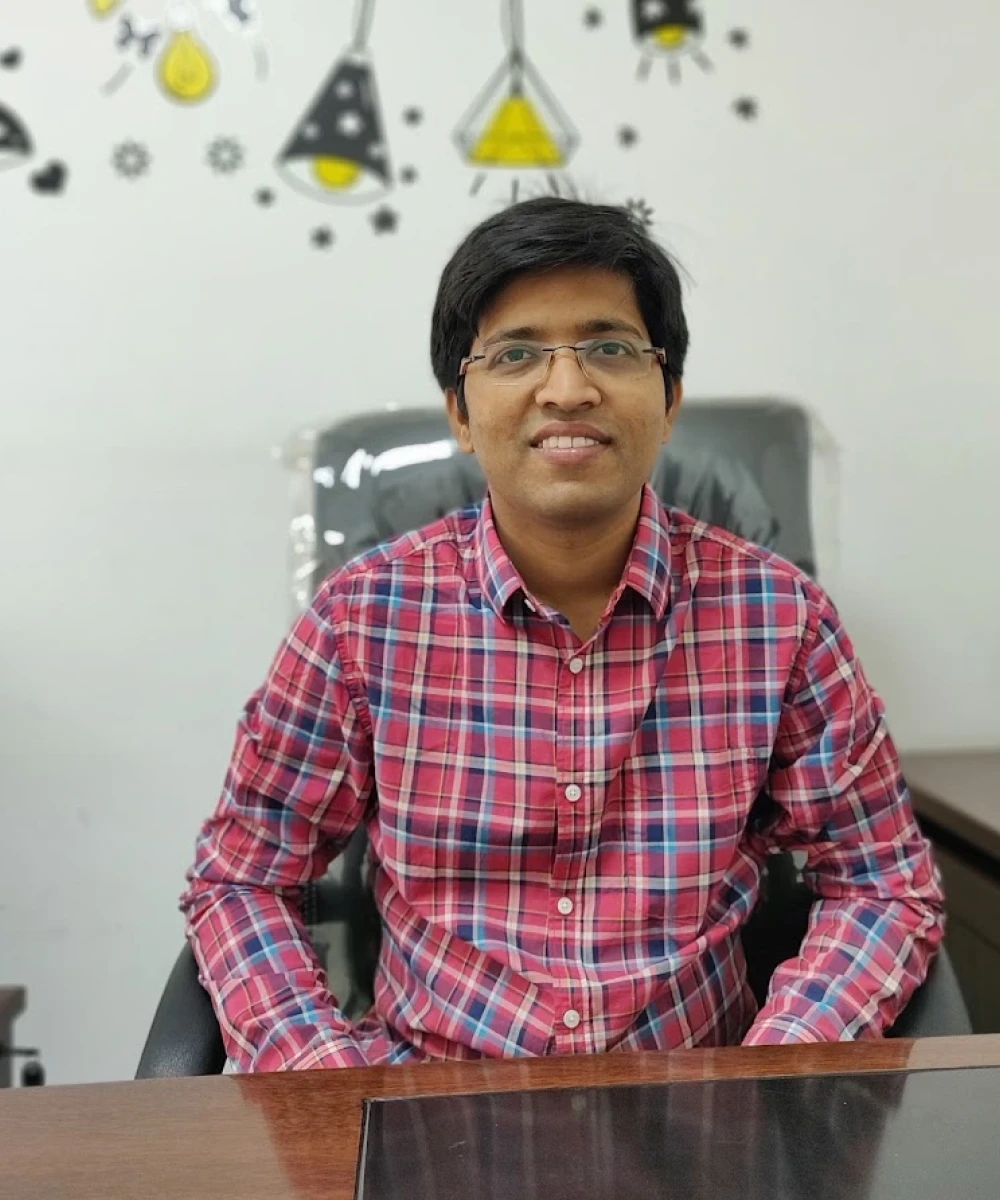
BDS, MDS · Orthodontist
Dr Shrikant completed BDS at Rural Dental College, Loni, and MDS in Orthodontics and Dentofacial Orthopaedics at M.G.V. Dental College, Nashik. He focuses on bite and alignment concerns.
His input is available when tooth position affects the plan.
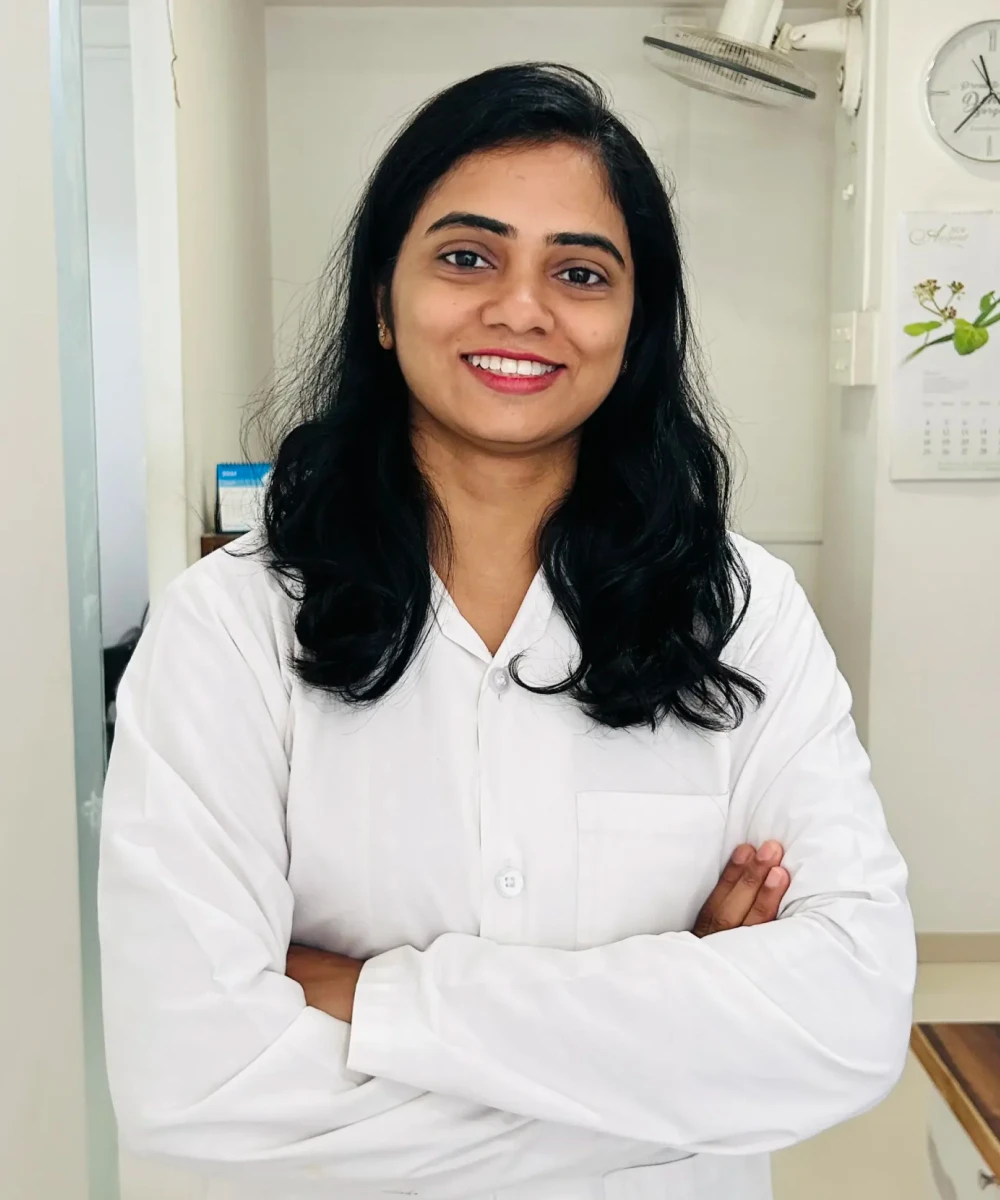
BDS, MDS · Endodontist
Dr Archana completed BDS at Rural Dental College, Loni, and MDS in Conservative Dentistry and Endodontics at SMBT Dental College, Sangamner. She received a Maharashtra University of Health Sciences gold medal and has taught as an assistant professor.
She assesses symptoms, tooth structure and restorative needs before recommending care.
The relevant dentist leads your plan, with coordinated support when needed.
“Was quite anxious going in, but she explained everything well and made the whole cleaning process very comfortable. Really appreciate the care. Thank you team.”
“Very good and professional service. We did tooth cleaning and Dr Archana was very professional and helped us immensely. Definitely recommended.”
“The Doctor and entire staff is professional, caring. That make me comfortable throughout the entire process. My teeth align properly as I imagine. Thank you sai multi speciality dental clinic.”
“I went for teeth cleaning appointment it was done quite well .Ian glad as no sentiveness later on.”
The rating below is the overall Google rating for the clinic, not a rating for Laser Gum Treatment. These are 5-star Google reviews chosen for relevance to this page, shown as written. A longer review may be shortened at the end of a sentence, and the link opens the full review. Reviews describe individual experiences and do not predict the result of your treatment.
Find us in Alacrity Commercial Complex near Bitwise Terratower, Mohan Nagar, Baner.
Sai Multi Speciality Dental Clinic, Baner
Shop no 101, Alacrity Commercial Complex, near Bitwise Terratower, Mohan Nagar Co-Op Society, Baner, Pune, Maharashtra 411045, India
+91 70203 80193
WhatsApp +91 70203 80193
| Monday–Saturday | 10:00 am–1:00 pm 4:00 pm–9:00 pm |
|---|---|
| Sunday | Closed |
Please call before travelling on public holidays.
Call before travelling to confirm the schedule and any access requirements.
Not universally. Controlled studies have found similar results for some laser approaches and scaling and root planing alone.
The complete protocol must address plaque and calculus; a laser should not be assumed to replace mechanical debridement.
No. Sensation and anaesthetic needs vary with the procedure and individual.
A device alone cannot promise regeneration. Defect anatomy and the full regenerative protocol determine whether it is considered.
No. Wavelengths, power levels and tissue interactions differ, and inappropriate use can harm tissue.
No. Lasers are used for selected tasks, such as reshaping gum tissue or cleaning in pockets alongside conventional care. Many gum problems are managed well with standard scaling and good home cleaning, and the dentist explains when a laser might help.
Often yes, particularly for deeper pockets, though the dentist decides based on the task. You are told what to expect and can ask for a pause at any point.
An examination remains necessary even when your concern sounds similar to a common dental problem.
Tell us what you have noticed and whether the concern is routine, uncomfortable or urgent.
Bring the device name and proposed protocol so the wavelength, role, evidence, debridement and follow-up can be reviewed.
We confirm appointment requests after checking availability.
Related care depends on the diagnosis, treatment sequence and long-term maintenance needs.
