Resin-based sealant
May suit: A suitable surface where reliable moisture control is possible. Timeline: Placement in one visit, followed by periodic checks.
Pit and fissure sealants are thin protective materials placed in selected grooves of back teeth. They can reduce the chance that food and plaque remain in deep surfaces that are difficult to clean with a toothbrush.
At Sai Multi Speciality Dental Clinic, Baner, we first examine whether a tooth is sound, has an early non-cavitated lesion, or needs a filling instead. Sealants support prevention but do not replace fluoride toothpaste, sensible sugar frequency or regular review.
Clinically reviewed by Dr Archana Satpute and Dr Shrikant Gadakh, both dentists at the clinic. Last reviewed 16 October 2026.
A sealant flows into cleaned chewing-surface grooves and hardens into a protective layer. Suitability depends on the tooth surface, moisture control, decay status and individual risk.
Back teeth often have narrow pits and fissures where plaque can remain even with careful brushing. A sealant forms a physical barrier over a selected surface to make those grooves less retentive. [1]
The dentist assesses eruption, visibility, dryness and signs of decay. A clearly cavitated lesion usually needs a different restorative approach, while a sound or selected non-cavitated surface may be suitable for sealing.
Patients also search for this as fissure sealants, tooth sealants, dental sealants or sealing grooves on back teeth. If you are looking for pit and fissure sealants in Baner, the dentist checks the deep grooves of the back teeth, explains how a thin plastic coating protects them from decay and checks for early decay before sealing.
The right treatment starts with identifying the condition and the least extensive suitable option.
Suitability depends on examination findings, not symptoms or appearance alone.
Sealants may be recommended when anatomy and caries risk make a chewing surface vulnerable. The decision is tooth-specific rather than a routine coating for every molar, and it should be reviewed as eruption and risk change. [2]
May suit: A suitable surface where reliable moisture control is possible. Timeline: Placement in one visit, followed by periodic checks.
May suit: Selected situations where material properties aid temporary or transitional protection. Timeline: Placement and closer retention review as indicated.
May suit: A surface better managed with observation, prevention or a filling. Timeline: Recall or restorative visits follow the diagnosis.
Want to talk this through before you book? Our team can answer questions about pit and fissure sealants by phone or WhatsApp.
The condition, remaining support and long-term maintenance needs determine the appropriate option.
Review disease history, eruption and the individual groove.
Remove plaque and debris without unnecessary tooth removal.
Control saliva because contamination can weaken bonding.
Apply the selected sealant and harden it with a curing light or allow it to set.
Confirm coverage and make sure the material does not feel high.
Care moves from diagnosis and planning to treatment, checks and maintenance.
Assessment and placement may be completed in one appointment when the tooth is suitable and cooperation allows. A separate visit may be needed if decay diagnosis, cleaning, behaviour support or another treatment takes priority. Sealants are checked during future examinations and repaired or replaced when clinically indicated.
Visit numbers depend on diagnosis, complexity, preliminary care and review needs.
Placement usually involves cleaning, drying and applying material to the outer surface, so local anaesthetic is not commonly needed. Holding the mouth open and keeping a tooth dry may feel tiring. Tell us if the child needs breaks or a more gradual visit.
Tell us about anxiety, sensitivity, previous difficult dental experiences or medical concerns before care begins. We can explain each stage, agree on a stop signal and pause when clinically appropriate.
Comfort planning begins with knowing what you feel and agreeing how we communicate during care.
Contact us if the tooth continues to feel unusually high.
Clean twice daily with fluoride toothpaste.
Sealants do not protect every tooth surface.
A worn, lost or partly retained sealant may need attention.
Follow the advice for your specific procedure and contact us when symptoms worsen instead of settling.
A sealant can wear, chip or detach and cannot prevent all decay. Disease may develop on unsealed surfaces or around a compromised margin. Poor isolation can reduce retention, and a tooth with deeper disease needs diagnosis and treatment rather than simply being covered. [3]
Medical history, medicines, ability to tolerate care and the feasibility of long-term maintenance are considered before elective treatment.
Sealants are quick and generally well tolerated, but they can chip or wear and may need repair. If a sealant leaks, decay can grow beneath it, which is why checks matter. Rarely, a person may react to the material. Call the clinic if a sealant feels rough, comes off or a tooth becomes painful.
Not sure whether pit and fissure sealants applies to you? Call or message the clinic and we will explain the next step.
We recommend treatment only when the expected benefit and maintainability justify proceeding.
We review previous decay, diet, fluoride exposure, brushing, medical factors and the eruption of the tooth. The surface is examined and imaging is considered only when it would change diagnosis or treatment.
Before you decide, we explain the likely benefits, material risks, alternatives and consequences of delay. You can take time to consider elective treatment.
Care in a developing mouth is planned around eruption, growth, medical history, cooperation and the child’s ability to keep the treated area clean. The caregiver remains part of consent, prevention and follow-through. Imaging is prescribed only when the expected diagnostic benefit justifies exposure.
We also review decay risk, fluoride, diet, brushing support and previous disease. Facial swelling, fever, disturbed sleep from pain, difficulty eating, trauma or a loose appliance that could be swallowed needs earlier contact rather than waiting for a routine recall.
The first visit establishes the diagnosis, priorities and a treatment plan specific to you.
Your care is planned by the dentist whose training matches the treatment, with coordinated support when more than one speciality is involved.
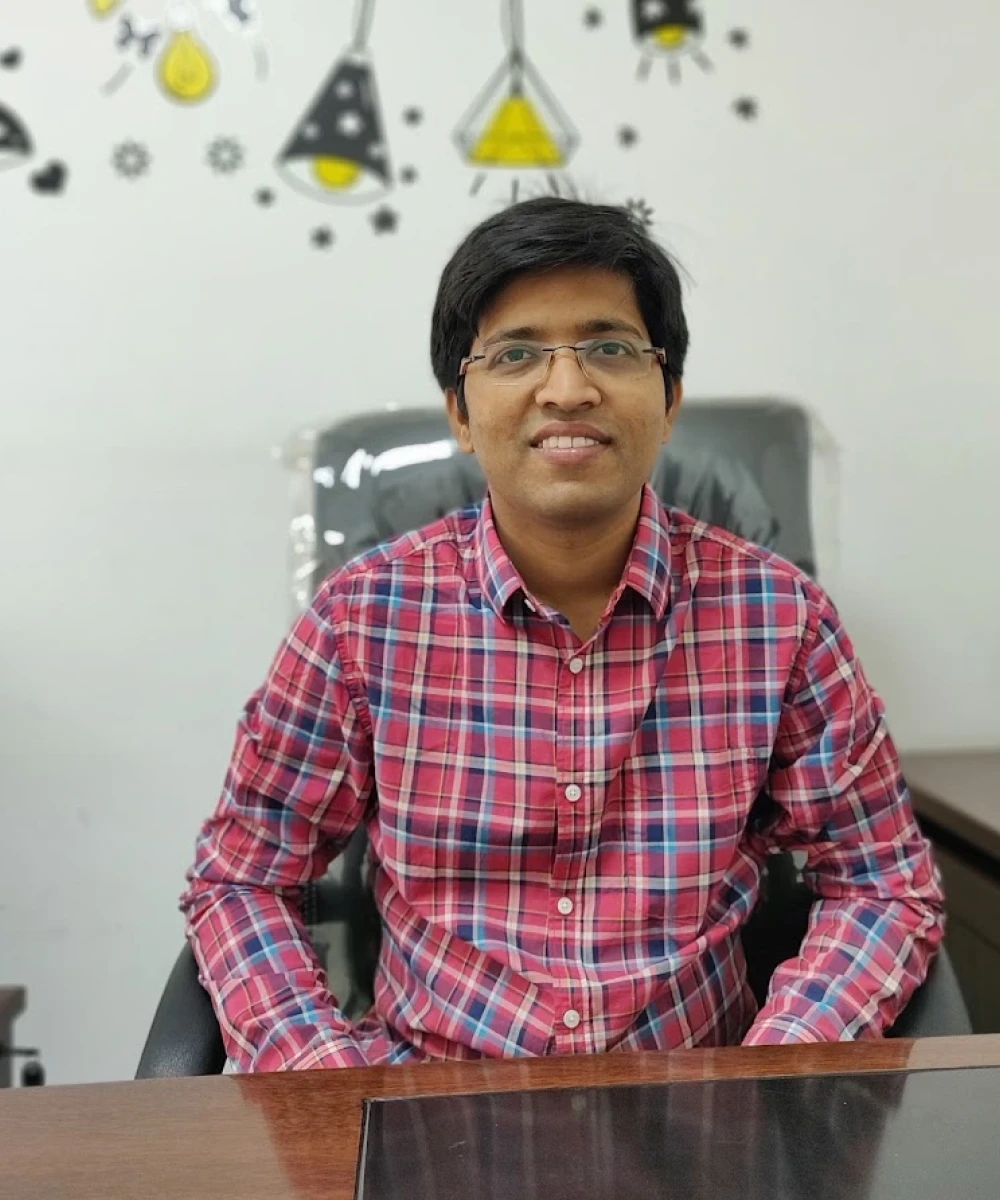
BDS, MDS · Orthodontist
Dr Shrikant completed BDS at Rural Dental College, Loni, and MDS in Orthodontics and Dentofacial Orthopaedics at M.G.V. Dental College, Nashik. He focuses on bite and alignment concerns.
His input is available when tooth position affects the plan.
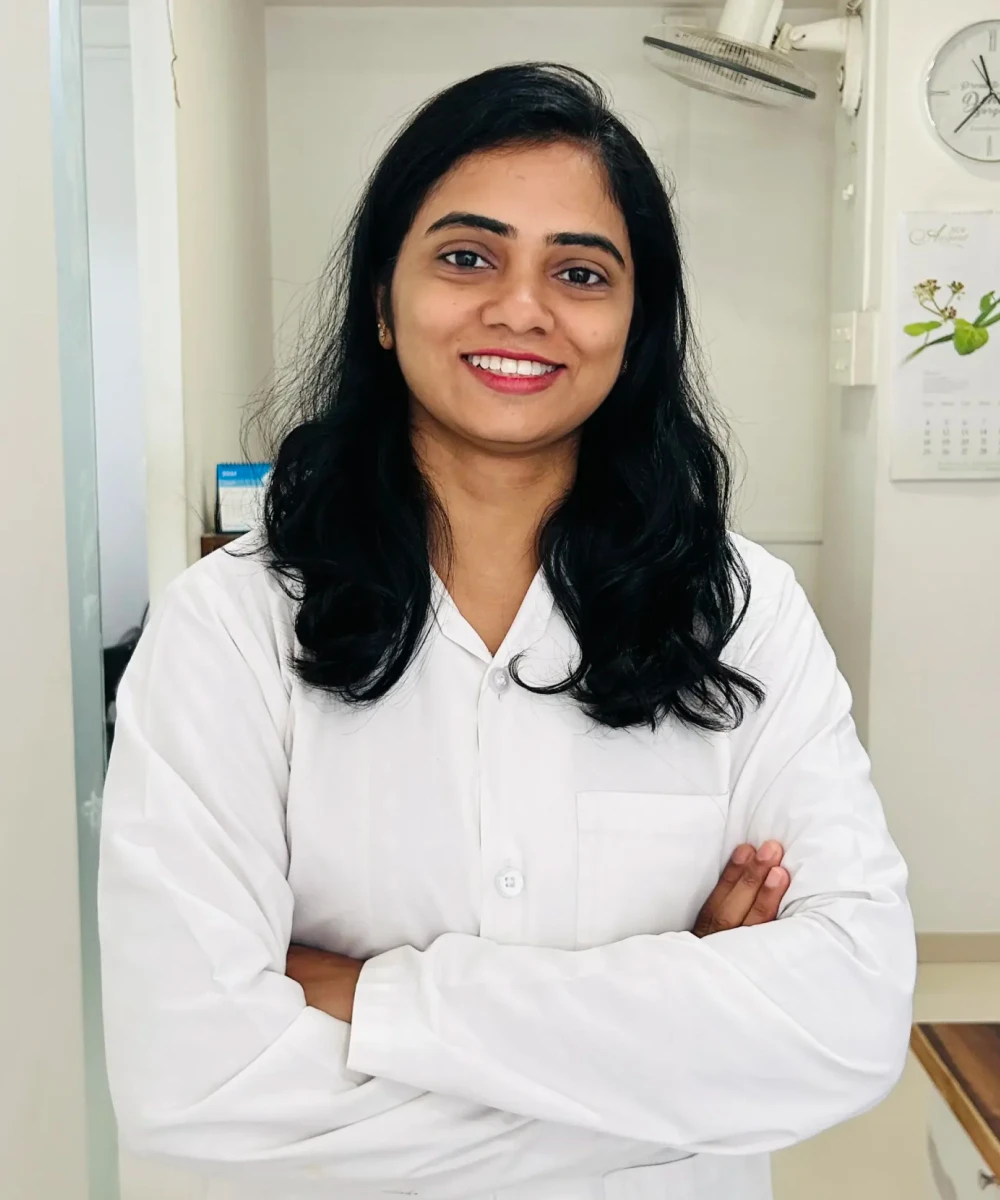
BDS, MDS · Endodontist
Dr Archana completed BDS at Rural Dental College, Loni, and MDS in Conservative Dentistry and Endodontics at SMBT Dental College, Sangamner. She received a Maharashtra University of Health Sciences gold medal and has taught as an assistant professor.
She assesses symptoms, tooth structure and restorative needs before recommending care.
The relevant dentist leads your plan, with coordinated support when needed.
“My teeth were so sensitive and there was cavity so my friend suggested me about this clinic and my experience was awesome doctors are so helpful they provided treatment with care and love”
“I had a wonderful experience at the clinic. Dr. Archana was very kind and professional, and my cavity filling procedure went very smoothly and without any issues”
“I got 4 fillings in front teeth.They look very natural.Thank You Dr Archana. Dr Shrikant is very friendly and cooperative.”
“I had a really good experience with Dr. Archana. She is very friendly and explains the treatment properly. I was comfortable throughout the treatment and she took good care. I am happy with the treatment and the results. Overall, very good experience. Would definitely recommend Dr. Archana.”
The rating below is the overall Google rating for the clinic, not a rating for Pit and Fissure Sealants. These are 5-star Google reviews chosen for relevance to this page, shown as written. A longer review may be shortened at the end of a sentence, and the link opens the full review. Reviews describe individual experiences and do not predict the result of your treatment.
Find us in Alacrity Commercial Complex near Bitwise Terratower, Mohan Nagar, Baner.
Sai Multi Speciality Dental Clinic, Baner
Shop no 101, Alacrity Commercial Complex, near Bitwise Terratower, Mohan Nagar Co-Op Society, Baner, Pune, Maharashtra 411045, India
+91 70203 80193
WhatsApp +91 70203 80193
| Monday–Saturday | 10:00 am–1:00 pm 4:00 pm–9:00 pm |
|---|---|
| Sunday | Closed |
Please call before travelling on public holidays.
Call before travelling to confirm the schedule and any access requirements.
They are commonly considered for children and adolescents, but an adult tooth may also be assessed when anatomy and disease risk justify sealing.
No. Fluoride toothpaste and cleaning between teeth remain necessary because a sealant covers only selected grooves.
Some non-cavitated occlusal lesions may be managed with a sealant after diagnosis, but a cavity usually needs another approach.
Retention varies with tooth position, isolation, material and wear, so the sealant is checked and repaired or replaced when indicated.
Not automatically. Imaging is prescribed only when history and examination leave a question that an image is expected to answer.
Sealants can last for several years, but they wear, and the dentist checks them at each visit and repairs or replaces them if needed. Their life depends on chewing forces and how well the tooth was kept dry during placement.
No. They protect the grooves of the chewing surfaces where decay often starts, but cavities can still form between teeth or at the gum line. Brushing, fluoride, limited sugary snacks and regular check-ups are still needed.
An examination remains necessary even when your concern sounds similar to a common dental problem.
Tell us what you have noticed and whether the concern is routine, uncomfortable or urgent.
Bring any recent dental images and the proposed tooth numbers. We can review whether each surface is sound, non-cavitated, cavitated or better managed with monitoring, fluoride support or restoration.
We confirm appointment requests after checking availability.
Related care depends on the diagnosis, treatment sequence and long-term maintenance needs.
