Full lingual appliance
May suit: For suitable comprehensive treatment with brackets behind most teeth. Timeline: Active treatment generally extends over many months.
Lingual braces are fixed to the tongue-facing surfaces of the teeth, making the appliance less visible from the front. Their position changes access, speech adaptation and cleaning, so suitability requires specific orthodontic assessment and planning.
At Sai Multi Speciality Dental Clinic, Baner, Dr Shrikant Gadakh assesses whether the required movements, tooth shape, bite and available space can be managed with a lingual system or whether another appliance is more appropriate.

Clinically reviewed by Dr Archana Satpute and Dr Shrikant Gadakh, both dentists at the clinic. Last reviewed 16 October 2026.
Lingual braces move teeth using brackets and wires placed on their inner surfaces. They reduce front-view visibility but can be harder to clean, may initially affect speech and require an appliance design suited to the bite and movements.
Lingual brackets remain attached throughout active treatment and work through planned wire changes. Because the bracket surfaces face the tongue, they are hidden in ordinary front views but are not invisible from every angle. [1]
The inner tooth surfaces differ in shape and working space from the front surfaces. Customised components may be needed, and appointments can be technically different from conventional fixed-brace visits.
Lingual braces avoid brackets on the front surfaces. Ceramic braces reduce visibility from the front, while clear aligners are removable. Each option differs in speech, hygiene, wear requirements, movement control and availability.
Patients also search for this as hidden braces, braces behind the teeth or invisible braces. If you are looking for lingual braces in Baner, the dentist explains how they differ from front-fitted braces and clear aligners, which bite problems they can treat and what to expect for speech and cleaning.
The right treatment starts with identifying the condition and the least extensive suitable option.
Suitability depends on examination findings, not symptoms or appearance alone.
Lingual appliances use the same biological principle as other braces, but the force system acts from inside the arch. Bracket position, wire design, tongue space and the way upper and lower teeth contact influence planning. The hidden position does not remove the risks of plaque, root change or relapse. [2]
May suit: For suitable comprehensive treatment with brackets behind most teeth. Timeline: Active treatment generally extends over many months.
May suit: For selected front-tooth objectives that do not require comprehensive correction. Timeline: Duration depends on the restricted objective.
May suit: When reduced visibility is desired but a lingual appliance is unsuitable. Timeline: Timing follows the movements and chosen system.
Want to talk this through before you book? Our team can answer questions about lingual braces by phone or WhatsApp.
The condition, remaining support and long-term maintenance needs determine the appropriate option.
We assess the bite, tooth surfaces, tongue space and required root movement.
The orthodontist plans bracket positions and a suitable wire sequence.
Brackets are attached behind the teeth and cleaning is demonstrated.
Wires and auxiliaries are reviewed while speech, tongue and bite adapt.
The appliance is removed and retainers are prescribed.
Care moves from diagnosis and planning to treatment, checks and maintenance.
Lingual treatment needs repeated reviews for wire progression, bite control and appliance repair. Appointment intervals and total duration depend on complexity, biological response and cooperation. Early adaptation visits may be needed if a wire or bracket irritates the tongue.
Visit numbers depend on diagnosis, complexity, preliminary care and review needs.
The tongue may feel sore and speech may change temporarily after fitting. Teeth can also feel tender after wire changes. Wax and specific advice can help during adaptation, while sharp or loose parts should be checked rather than altered at home.
Tell us about anxiety, sensitivity, previous difficult dental experiences or medical concerns before care begins. We can explain each stage, agree on a stop signal and pause when clinically appropriate.
Comfort planning begins with knowing what you feel and agreeing how we communicate during care.
Use the demonstrated brush angles around hidden brackets and gum margins.
Use wax as advised and report persistent ulceration or a sharp wire.
Keep hard and sticky foods away from brackets and wires.
Follow the retention plan once active movement is complete.
Follow the advice for your specific procedure and contact us when symptoms worsen instead of settling.
Lingual braces may not suit every bite, tooth shape, movement or patient. They can affect speech initially, irritate the tongue and be challenging to clean. They do not eliminate general orthodontic risks such as enamel marks, gum inflammation, root shortening and relapse. [3]
Medical history, medicines, ability to tolerate care and the feasibility of long-term maintenance are considered before elective treatment.
Tongue irritation, speech changes in the first weeks and soreness after adjustments are common. Brackets are harder to clean and see, so plaque marks and gum inflammation need careful watching. Less common problems include root shortening, bracket breakage and relapse without retainers. Call the clinic for a wire or bracket that cuts the tongue or a loose bracket.
Not sure whether lingual braces applies to you? Call or message the clinic and we will explain the next step.
We recommend treatment only when the expected benefit and maintainability justify proceeding.
Dr Shrikant examines the inner tooth surfaces, bite depth, alignment and treatment objectives. We compare lingual braces with ceramic braces and aligners, including visibility, cleaning, speech, movement control and appointment needs.
Before you decide, we explain the likely benefits, material risks, alternatives and consequences of delay. You can take time to consider elective treatment.
The first visit establishes the diagnosis, priorities and a treatment plan specific to you.
Your care is planned by the dentist whose training matches the treatment, with coordinated support when more than one speciality is involved.
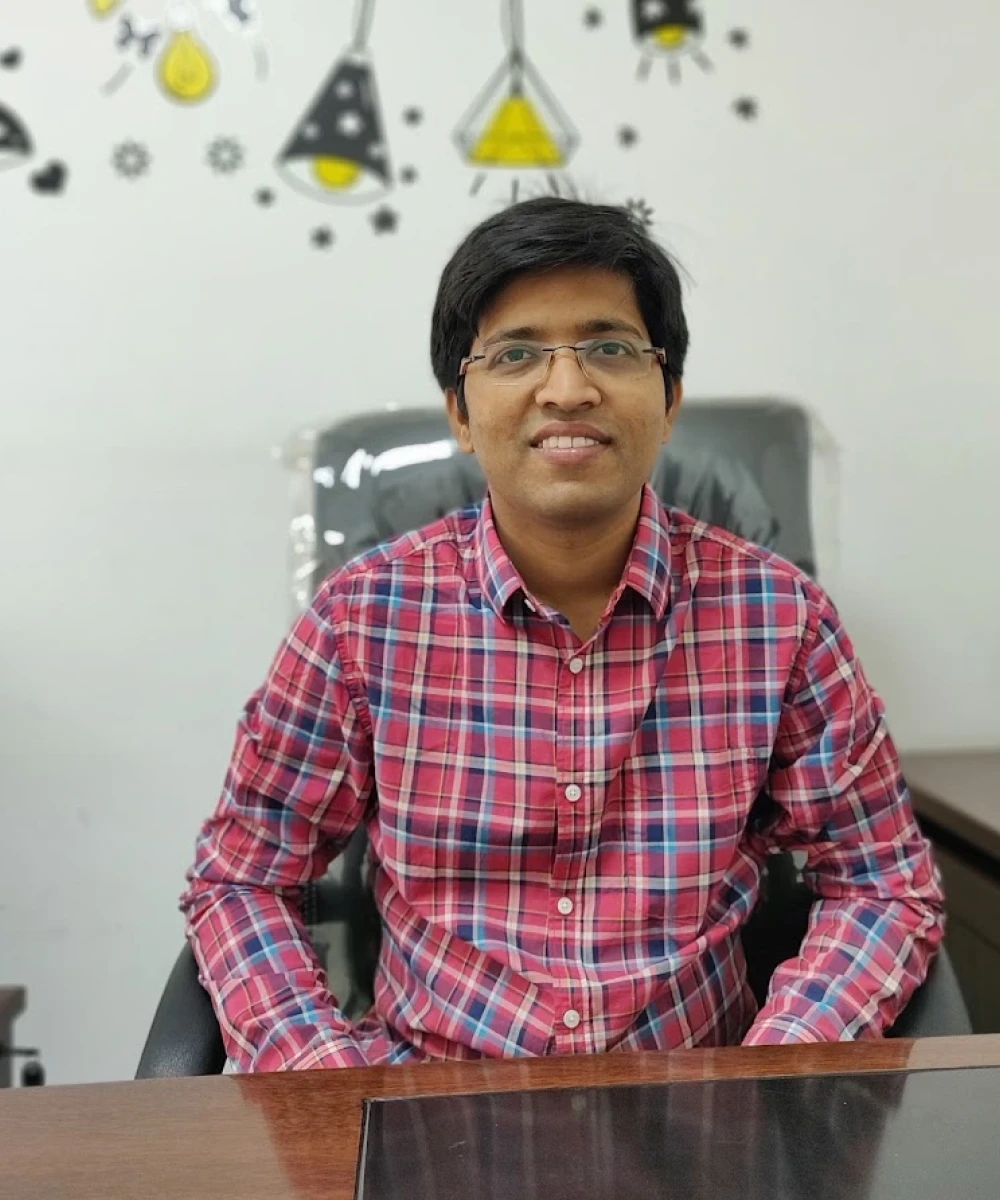
BDS, MDS · Orthodontist
Dr Shrikant completed BDS at Rural Dental College, Loni, and MDS in Orthodontics and Dentofacial Orthopaedics at M.G.V. Dental College, Nashik. He focuses on bite and alignment concerns.
His input is available when tooth position affects the plan.
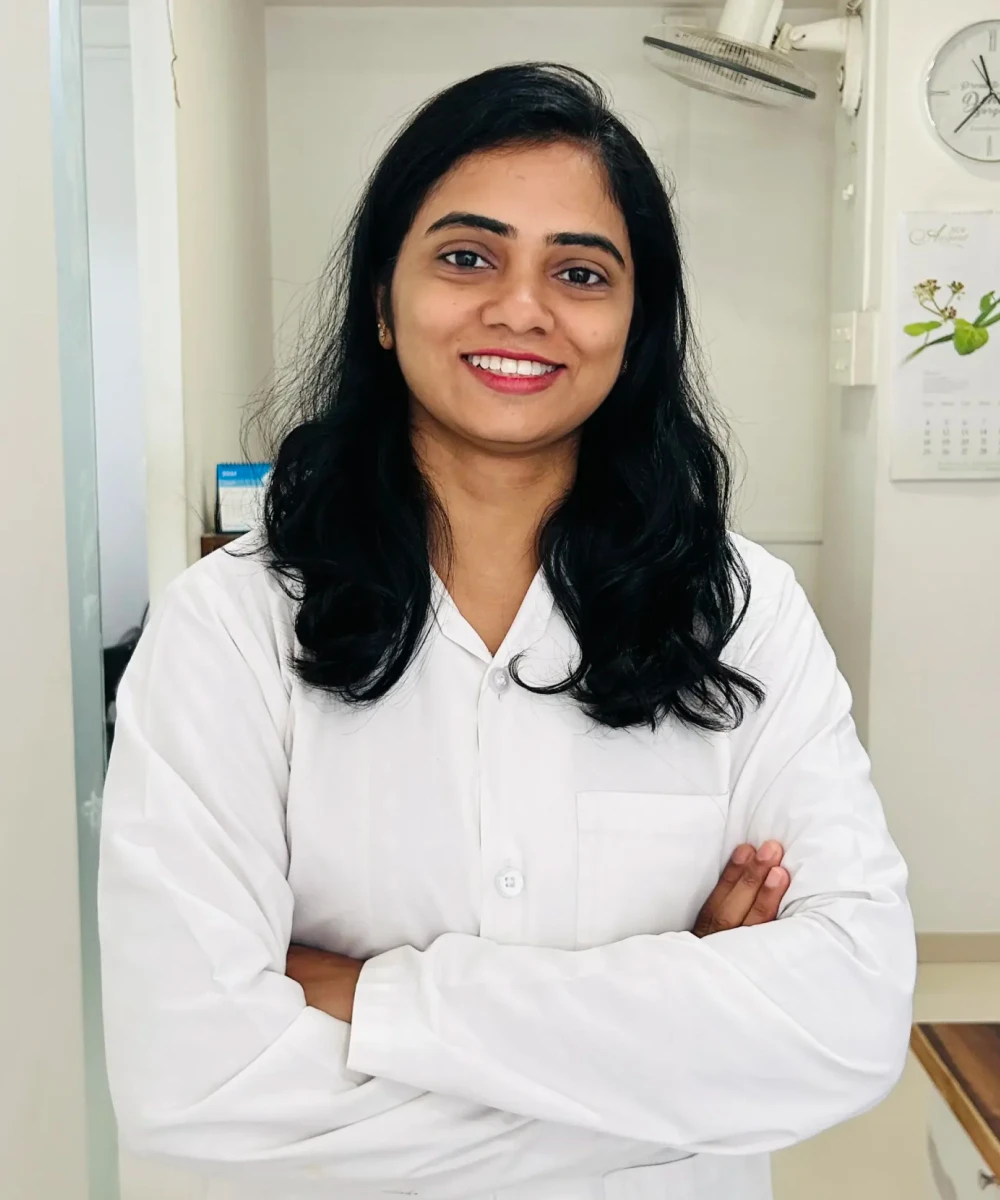
BDS, MDS · Endodontist
Dr Archana completed BDS at Rural Dental College, Loni, and MDS in Conservative Dentistry and Endodontics at SMBT Dental College, Sangamner. She received a Maharashtra University of Health Sciences gold medal and has taught as an assistant professor.
She assesses symptoms, tooth structure and restorative needs before recommending care.
The relevant dentist leads your plan, with coordinated support when needed.
“I am undergoing braces tritment , A big thank you to the dental team for taking such good care of my teeth. ✨ The treatment was smooth, professional, and comfortable I'm really happy with the results and my brighter smile Highly recommended!”
“I am currently undergoing braces treatment. I used to have significant gaps between my teeth, but now they have all aligned beautifully. The doctor is providing excellent treatment, and as a result, I feel very happy and satisfied.”
“I had a really good experience at Sai Multi Speciality Dental Clinic, Baner. To be honest, nowadays I am a little hesitant when it comes to doctors and hospitals. I have visited a few places before where I didn’t feel completely confident about the treatment advice, so for me, trust in a doctor is very important. But my experience here was different. From my first visit, I felt that the doctor actually listened to my problem and suggested treatment based on what I really needed. I never felt that I was being unnecessarily pushed towards anything. The doctor’s nature is very good, and he gives proper attention and time to each patient. That personally made me feel comfortable and trust the treatment. In my case, I had a gap between my teeth and my upper teeth were also more forward than I wanted. I took treatment for around one year, and I am genuinely very happy with the results. The gap has been closed and my upper teeth have moved back into a much better position. I can clearly see the difference between how my teeth were before and how they are now. …”
“Had a great experience with my braces treatment. The doctor is very professional, friendly, and explains everything clearly. The treatment process has been smooth and I’m very happy with the results. Highly recommended!”
The rating below is the overall Google rating for the clinic, not a rating for Lingual Braces. These are 5-star Google reviews chosen for relevance to this page, shown as written. A longer review may be shortened at the end of a sentence, and the link opens the full review. Reviews describe individual experiences and do not predict the result of your treatment.
Find us in Alacrity Commercial Complex near Bitwise Terratower, Mohan Nagar, Baner.
Sai Multi Speciality Dental Clinic, Baner
Shop no 101, Alacrity Commercial Complex, near Bitwise Terratower, Mohan Nagar Co-Op Society, Baner, Pune, Maharashtra 411045, India
+91 70203 80193
WhatsApp +91 70203 80193
| Monday–Saturday | 10:00 am–1:00 pm 4:00 pm–9:00 pm |
|---|---|
| Sunday | Closed |
Please call before travelling on public holidays.
Call before travelling to confirm the schedule and any access requirements.
They are hidden behind the teeth in ordinary front views, but parts may be seen from some angles or when the mouth is open widely.
Speech can change during early adaptation because the tongue contacts a new surface. Improvement varies, and patients with high speech demands should discuss this before treatment.
They can be because the brackets are difficult to see and reach. Careful brushing, interdental aids and regular dental checks are important.
No appliance is suitable for every problem. Tooth anatomy, bite, required movements, tongue space and clinician experience affect whether lingual treatment is reasonable.
Yes. The bracket position does not prevent teeth from moving after active treatment, so retainers are prescribed.
Most people notice a slight lisp at first and adjust within a few weeks as the tongue learns the new shape. Reading aloud and speaking slowly help, and the dentist can smooth rough areas that irritate the tongue.
Not always. Very short teeth, deep bites or a sensitive tongue can make lingual braces harder. The dentist assesses the teeth, bite and your comfort needs before advising this option or another one.
An examination remains necessary even when your concern sounds similar to a common dental problem.
Tell us what you have noticed and whether the concern is routine, uncomfortable or urgent.
Bring any proposed lingual setup and records. We can review whether the hidden appliance can achieve the stated bite objectives and whether its trade-offs were compared fairly with front-surface braces and aligners.
We confirm appointment requests after checking availability.
Related care depends on the diagnosis, treatment sequence and long-term maintenance needs.
