Routine extraction
May suit: An erupted tooth expected to be removed through the socket. Timeline: Assessment and removal may occur in one or separate visits.
Tooth extraction means removing a tooth from its socket. It may be considered for a tooth that cannot be predictably restored, uncontrolled infection, severe support loss, selected orthodontic plans or another diagnosed reason.
At Sai Multi Speciality Dental Clinic, Baner, the dental team examines the tooth and available alternatives before recommending removal. The expected difficulty, medical history and imaging determine whether care is routine, surgical or better referred.
Clinically reviewed by Dr Archana Satpute and Dr Shrikant Gadakh, both dentists at the clinic. Last reviewed 16 October 2026.
A tooth extraction is planned only after the dentist assesses whether the tooth can and should be retained. The procedure, risks, recovery and effect of the resulting space vary with the tooth and patient.
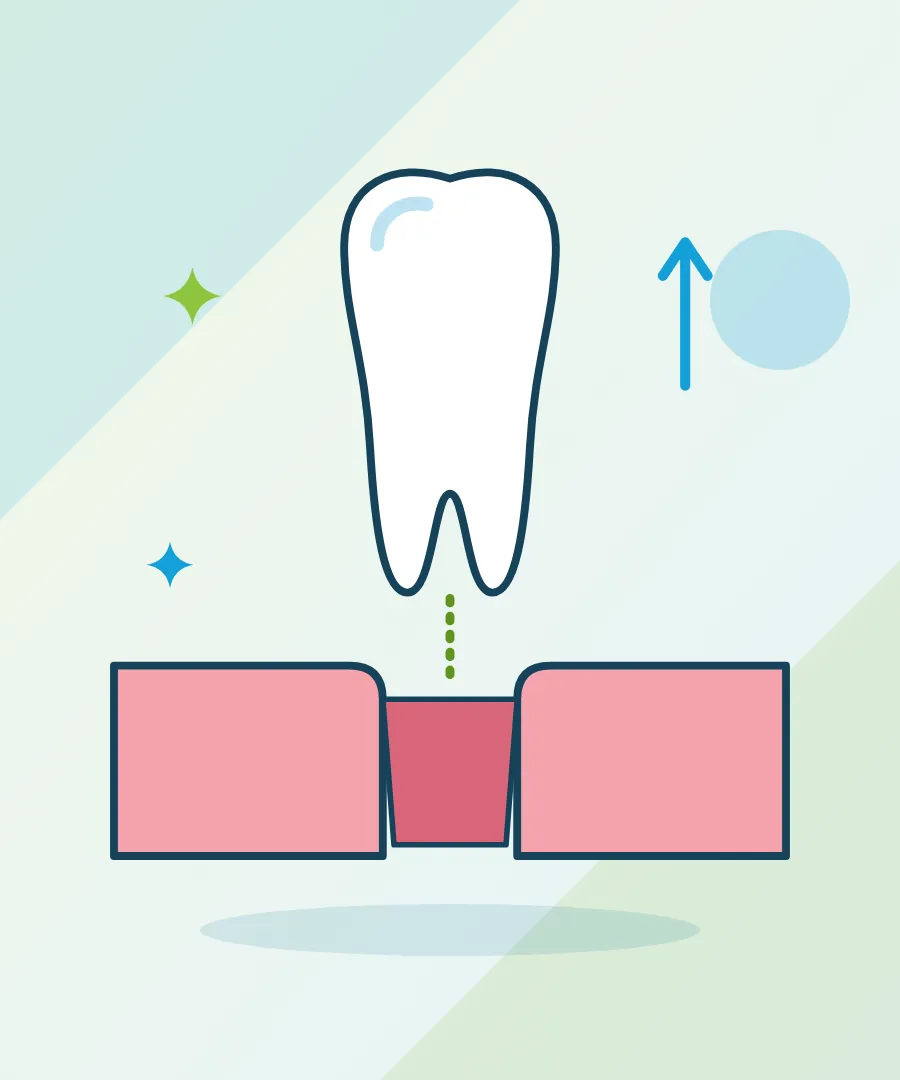
A routine extraction generally loosens an erupted tooth and removes it through the socket. Broken, impacted or anatomically complex teeth may require a surgical approach or referral rather than the same technique. [1]
Pain relief alone does not identify the correct treatment. Examination and suitable imaging help distinguish a restorable tooth, a tooth needing endodontic or periodontal care, and one for which removal is reasonable.
Depending on diagnosis, alternatives may include a filling or crown, root canal treatment, periodontal care, monitoring or further review. When removal is selected, the future of the space is discussed separately.
This treatment is also called tooth removal, pulling a tooth or simple tooth extraction. If you are looking for tooth extraction in Baner, the dentist first checks whether the tooth can be kept, explains what removal involves and discusses how the gap can be replaced afterwards. Related reading: surgical tooth extraction.
The right treatment starts with identifying the condition and the least extensive suitable option.
Suitability depends on examination findings, not symptoms or appearance alone.
Decay, fracture, failed treatment, infection, severe mobility or treatment planning can lead to an extraction discussion. The reason should be recorded clearly because removal is irreversible and does not by itself complete management of infection, bite or the remaining space. [2]
May suit: An erupted tooth expected to be removed through the socket. Timeline: Assessment and removal may occur in one or separate visits.
May suit: A broken, impacted or anatomically complex tooth. Timeline: Planning, procedure and review depend on complexity.
May suit: A tooth with a reasonable preservation pathway or low current risk. Timeline: Treatment or risk-based reassessment replaces extraction.
Want to talk this through before you book? Our team can answer questions about tooth extractions by phone or WhatsApp.
The condition, remaining support and long-term maintenance needs determine the appropriate option.
Assess symptoms, restorability, support and alternatives.
Review medical history, medicines, imaging and difficulty.
Test local anaesthesia before proceeding.
Use the planned routine technique or stop and revise if needed.
Check the socket, place gauze and provide written advice.
Care moves from diagnosis and planning to treatment, checks and maintenance.
A consultation may be separate from removal when diagnosis, medical coordination, consent or scheduling needs more time. A suitable routine case may be treated at the planned appointment. Surgical complexity, acute infection or replacement planning can add visits, and review is arranged when symptoms or the procedure indicate it.
Visit numbers depend on diagnosis, complexity, preliminary care and review needs.
Local anaesthetic is normally used and is tested before removal. Pressure and movement can still be felt even when sharp pain is controlled. Tell the dentist immediately about sharp pain or distress so the procedure can pause and the plan can be reassessed.
Tell us about anxiety, sensitivity, previous difficult dental experiences or medical concerns before care begins. We can explain each stage, agree on a stop signal and pause when clinically appropriate.
Comfort planning begins with knowing what you feel and agreeing how we communicate during care.
Follow the given advice about rinsing, food and activity.
Use the instructed pressure method and contact us if it does not settle.
Smoking and vaping can impair healing and raise dry-socket risk.
Increasing pain, fever, bad taste or worsening swelling needs review.
Follow the advice for your specific procedure and contact us when symptoms worsen instead of settling.
Removal does not ensure immediate resolution of every symptom and can involve bleeding, swelling, bruising, infection, dry socket, damage to nearby structures or altered sensation. The specific risk profile depends on tooth position, anatomy, health and procedure difficulty. [3]
Medical history, medicines, ability to tolerate care and the feasibility of long-term maintenance are considered before elective treatment.
Bleeding, swelling and tenderness are common for a day or two after an extraction. Less common problems include dry socket, where the clot is lost and pain increases after a few days, infection, a fractured root piece, damage to a neighbouring tooth and numbness. Call the clinic if pain grows after day three, swelling spreads, you have a fever or bleeding does not stop with firm pressure. Go to a hospital emergency department for difficulty breathing or swallowing.
Not sure whether tooth extractions applies to you? Call or message the clinic and we will explain the next step.
We recommend treatment only when the expected benefit and maintainability justify proceeding.
Tell us what happened, how symptoms have changed, and which medicines or antibiotics you have taken. We check whether the tooth is restorable, assess procedure difficulty and explain preservation, removal and replacement choices relevant to you.
Before you decide, we explain the likely benefits, material risks, alternatives and consequences of delay. You can take time to consider elective treatment.
Removal is recommended only after the dentist has confirmed why retaining the tooth is less appropriate than extracting it. Assessment considers restorability, infection, cracks, gum and bone support, tooth position and nearby structures. Filling, root canal treatment, periodontal care, monitoring or referral may remain reasonable alternatives.
Imaging is selected to assess roots, surrounding bone, nearby teeth, the maxillary sinus or the lower-jaw nerve canal. More detailed imaging or referral may be advised when anatomy or complexity would change the safer approach. Tell us about health conditions, pregnancy, allergies, tobacco use and every medicine. Do not stop blood thinners without advice from the prescribing clinician.
The socket’s blood clot is part of healing. Follow the written instructions about bleeding, rinsing, cleaning, eating and activity. Smoking or vaping can impair healing. Increasing pain after initial improvement, bad taste, fever, pus, worsening swelling, persistent altered sensation or bleeding that does not settle needs prompt contact.
After an adult tooth is removed, choices may include accepting the space, a bridge, a removable tooth replacement, orthodontic space management or an implant after healing. Replacement is a separate decision based on tooth position, bite and oral health.
The first visit establishes the diagnosis, priorities and a treatment plan specific to you.
Your care is planned by the dentist whose training matches the treatment, with coordinated support when more than one speciality is involved.
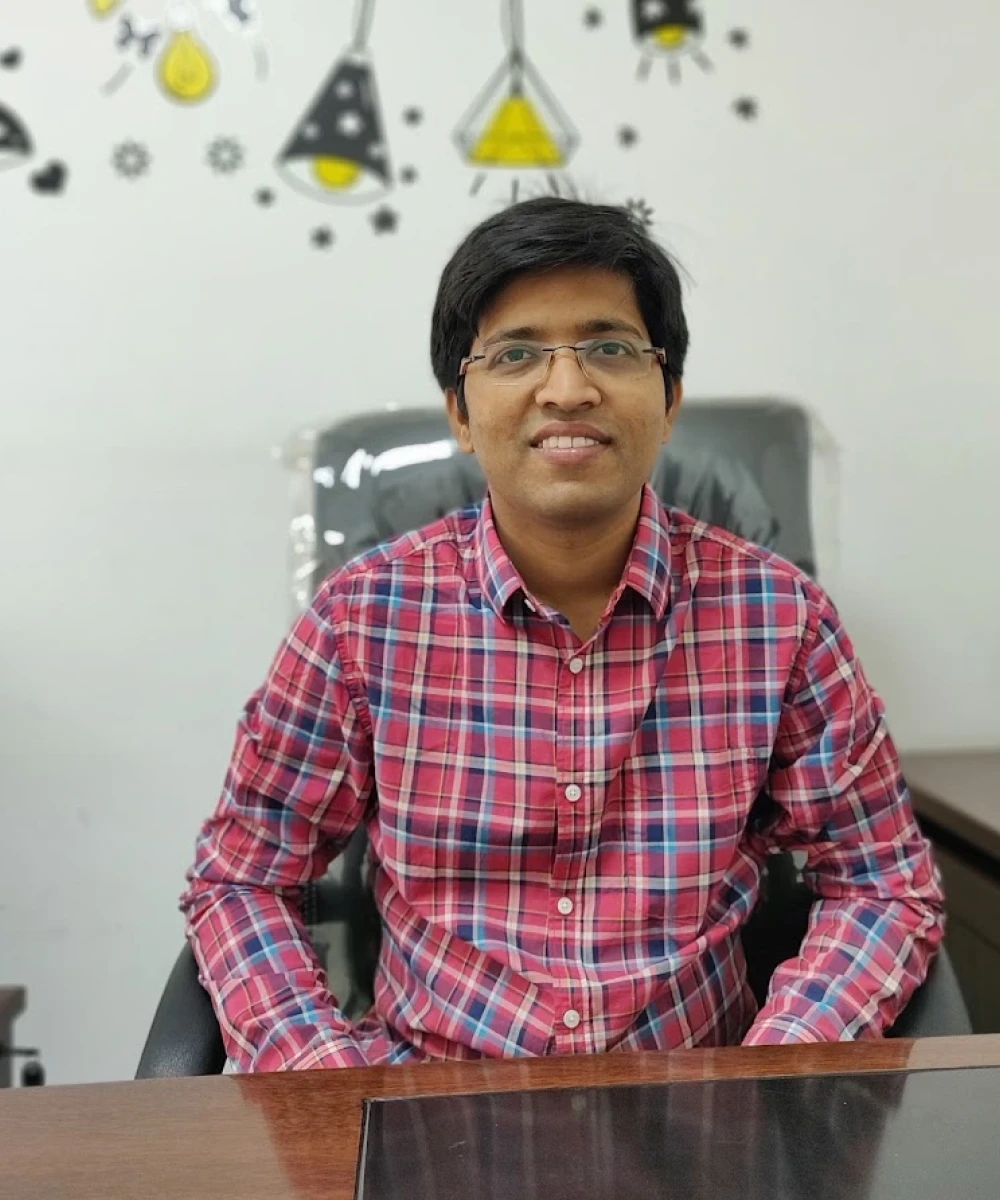
BDS, MDS · Orthodontist
Dr Shrikant completed BDS at Rural Dental College, Loni, and MDS in Orthodontics and Dentofacial Orthopaedics at M.G.V. Dental College, Nashik. He focuses on bite and alignment concerns.
His input is available when tooth position affects the plan.
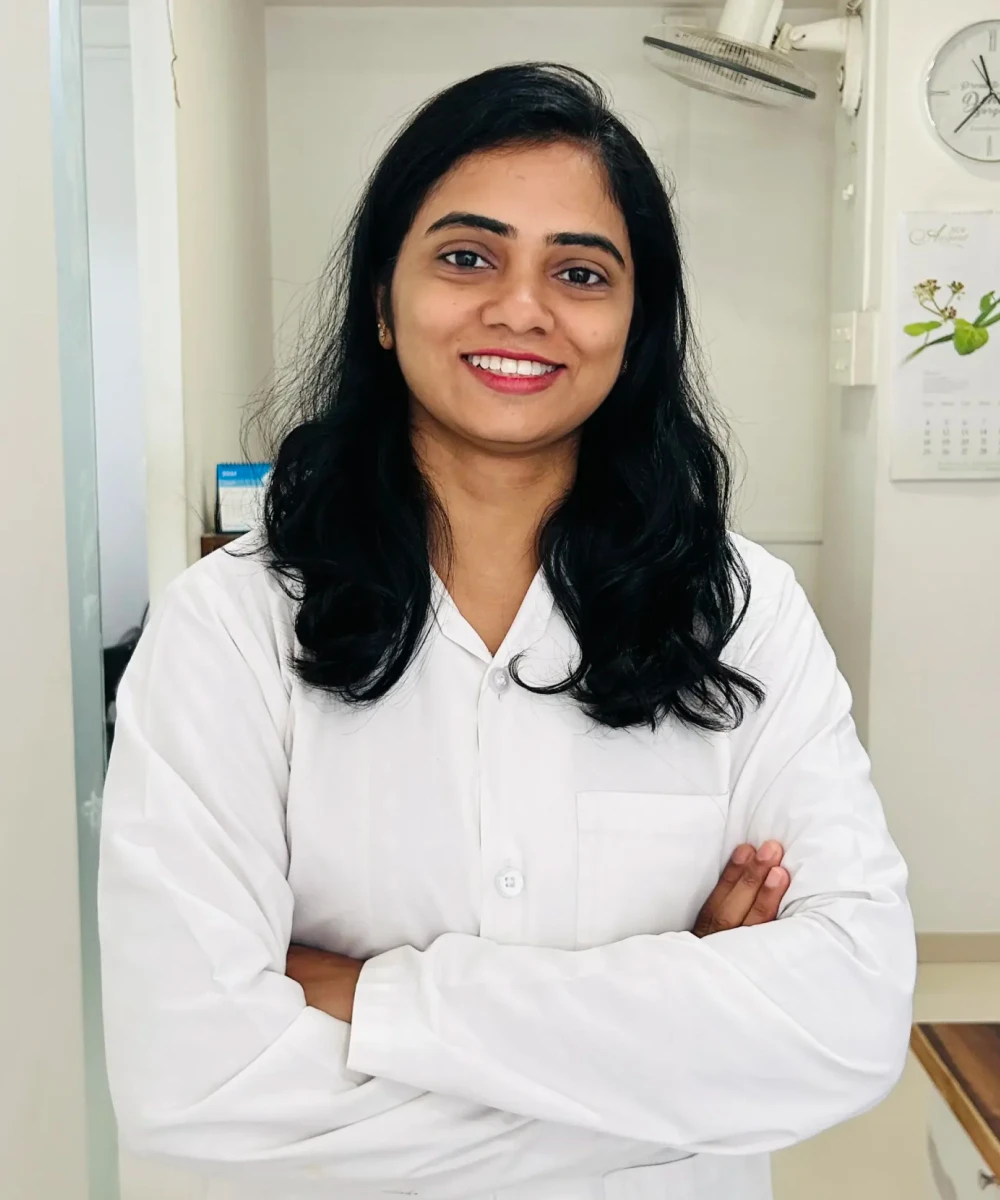
BDS, MDS · Endodontist
Dr Archana completed BDS at Rural Dental College, Loni, and MDS in Conservative Dentistry and Endodontics at SMBT Dental College, Sangamner. She received a Maharashtra University of Health Sciences gold medal and has taught as an assistant professor.
She assesses symptoms, tooth structure and restorative needs before recommending care.
The relevant dentist leads your plan, with coordinated support when needed.
“Had my wisdom tooth extraction surgery done by Dr. Archana and her team at Sai Multispeciality Dental Clinic, and the entire experience was very smooth and comfortable. I was honestly nervous before the procedure, but Dr. Archana explained everything patiently and made me feel relaxed. …”
“I am an old patient since 8-9 years to this clinic. Done 2 root canals and caps and 1 extraction from Dr Archana Satpute. She is very gentle and experienced. I am very happy with the treatment received.”
“I had my wisdom tooth removal surgery.My experience is really good.The doctor and all the staff were very good and cooperative. I recommend Sai Dental Clinic to anyone who has any dental issues.”
“Excellent Treatment at the Clinic by the Doctors and the Staff. Dr Archana was very polite and proper guidance was given regarding the treatment.”
The rating below is the overall Google rating for the clinic, not a rating for Tooth Extractions. These are 5-star Google reviews chosen for relevance to this page, shown as written. A longer review may be shortened at the end of a sentence, and the link opens the full review. Reviews describe individual experiences and do not predict the result of your treatment.
Find us in Alacrity Commercial Complex near Bitwise Terratower, Mohan Nagar, Baner.
Sai Multi Speciality Dental Clinic, Baner
Shop no 101, Alacrity Commercial Complex, near Bitwise Terratower, Mohan Nagar Co-Op Society, Baner, Pune, Maharashtra 411045, India
+91 70203 80193
WhatsApp +91 70203 80193
| Monday–Saturday | 10:00 am–1:00 pm 4:00 pm–9:00 pm |
|---|---|
| Sunday | Closed |
Please call before travelling on public holidays.
Call before travelling to confirm the schedule and any access requirements.
It may be considered when a tooth cannot be predictably retained or removal is required for a defined infection, periodontal, orthodontic or restorative reason.
No. Root shape, fracture, impaction, bone, nearby anatomy and access can make surgical care or referral appropriate.
Early soft-tissue healing and symptom improvement occur over days to weeks, while bone remodelling continues longer and varies by case.
It is painful inflammation after the protective socket clot is lost or breaks down, often with increasing pain and an unpleasant taste.
No. The decision depends on the tooth, bite, function, neighbouring teeth, oral health and your preferences.
Choose soft, cool or lukewarm food for the first day or two and chew on the other side. Avoid hot drinks, alcohol, straws and vigorous rinsing while the clot forms. Return to normal food gradually as the area becomes comfortable.
Many people return to normal activity the next day after a simple extraction, but heavy exercise can restart bleeding and is better avoided for a day or two. The dentist advises a more specific plan if the extraction was complex or you had sedation.
An examination remains necessary even when your concern sounds similar to a common dental problem.
Tell us what you have noticed and whether the concern is routine, uncomfortable or urgent.
Bring recent images and the proposed reason for removal. We can review restorability, endodontic or periodontal alternatives, urgency, surgical difficulty and what leaving or replacing the space would mean.
We confirm appointment requests after checking availability.
Related care depends on the diagnosis, treatment sequence and long-term maintenance needs.
