Limited surgical extraction
May suit: A broken or difficult tooth with manageable access and anatomy. Timeline: Procedure and review according to wound complexity.
A surgical tooth extraction may be needed when a tooth is impacted, broken below the gum, has difficult roots or requires controlled access through gum or bone. It does not mean every complex tooth can be treated here.
At Sai Multi Speciality Dental Clinic, Baner, examination and imaging are used to estimate difficulty and anatomical risk. We explain whether treatment can be provided at the clinic or whether referral to an oral-surgery setting is safer.
Clinically reviewed by Dr Archana Satpute and Dr Shrikant Gadakh, both dentists at the clinic. Last reviewed 16 October 2026.
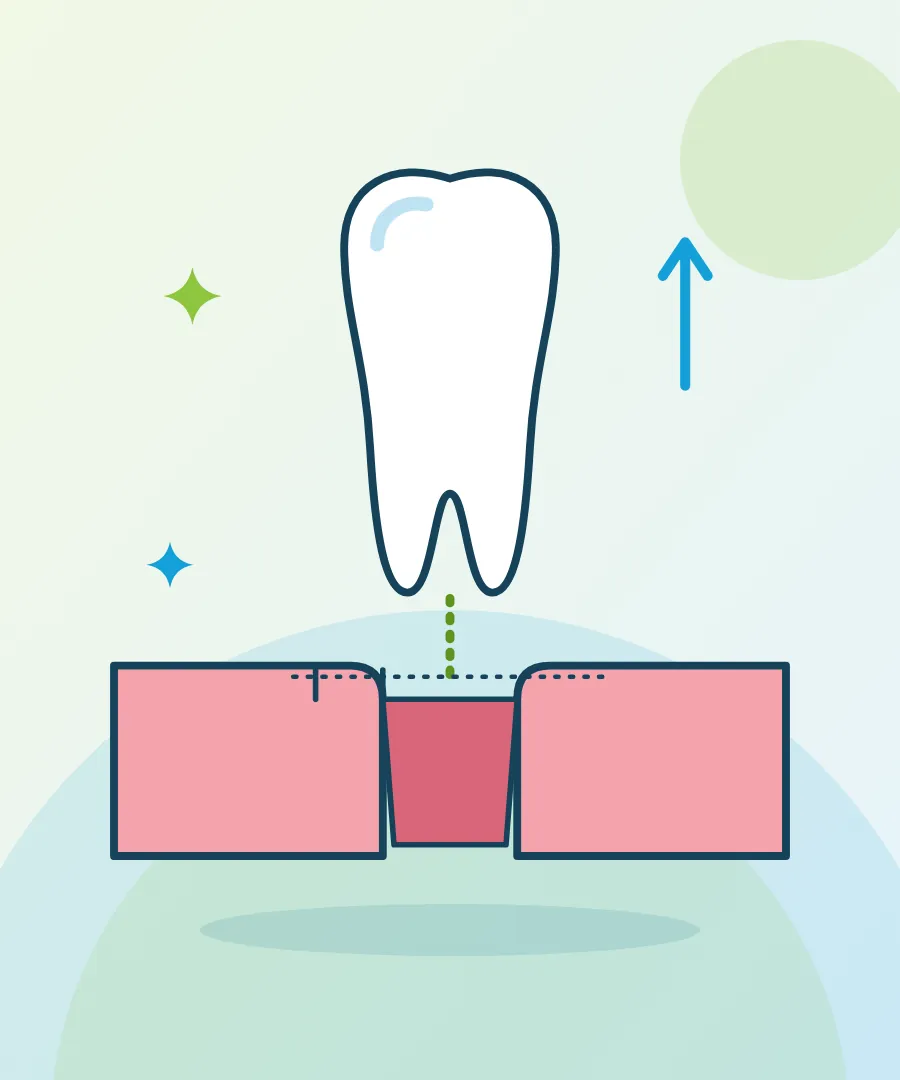
Surgical extraction creates controlled access to remove a tooth that is not suitable for routine forceps removal. Complexity, anaesthesia, referral and recovery are decided only after assessment.
The dentist may need to make a small gum incision, remove limited surrounding bone or divide the tooth into sections. Stitches may be placed depending on the wound and planned closure. [1]
The same label covers very different procedures, from a retained root to a deeply impacted tooth. Root shape, visibility, bone, infection and proximity to nerves, sinus and adjacent teeth influence the plan.
The tooth may be suitable for routine removal, preservation, monitoring or advanced care. When a root fragment is present, leaving it may occasionally carry less risk than aggressive removal, but that decision requires individual assessment and documentation.
People also call this treatment a surgical extraction, impacted tooth removal or the removal of a broken or buried tooth. If you are looking for surgical tooth extraction in Baner, the dentist uses an X-ray to plan the approach, explains whether the procedure can be done at the clinic and discusses recovery before you decide.
The right treatment starts with identifying the condition and the least extensive suitable option.
Suitability depends on examination findings, not symptoms or appearance alone.
Surgical access improves visibility and control. Because a more involved approach can increase swelling, soreness and anatomical risk, the anticipated benefit must justify it. [2]
May suit: A broken or difficult tooth with manageable access and anatomy. Timeline: Procedure and review according to wound complexity.
May suit: Deep impaction, close vital anatomy, pathology or higher medical risk. Timeline: Consultation, additional planning and surgical appointment.
May suit: A tooth or root where removal is not currently the safest choice. Timeline: Risk-based review or tooth-preserving care.
Want to talk this through before you book? Our team can answer questions about surgical tooth extraction by phone or WhatsApp.
The condition, remaining support and long-term maintenance needs determine the appropriate option.
Use examination and suitable imaging to plan access and referral.
Review consent, medicines and confirm effective numbness.
Reflect gum and remove limited bone only when required.
Divide the tooth or roots when this reduces force and risk.
Manage the socket, haemostasis and stitches when indicated.
Care moves from diagnosis and planning to treatment, checks and maintenance.
A planning visit is commonly needed before surgical removal. Treatment and review may be separate, while complex anatomy can add imaging or referral appointments. Stitch review is not required in every case because some sutures dissolve, but symptoms and the clinician’s instructions determine follow-up.
Visit numbers depend on diagnosis, complexity, preliminary care and review needs.
Local anaesthetic is used for suitable clinic-based procedures and is checked before incision or removal. Pressure, vibration and movement can occur. If complexity, health or anxiety calls for sedation, general anaesthesia or hospital support, that requires a separate referral pathway rather than an unverified promise.
Tell us about anxiety, sensitivity, previous difficult dental experiences or medical concerns before care begins. We can explain each stage, agree on a stop signal and pause when clinically appropriate.
Comfort planning begins with knowing what you feel and agreeing how we communicate during care.
Follow the procedure-specific advice for clot and wound care.
Use advised measures and monitor whether symptoms begin to improve.
Avoid tobacco, picking, forceful rinsing and unsuitable foods.
Report bleeding, worsening pain, fever, bad taste or altered feeling.
Follow the advice for your specific procedure and contact us when symptoms worsen instead of settling.
Surgical removal can cause pain, swelling, bruising, limited opening, bleeding, infection, dry socket, delayed healing and damage to nearby teeth or restorations. Site-specific risks include sinus communication and altered nerve sensation. Referral reduces some management risk but cannot remove every complication. [3]
Medical history, medicines, ability to tolerate care and the feasibility of long-term maintenance are considered before elective treatment.
Swelling, bruising and a sore jaw are common for several days after surgery. Less common problems include dry socket, infection, bleeding, injury to a neighbouring tooth, numbness of the lip, tongue or chin, and a sinus opening after upper tooth removal. Call the clinic if pain grows after day three, swelling spreads, you have a fever or numbness does not settle. Go to a hospital emergency department for difficulty breathing or swallowing.
Not sure whether surgical tooth extraction applies to you? Call or message the clinic and we will explain the next step.
We recommend treatment only when the expected benefit and maintainability justify proceeding.
We identify why removal is proposed, assess whether the tooth can be retained and review health, medicines and imaging. The discussion covers the planned access, important anatomy, alternatives, referral threshold, recovery and management of the resulting space.
Before you decide, we explain the likely benefits, material risks, alternatives and consequences of delay. You can take time to consider elective treatment.
Removal is recommended only after the dentist has confirmed why retaining the tooth is less appropriate than extracting it. Assessment considers restorability, infection, cracks, gum and bone support, tooth position and nearby structures. Filling, root canal treatment, periodontal care, monitoring or referral may remain reasonable alternatives.
Imaging is selected to assess roots, surrounding bone, nearby teeth, the maxillary sinus or the lower-jaw nerve canal. More detailed imaging or referral may be advised when anatomy or complexity would change the safer approach. Tell us about health conditions, pregnancy, allergies, tobacco use and every medicine. Do not stop blood thinners without advice from the prescribing clinician.
The socket’s blood clot is part of healing. Follow the written instructions about bleeding, rinsing, cleaning, eating and activity. Smoking or vaping can impair healing. Increasing pain after initial improvement, bad taste, fever, pus, worsening swelling, persistent altered sensation or bleeding that does not settle needs prompt contact.
After an adult tooth is removed, choices may include accepting the space, a bridge, a removable tooth replacement, orthodontic space management or an implant after healing. Replacement is a separate decision based on tooth position, bite and oral health.
The first visit establishes the diagnosis, priorities and a treatment plan specific to you.
Your care is planned by the dentist whose training matches the treatment, with coordinated support when more than one speciality is involved.
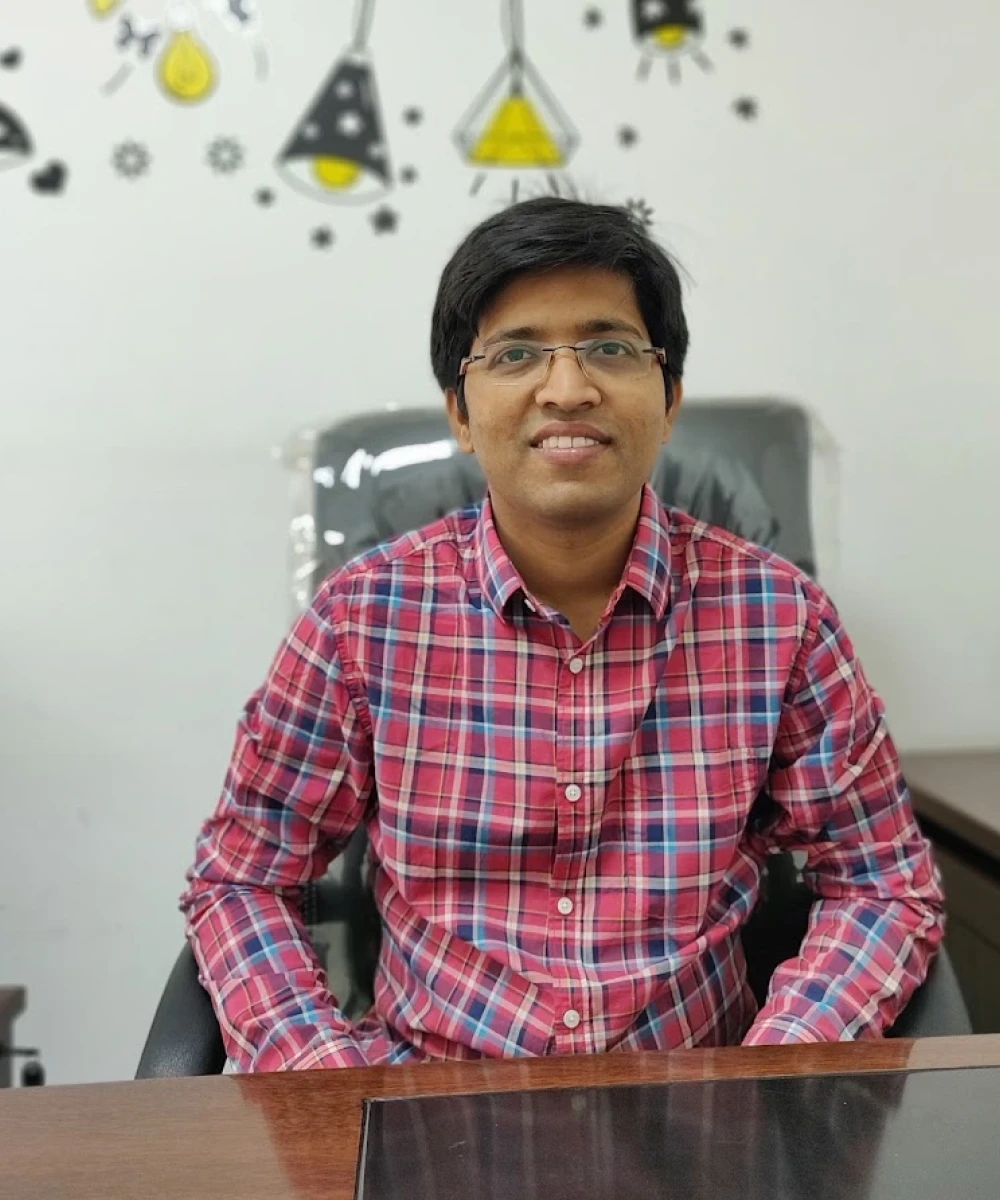
BDS, MDS · Orthodontist
Dr Shrikant completed BDS at Rural Dental College, Loni, and MDS in Orthodontics and Dentofacial Orthopaedics at M.G.V. Dental College, Nashik. He focuses on bite and alignment concerns.
His input is available when tooth position affects the plan.
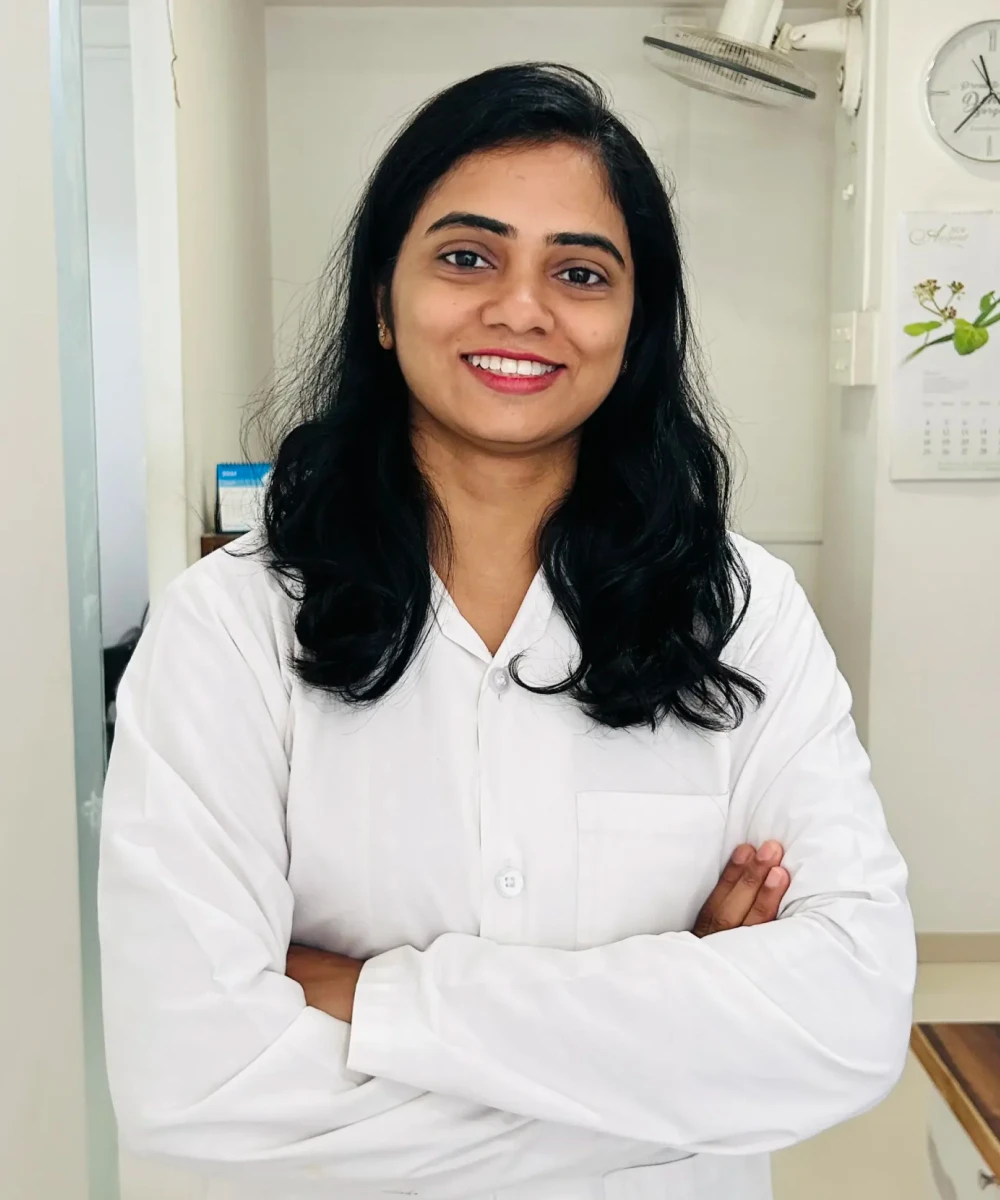
BDS, MDS · Endodontist
Dr Archana completed BDS at Rural Dental College, Loni, and MDS in Conservative Dentistry and Endodontics at SMBT Dental College, Sangamner. She received a Maharashtra University of Health Sciences gold medal and has taught as an assistant professor.
She assesses symptoms, tooth structure and restorative needs before recommending care.
The relevant dentist leads your plan, with coordinated support when needed.
“I had my wisdom tooth removal surgery.My experience is really good.The doctor and all the staff were very good and cooperative. I recommend Sai Dental Clinic to anyone who has any dental issues.”
“Nice behaviour of Dr Archana mam. Did my tooth extraction and removable tooth placement. Happy with treatment. Will recommend to all.”
“Had my wisdom tooth extraction surgery done by Dr. Archana and her team at Sai Multispeciality Dental Clinic, and the entire experience was very smooth and comfortable. I was honestly nervous before the procedure, but Dr. Archana explained everything patiently and made me feel relaxed. …”
“Great staff and very helpful people who communicate with absolute clarity. Both the doctors (Dr Archana and her associate) are very knowledgeable and polite. Would recommend not to judge the clinic by its location. It has all the facilities. I did scaling and molar tooth extraction. …”
The rating below is the overall Google rating for the clinic, not a rating for Surgical Tooth Extraction. These are 5-star Google reviews chosen for relevance to this page, shown as written. A longer review may be shortened at the end of a sentence, and the link opens the full review. Reviews describe individual experiences and do not predict the result of your treatment.
Find us in Alacrity Commercial Complex near Bitwise Terratower, Mohan Nagar, Baner.
Sai Multi Speciality Dental Clinic, Baner
Shop no 101, Alacrity Commercial Complex, near Bitwise Terratower, Mohan Nagar Co-Op Society, Baner, Pune, Maharashtra 411045, India
+91 70203 80193
WhatsApp +91 70203 80193
| Monday–Saturday | 10:00 am–1:00 pm 4:00 pm–9:00 pm |
|---|---|
| Sunday | Closed |
Please call before travelling on public holidays.
Call before travelling to confirm the schedule and any access requirements.
It requires planned access such as a gum incision, limited bone removal or tooth sectioning rather than removal through the socket alone.
Sometimes. The need and material depend on the wound, closure and clinician’s plan.
No. Anatomy, pathology, health, anaesthesia needs or complexity may make referral safer.
Some swelling can increase during the first two days, but rapid, severe or continuing worsening with illness needs assessment.
Observation or replacement choices are discussed according to the tooth, bite, oral health, healing and your priorities.
Early healing takes about a week, with swelling usually worst on the second or third day. Stitches, if used, are removed or dissolve on their own. Full healing of the gum and bone takes longer, and the dentist reviews you to check progress.
Not routinely. Antibiotics are prescribed only when there is infection or a medical reason, and they do not replace good cleaning and aftercare. The dentist decides based on your findings and history, and explains any medicine and how to take it.
An examination remains necessary even when your concern sounds similar to a common dental problem.
Tell us what you have noticed and whether the concern is routine, uncomfortable or urgent.
Bring all available images and notes. We can review whether surgery is necessary, whether a less invasive or tooth-preserving option exists, and whether the predicted difficulty warrants advanced care.
We confirm appointment requests after checking availability.
Related care depends on the diagnosis, treatment sequence and long-term maintenance needs.
