Observation
May suit: A healthy, stable gap without functional concern. Timeline: Risk-based review without active closure.
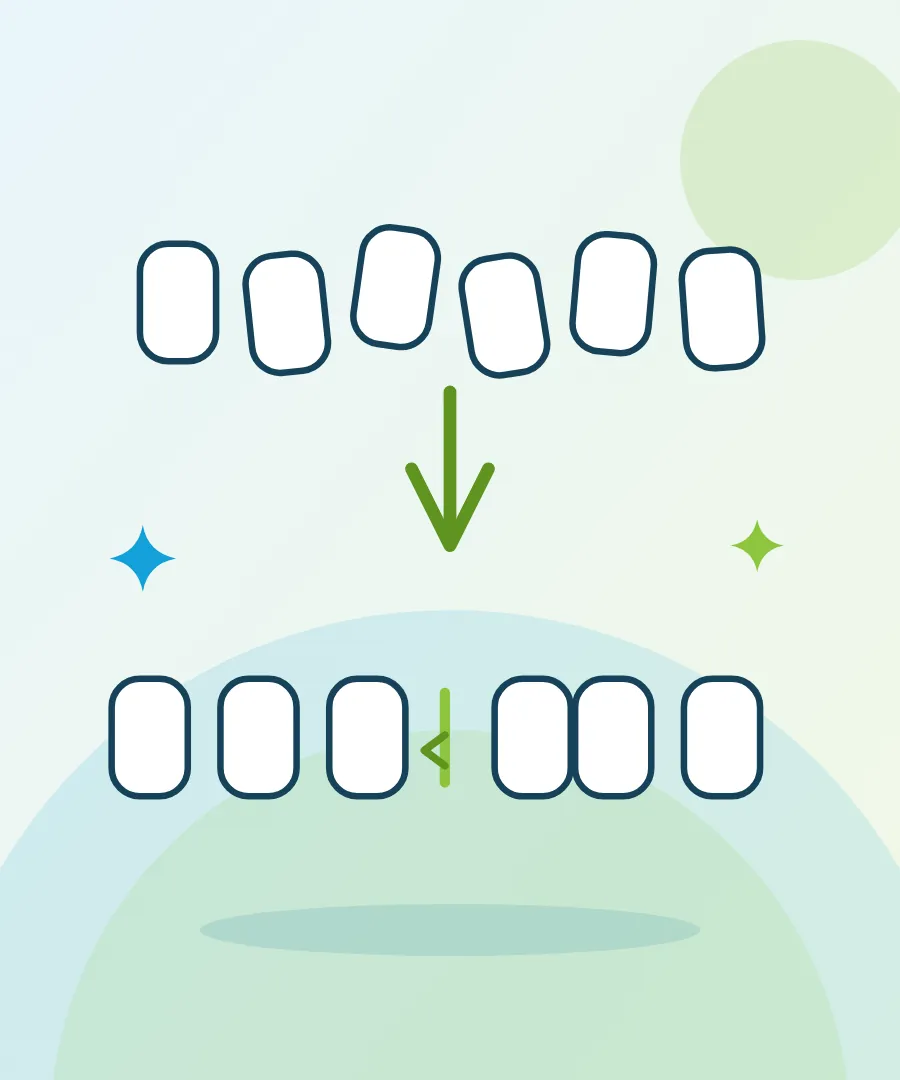
A gap between teeth may be a normal feature, a result of tooth and jaw size, missing teeth, tooth movement, habits, gum attachment or periodontal support loss. Some spaces need no treatment, while a new or widening gap requires assessment.
At Sai Multi Speciality Dental Clinic, Baner, Dr Shrikant Gadakh examines the position of the teeth, bite, gums, frenum, missing teeth and facial relationships before comparing observation, orthodontics, bonding or coordinated restorative care.
Clinically reviewed by Dr Archana Satpute and Dr Shrikant Gadakh, both dentists at the clinic. Last reviewed 16 October 2026.
A gap between teeth is not automatically a health problem. The decision to observe or close it depends on its cause, stability, bite, gum health, cleaning, age and the amount and shape of available tooth structure.
Spacing can develop when teeth are small relative to the jaw, a tooth is absent or undersized, front teeth are pushed by a habit, or a prominent frenum influences the area. Normal developmental spaces in children may change as more teeth erupt. [1]
In adults, new spacing can reflect gum and bone support loss or unwanted tooth movement. Closing the visible space without treating an active cause can produce relapse or conceal disease.
A stable space that is easy to clean and acceptable to the patient can be monitored. Treatment is elective unless the gap reflects disease, functional difficulty or a broader bite problem. A simulation illustrates direction but cannot predict the exact result.
Patients also search for this as teeth spacing, a gap in front teeth, a diastema or spaces between the teeth. If you are looking for gap between teeth treatment in Baner, the dentist explains why the gap has appeared and compares braces, aligners and bonding for closing it, as well as leaving it alone when it does not cause problems.
The right treatment starts with identifying the condition and the least extensive suitable option.
Suitability depends on examination findings, not symptoms or appearance alone.
Spacing is a relationship among tooth size, jaw size, eruption, missing teeth, gum support and bite. The safest plan identifies where the space should go, whether tooth movement is stable and whether restorative additions will remain cleanable and proportionate. [2]
May suit: A healthy, stable gap without functional concern. Timeline: Risk-based review without active closure.
May suit: Spacing associated with tooth positions or a broader bite issue. Timeline: Records, active movement and long-term retention.
May suit: A suitable local space related to tooth size or shape. Timeline: Design, additive repair and maintenance review.
Want to talk this through before you book? Our team can answer questions about gap between teeth by phone or WhatsApp.
The condition, remaining support and long-term maintenance needs determine the appropriate option.
Establish whether the space is longstanding, developing or widening.
Assess size, position, missing teeth and occlusal relationships.
Measure inflammation, mobility and periodontal support where relevant.
Use photographs, scans and imaging when they change planning.
Explain movement, bonding, combined care, stability and retention.
Care moves from diagnosis and planning to treatment, checks and maintenance.
The first visit establishes the cause and whether treatment is needed. Orthodontic records, a restorative trial shape or periodontal evaluation may be separate. Treatment time depends on the number of spaces, bite, chosen approach and retention needs.
Visit numbers depend on diagnosis, complexity, preliminary care and review needs.
The initial examination, photographs and digital scan are generally non-invasive. Gum measurements can feel tender when tissues are inflamed. Any later tooth movement or restorative preparation has a separate comfort and consent discussion.
Tell us about anxiety, sensitivity, previous difficult dental experiences or medical concerns before care begins. We can explain each stage, agree on a stop signal and pause when clinically appropriate.
Comfort planning begins with knowing what you feel and agreeing how we communicate during care.
Use an aid sized for the actual contact and gap.
Report widening, mobility, bleeding or bite change.
Avoid habits that overload bonded edges.
Closed spaces can reopen without ongoing retention.
Follow the advice for your specific procedure and contact us when symptoms worsen instead of settling.
Closure may be deferred when gum support is unstable, growth or eruption is incomplete, tooth proportions would become unsuitable, or expected benefit is limited. Bonding can stain or chip, teeth can move after orthodontics, and a frenum procedure is not automatically necessary. [3]
Medical history, medicines, ability to tolerate care and the feasibility of long-term maintenance are considered before elective treatment.
A gap can be harmless, but it can also trap food and let gums become inflamed. Closing a gap has risks too: bonding can chip or stain, braces and aligners can cause soreness and relapse, and a gap that is caused by gum disease or a tight tissue band needs that cause treated first. Call the clinic if a gap is widening quickly, a tooth feels loose or the gum bleeds.
Not sure whether gap between teeth applies to you? Call or message the clinic and we will explain the next step.
We recommend treatment only when the expected benefit and maintainability justify proceeding.
Tell us when you noticed the gap, whether it has changed and what result you want. Bring previous photographs, orthodontic records and retainers if available. Dr Shrikant reviews the bite, gum health and realistic closure choices.
Before you decide, we explain the likely benefits, material risks, alternatives and consequences of delay. You can take time to consider elective treatment.
Symptoms are clues rather than a diagnosis. We record where the problem is felt, when it began, what triggers it, how long it lasts and whether sleep, chewing or daily activity is affected. The painful or visible area is compared with nearby teeth, gums, bite and jaw because discomfort can be referred from another site.
Tests and imaging are selected to answer a clinical question. Depending on the concern, this may include checking cold response, bite tenderness, mobility, gum measurements, cracks, restorations or a focused dental X-ray. No single test is interpreted in isolation, and normal-looking surfaces do not rule out deeper disease.
The initial aim is to identify urgency and cause, then discuss reasonable choices. Temporary symptom relief is not a substitute for definitive care when decay, infection, fracture or failing support is present. If findings are uncertain, review, additional imaging or referral may be safer than irreversible treatment.
The first visit establishes the diagnosis, priorities and a treatment plan specific to you.
Your care is planned by the dentist whose training matches the treatment, with coordinated support when more than one speciality is involved.
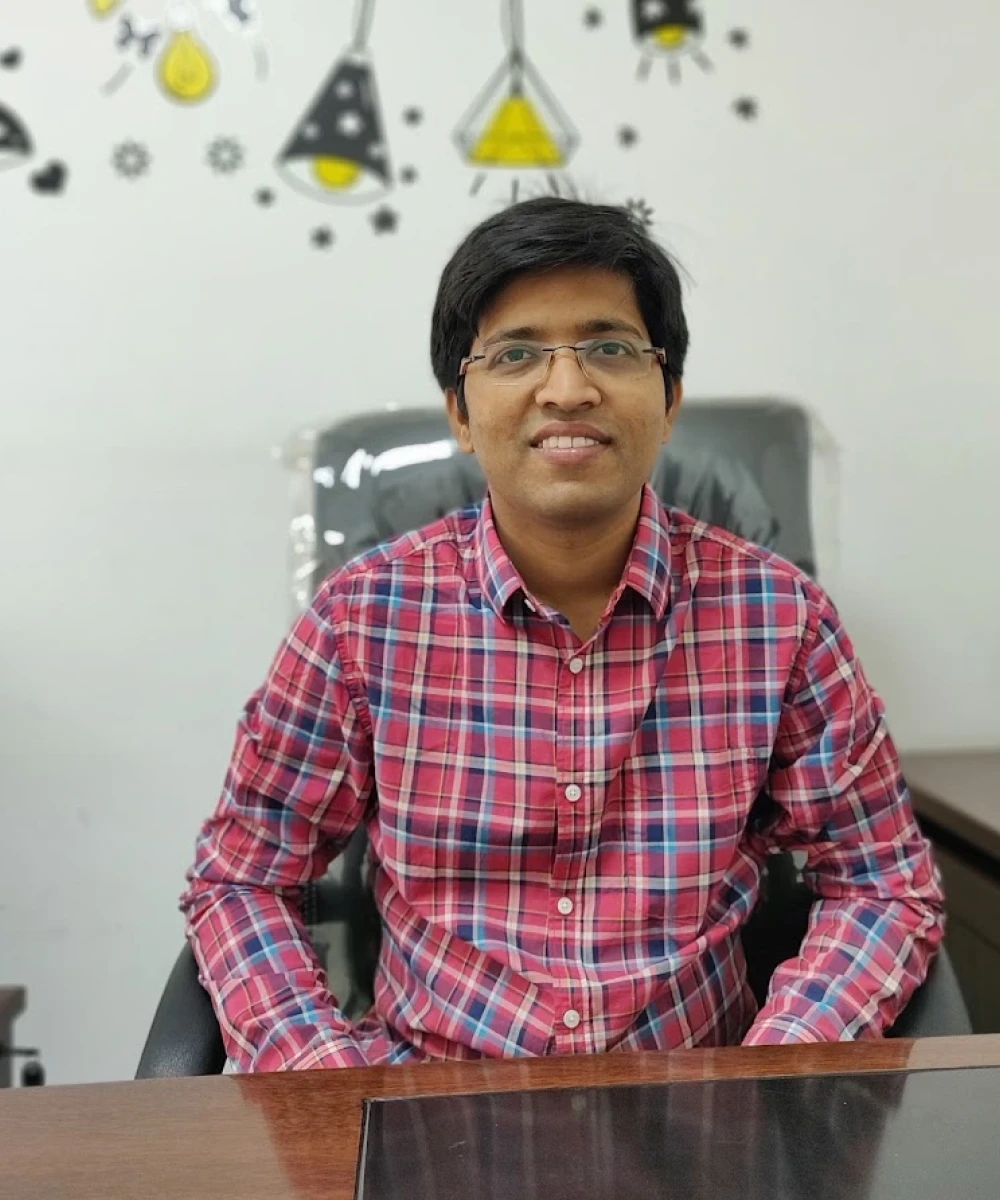
BDS, MDS · Orthodontist
Dr Shrikant completed BDS at Rural Dental College, Loni, and MDS in Orthodontics and Dentofacial Orthopaedics at M.G.V. Dental College, Nashik. He focuses on bite and alignment concerns.
His input is available when tooth position affects the plan.
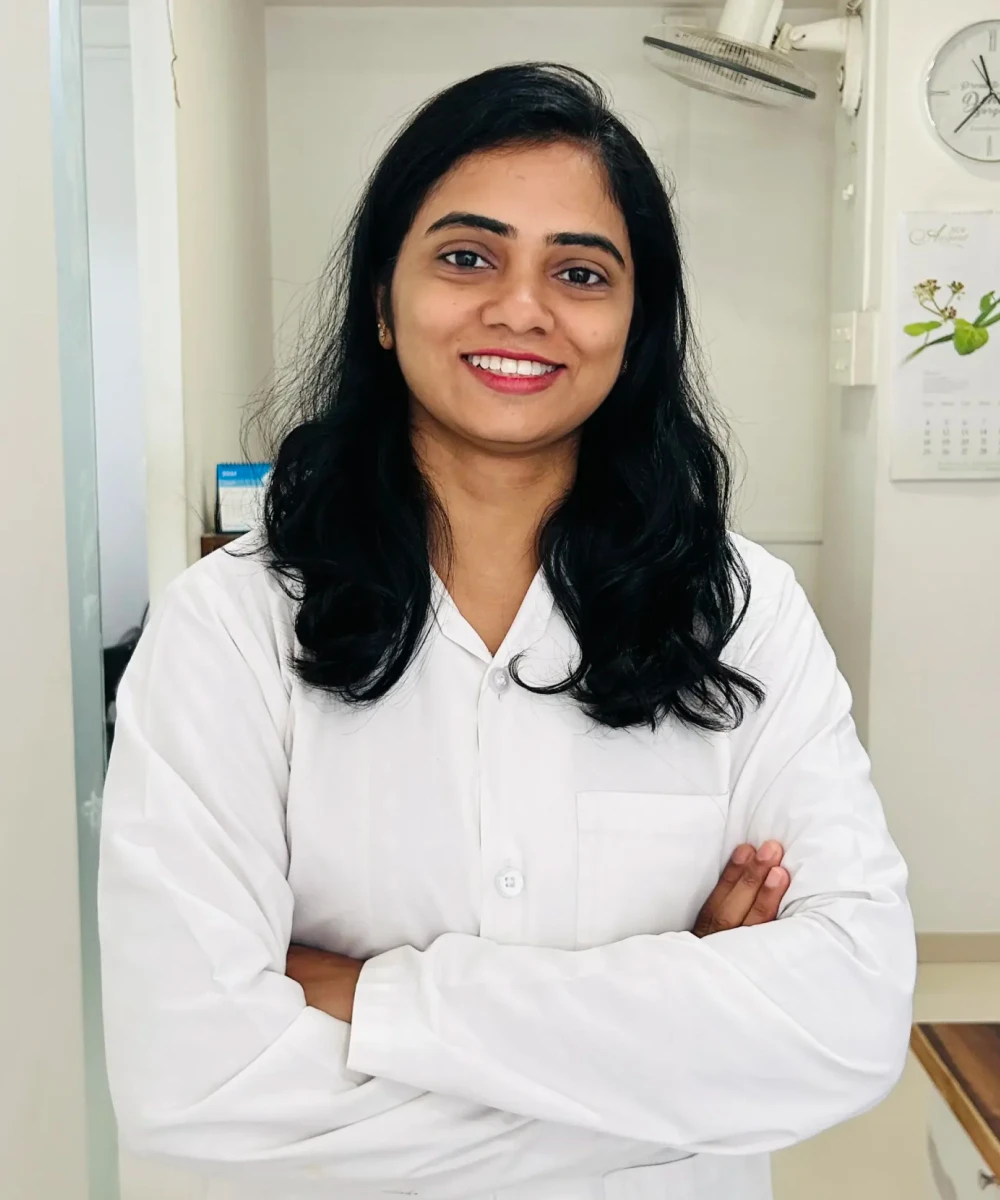
BDS, MDS · Endodontist
Dr Archana completed BDS at Rural Dental College, Loni, and MDS in Conservative Dentistry and Endodontics at SMBT Dental College, Sangamner. She received a Maharashtra University of Health Sciences gold medal and has taught as an assistant professor.
She assesses symptoms, tooth structure and restorative needs before recommending care.
The relevant dentist leads your plan, with coordinated support when needed.
“I'm very happy with my teeth aligner journey at this clinic. Excellent guidance, smooth treatment, and a caring team throughout. …”
“Had a great experience with my braces treatment. The doctor is very professional, friendly, and explains everything clearly. The treatment process has been smooth and I’m very happy with the results. Highly recommended!”
“Just completed my braces treatment with Dr. Shrikant sir at Sai Dental Clinic. Really good doctor, very kind and has perfection in his work. Highly recommend. Thank you for great results!”
“I have done braces treatment very nice results . Thank you Dr shrikant sir”
The rating below is the overall Google rating for the clinic, not a rating for Gap Between Teeth. These are 5-star Google reviews chosen for relevance to this page, shown as written. A longer review may be shortened at the end of a sentence, and the link opens the full review. Reviews describe individual experiences and do not predict the result of your treatment.
Find us in Alacrity Commercial Complex near Bitwise Terratower, Mohan Nagar, Baner.
Sai Multi Speciality Dental Clinic, Baner
Shop no 101, Alacrity Commercial Complex, near Bitwise Terratower, Mohan Nagar Co-Op Society, Baner, Pune, Maharashtra 411045, India
+91 70203 80193
WhatsApp +91 70203 80193
| Monday–Saturday | 10:00 am–1:00 pm 4:00 pm–9:00 pm |
|---|---|
| Sunday | Closed |
Please call before travelling on public holidays.
Call before travelling to confirm the schedule and any access requirements.
No. A healthy stable gap can be observed when it does not affect function and the patient does not want closure.
Sometimes. Suitability depends on gap size, tooth proportions, bite, enamel and the ability to maintain the added material.
Often, but the plan depends on the cause, bite, missing teeth, periodontal support and retention.
Gum support loss, missing teeth, habits or tooth movement may contribute, so a new or changing gap should be assessed.
Relapse is possible. Cause control, treatment design and long-term retainer use affect stability.
Common causes include a prominent tissue band between the teeth, small or narrow teeth, thumb-sucking in childhood and gum disease. The dentist identifies the cause first, because it decides whether bonding, braces or gum care is the right treatment.
It can, particularly after braces if retainers are not worn, or if the cause such as gum disease or a habit has not been addressed. Wearing retainers and keeping regular reviews lowers the chance of the gap reopening.
An examination remains necessary even when your concern sounds similar to a common dental problem.
Tell us what you have noticed and whether the concern is routine, uncomfortable or urgent.
Bring scans, simulations, X-rays and the proposed orthodontic or restorative plan. We can review the diagnosis, space distribution, need for combined care and retention strategy.
We confirm appointment requests after checking availability.
Related care depends on the diagnosis, treatment sequence and long-term maintenance needs.
