Partial denture
May suit: For one or more gaps where useful teeth remain to guide or support the appliance. Timeline: Several record, try-in and fitting visits.
Dentures replace some or all missing teeth with a removable appliance supported by the gums and, in some designs, remaining teeth or implants. Good fit depends on mouth shape, support, bite and realistic adaptation rather than appearance alone.
At Sai Multi Speciality Dental Clinic, Baner, we examine remaining teeth, gums, jaw relationships and the space before recommending dentures. We explain partial, complete and immediate options and when a fixed bridge or implant-supported approach may be more suitable.

Clinically reviewed by Dr Archana Satpute and Dr Shrikant Gadakh, both dentists at the clinic. Last reviewed 16 October 2026.
Sai Multi Speciality Dental Clinic, Baner provides dentures in Pune after assessing remaining teeth, gums, bite and support. Partial, complete and immediate dentures need different records, adaptation and maintenance, and several appointments are commonly required.
A partial denture replaces one or more teeth and may use clasps or other features for retention. A complete denture replaces all teeth in one jaw and rests mainly on the gums and underlying tissues. [1]
Dentures are removable for cleaning and overnight care. Bridges stay fixed to teeth, while implants can support crowns, bridges or overdentures. The choice depends on anatomy, remaining teeth, surgery preferences, dexterity and maintenance.
Dentures can replace several teeth without preparing every neighbouring tooth and may restore lost gum volume. Bridges and implants can feel more fixed but need suitable foundations and different procedures. Some mouths benefit from a combination.
People also describe this treatment as false teeth, complete dentures, partial dentures or removable teeth. If you are looking for dentures in Baner, the dentist checks the gums, the jaw ridge and the remaining teeth, then explains whether a full or partial denture suits you and how it compares with a bridge or implant-supported teeth.
The right treatment starts with identifying the condition and the least extensive suitable option.
Suitability depends on examination findings, not symptoms or appearance alone.
Tooth loss changes chewing, speech, appearance and support for the lips and cheeks. The gums and jawbone also change after extraction, so a denture that fits initially can loosen over time. Remaining teeth, ridge shape, saliva, muscle control and bite all influence stability. Dentures therefore require adaptation, maintenance and periodic adjustment. [2]
May suit: For one or more gaps where useful teeth remain to guide or support the appliance. Timeline: Several record, try-in and fitting visits.
May suit: For a jaw with no remaining teeth after tissues are suitable for records. Timeline: Multiple stages for impressions, bite and appearance.
May suit: For selected extraction timing or when added retention from implants is planned. Timeline: Includes healing reviews or implant stages.
Want to talk this through before you book? Our team can answer questions about dentures by phone or WhatsApp.
The condition, remaining support and long-term maintenance needs determine the appropriate option.
We review remaining teeth, tissues, expectations and whether preliminary care is needed.
More accurate records capture the denture-bearing areas and borders.
Jaw relationship, tooth position, shade and support are discussed and recorded.
A trial arrangement allows appearance, speech and bite to be reviewed before completion.
The denture is fitted, removal and cleaning are demonstrated and pressure areas reviewed.
Care moves from diagnosis and planning to treatment, checks and maintenance.
Dentures usually take several appointments because impressions, bite records, tooth arrangement, try-in and fitting are separate checks. Immediate dentures follow a different sequence because they are prepared before extraction and often need adjustment, relining or replacement as gums and bone heal.
Visit numbers depend on diagnosis, complexity, preliminary care and review needs.
New dentures can initially feel bulky, increase saliva and affect speech or chewing. Start with suitable softer foods and practise speaking as advised. Soreness should be assessed rather than tolerated or altered at home. Adaptation varies, and no removable appliance feels identical to natural teeth.
Tell us about anxiety, sensitivity, previous difficult dental experiences or medical concerns before care begins. We can explain each stage, agree on a stop signal and pause when clinically appropriate.
Comfort planning begins with knowing what you feel and agreeing how we communicate during care.
Practise insertion and removal and use the eating advice given for your appliance.
Return for sore spots, repeated slipping or bite problems instead of filing it yourself.
Clean the denture and brush gums, tongue and remaining teeth separately.
Remove the denture unless specifically advised otherwise and store it as instructed.
Follow the advice for your specific procedure and contact us when symptoms worsen instead of settling.
We may defer denture construction when extractions are still healing without an agreed immediate plan, infection or painful tissues prevent accurate records, remaining teeth need stabilisation or expectations cannot be met by a removable appliance. A denture cannot restore the same biting efficiency as natural teeth, and a poor foundation may require compromise, adhesive guidance, implant assessment or referral. [3]
Medical history, medicines, ability to tolerate care and the feasibility of long-term maintenance are considered before elective treatment.
New dentures can cause sore spots, a gagging reflex, changes in speech and a loose fit as the gums change shape. Poorly cleaned dentures can lead to gum irritation or a fungal infection under the denture. Call the clinic for ulcers that do not settle within a couple of weeks, a denture that has cracked, or pain that stops you eating.
Not sure whether dentures applies to you? Call or message the clinic and we will explain the next step.
We recommend treatment only when the expected benefit and maintainability justify proceeding.
Bring your current and previous dentures even if they no longer fit. Tell us what works, where soreness occurs and which foods or words are difficult. We assess the tissues, remaining teeth, space, bite and ability to clean and handle the appliance before recommending repair, reline, replacement or another approach.
Before you decide, we explain the likely benefits, material risks, alternatives and consequences of delay. You can take time to consider elective treatment.
The first visit establishes the diagnosis, priorities and a treatment plan specific to you.
Your care is planned by the dentist whose training matches the treatment, with coordinated support when more than one speciality is involved.
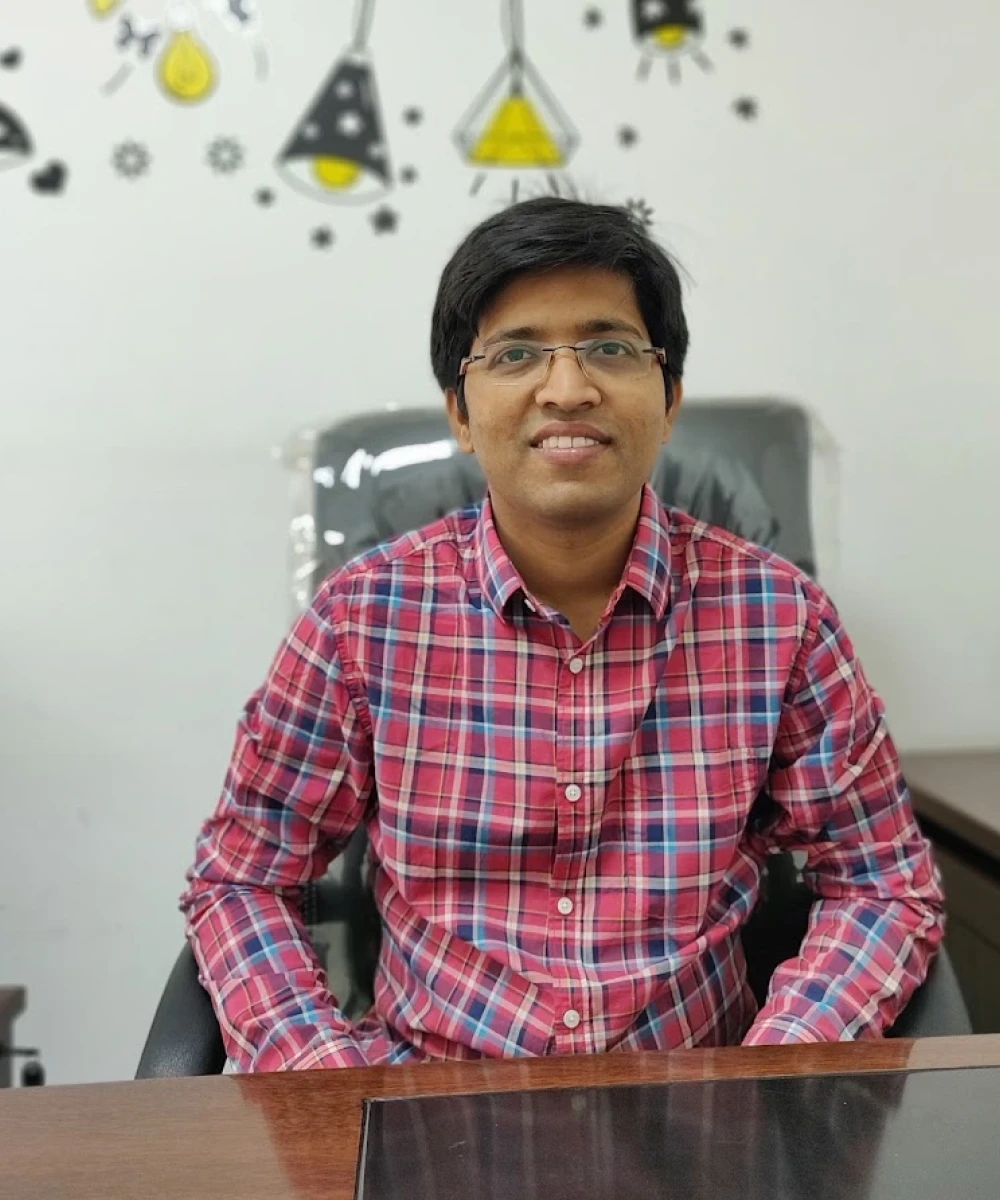
BDS, MDS · Orthodontist
Dr Shrikant completed BDS at Rural Dental College, Loni, and MDS in Orthodontics and Dentofacial Orthopaedics at M.G.V. Dental College, Nashik. He focuses on bite and alignment concerns.
His input is available when tooth position affects the plan.
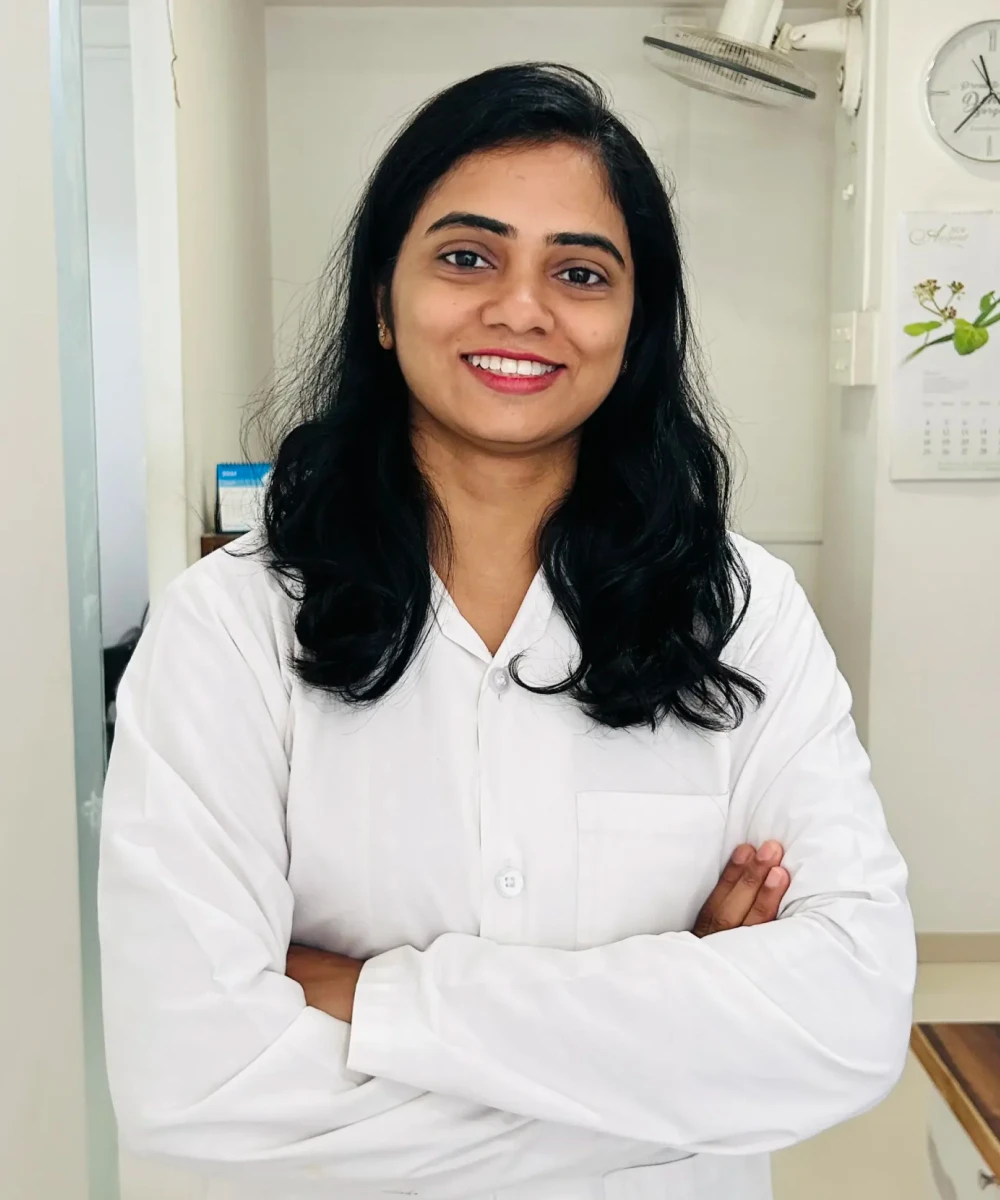
BDS, MDS · Endodontist
Dr Archana completed BDS at Rural Dental College, Loni, and MDS in Conservative Dentistry and Endodontics at SMBT Dental College, Sangamner. She received a Maharashtra University of Health Sciences gold medal and has taught as an assistant professor.
She assesses symptoms, tooth structure and restorative needs before recommending care.
The relevant dentist leads your plan, with coordinated support when needed.
“Outstanding experience getting my implant for front teeth done here. The caps looks completely natural and fit properly. I also got root canals for back teeth.Highly recommend Dr Archana and her skilled work!”
“Excellent experience! I visited for a cracked molar, and Dr. Archana did an outstanding job over two appointments. Before beginning treatment, she clearly explained the process, why two visits were necessary, and the importance of allowing time to assess the results before my upcoming travel. …”
“I am visiting sai multispeciality dental clinic after searching so many clinic and finally I am very happy that I selected sai multispeciality dental clinicdentist in pune for my treatment.I am completely satisfied with my root canal treatment and dental crown . …”
“Very experienced and soft spoken doctors. I’ve had a very nice experience whenever I came here.”
The rating below is the overall Google rating for the clinic, not a rating for Dentures. These are 5-star Google reviews chosen for relevance to this page, shown as written. A longer review may be shortened at the end of a sentence, and the link opens the full review. Reviews describe individual experiences and do not predict the result of your treatment.
Find us in Alacrity Commercial Complex near Bitwise Terratower, Mohan Nagar, Baner.
Sai Multi Speciality Dental Clinic, Baner
Shop no 101, Alacrity Commercial Complex, near Bitwise Terratower, Mohan Nagar Co-Op Society, Baner, Pune, Maharashtra 411045, India
+91 70203 80193
WhatsApp +91 70203 80193
| Monday–Saturday | 10:00 am–1:00 pm 4:00 pm–9:00 pm |
|---|---|
| Sunday | Closed |
Please call before travelling on public holidays.
Call before travelling to confirm the schedule and any access requirements.
They are usually removed overnight unless your dentist gives different instructions. Removing them allows tissues to rest and provides time for cleaning and careful storage.
Remove and clean them over water or a soft surface to reduce breakage risk. Use the method advised for the material and clean your gums, tongue and remaining teeth separately.
Gums and jawbone change after tooth loss, and the denture can also wear. Assessment determines whether adjustment, reline, replacement or implant support is appropriate.
Some fractures or lost teeth can be repaired after the cause is assessed. Bring all pieces and do not use household glue, which can prevent accurate repair.
Eating usually improves with practice, but dentures do not reproduce natural-tooth efficiency. Begin with manageable foods, chew as instructed and report persistent instability or pain.
Most people need several weeks to adjust to speaking and eating. Sore spots are common at first and are usually eased by small adjustments, so return for review rather than wearing a denture that rubs.
The gums and jawbone change over the years, so dentures often need relining or replacement for fit and bite. The dentist checks the fit at reviews and advises when an adjustment or a new set is appropriate.
An examination remains necessary even when your concern sounds similar to a common dental problem.
Tell us what you have noticed and whether the concern is routine, uncomfortable or urgent.
If you are unsure about extractions, a complete denture or implant support, bring the proposed plan and existing appliances. We can review whether teeth can be retained and compare removable and fixed alternatives.
We confirm appointment requests after checking availability.
Related care depends on the diagnosis, treatment sequence and long-term maintenance needs.
