Home desensitising care
May suit: Confirmed mild sensitivity without untreated structural disease. Timeline: Daily use over the advised period with review.
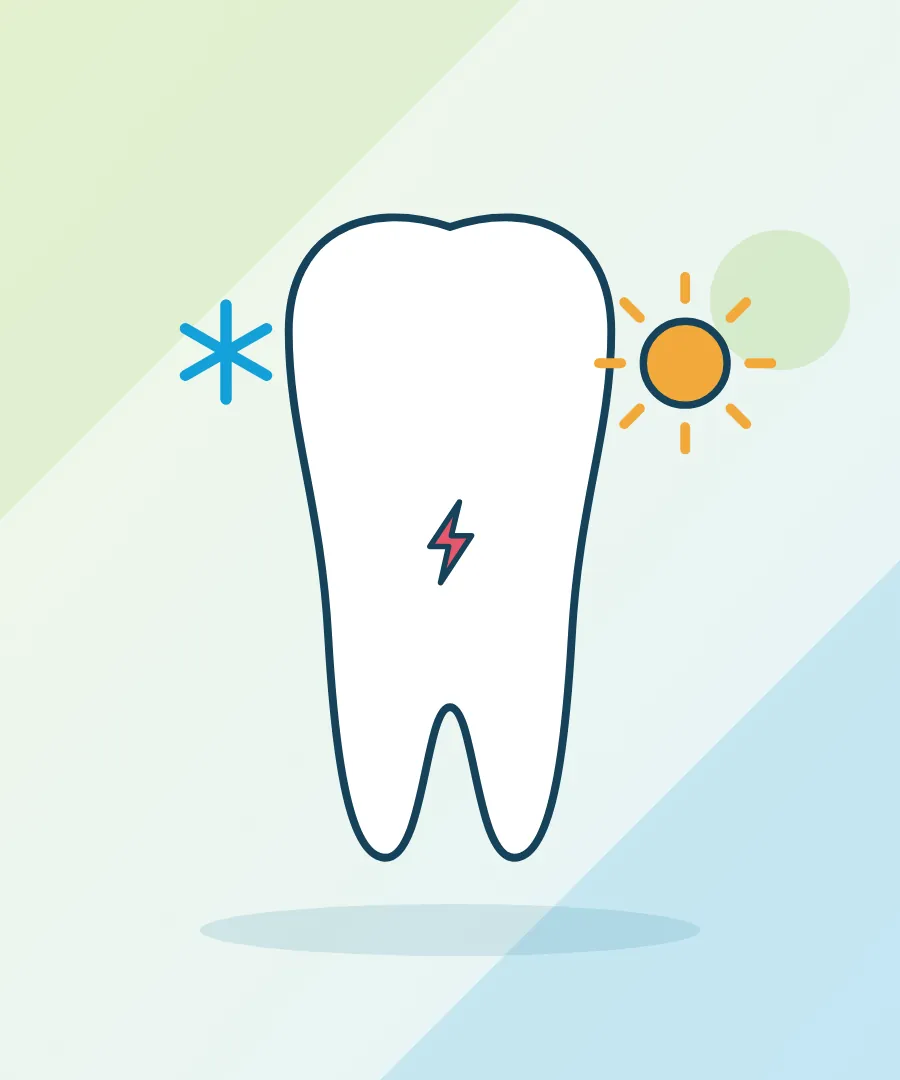
Sensitive teeth may produce a short, sharp response to cold, heat, sweetness, acidity, touch or air. Exposed dentine is one possible cause, but decay, cracks, worn fillings, gum recession, erosion and pulp disease can feel similar.
At Sai Multi Speciality Dental Clinic, Baner, the dental team examines the pattern, tooth surfaces, gums, restorations and bite before recommending desensitising care, restoration, gum treatment or another diagnosis-led option.
Clinically reviewed by Dr Archana Satpute and Dr Shrikant Gadakh, both dentists at the clinic. Last reviewed 16 October 2026.
Dentine hypersensitivity usually causes brief, sharp pain when exposed dentine responds to a trigger. Pain that lingers, starts spontaneously or affects one damaged tooth may point to another condition and needs diagnosis.
Enamel covers the crown and cementum covers the root. When dentine loses this protection, microscopic tubules can transmit a trigger toward the inner tooth, producing sensitivity. [1]
Recession, acidic wear, abrasive brushing, grinding, whitening products, a recent dental procedure, decay or a crack can contribute. Several causes can exist at the same time, so treatment is not based on the word “sensitivity” alone.
A short response that stops when the trigger ends differs from lingering heat or cold pain, spontaneous aching or pain on biting. Those patterns can change the urgency and may require restorative or endodontic assessment rather than desensitising products alone.
Patients also search for this as tooth sensitivity, teeth that hurt with cold, sensitive teeth to hot and cold or dentine sensitivity. If you have sensitive teeth in Baner, the dentist checks for worn enamel, receding gums, decay, cracks and grinding, and explains how the cause decides the treatment. Related reading: fluoride treatment.
The right treatment starts with identifying the condition and the least extensive suitable option.
Suitability depends on examination findings, not symptoms or appearance alone.
Dentine becomes exposed through gum recession, enamel loss, wear or a structural defect. The dentist also checks habits, diet, dry mouth, oral hygiene, whitening use and recent treatment because controlling the cause improves the chance that symptom-focused care will help. [2]
May suit: Confirmed mild sensitivity without untreated structural disease. Timeline: Daily use over the advised period with review.
May suit: A local defect, exposed root or recession needing professional care. Timeline: One or more visits depending on the cause.
May suit: Decay, crack, failing filling or persistent pulp-related symptoms. Timeline: Diagnosis-led treatment and follow-up.
Want to talk this through before you book? Our team can answer questions about sensitive teeth by phone or WhatsApp.
The condition, remaining support and long-term maintenance needs determine the appropriate option.
Identify which teeth respond and how long pain lasts.
Check recession, wear, decay, cracks and restorations.
Discuss brushing pressure, acids, grinding and whitening products.
Compare cold, air, bite or pulp responses when indicated.
Address both the symptom and its underlying cause.
Care moves from diagnosis and planning to treatment, checks and maintenance.
An assessment may lead to home-care advice, an in-clinic application or a restorative plan. Improvement from desensitising toothpaste is usually assessed over time rather than after one use. Further visits depend on whether recession, wear, decay, a crack or pulp disease is found.
Visit numbers depend on diagnosis, complexity, preliminary care and review needs.
A focused air or cold test may briefly reproduce the symptom so teeth can be compared. Tell us exactly when the sensation stops. The test should be limited to the information needed and does not commit you to treatment.
Tell us about anxiety, sensitivity, previous difficult dental experiences or medical concerns before care begins. We can explain each stage, agree on a stop signal and pause when clinically appropriate.
Comfort planning begins with knowing what you feel and agreeing how we communicate during care.
Follow the method and duration explained for the selected product.
Use a soft brush without aggressive scrubbing at the gum margin.
Limit frequent acidic drinks and avoid holding them around teeth.
Lingering, spontaneous or biting pain needs reassessment.
Follow the advice for your specific procedure and contact us when symptoms worsen instead of settling.
A desensitising product cannot repair a cavity, seal a significant crack or treat infected pulp. Recession and enamel loss may not reverse. Symptoms can recur if acid exposure, grinding, brushing trauma or another cause continues, and some cases need periodontal, restorative or endodontic care. [3]
Medical history, medicines, ability to tolerate care and the feasibility of long-term maintenance are considered before elective treatment.
Sensitivity is common and often harmless, but it can also signal decay, a cracked tooth or gum recession that needs treatment. Whitening and some toothpastes can make it worse. Call the clinic for sensitivity that lingers, wakes you at night or affects one tooth only.
Not sure whether sensitive teeth applies to you? Call or message the clinic and we will explain the next step.
We recommend treatment only when the expected benefit and maintainability justify proceeding.
Bring the toothpaste or whitening product you use and describe the triggers, duration and teeth involved. We review diet, brushing, grinding, recent procedures and medical factors such as dry mouth before testing selected sites.
Before you decide, we explain the likely benefits, material risks, alternatives and consequences of delay. You can take time to consider elective treatment.
Symptoms are clues rather than a diagnosis. We record where the problem is felt, when it began, what triggers it, how long it lasts and whether sleep, chewing or daily activity is affected. The painful or visible area is compared with nearby teeth, gums, bite and jaw because discomfort can be referred from another site.
Tests and imaging are selected to answer a clinical question. Depending on the concern, this may include checking cold response, bite tenderness, mobility, gum measurements, cracks, restorations or a focused dental X-ray. No single test is interpreted in isolation, and normal-looking surfaces do not rule out deeper disease.
The initial aim is to identify urgency and cause, then discuss reasonable choices. Temporary symptom relief is not a substitute for definitive care when decay, infection, fracture or failing support is present. If findings are uncertain, review, additional imaging or referral may be safer than irreversible treatment.
The first visit establishes the diagnosis, priorities and a treatment plan specific to you.
Your care is planned by the dentist whose training matches the treatment, with coordinated support when more than one speciality is involved.

BDS, MDS · Orthodontist
Dr Shrikant completed BDS at Rural Dental College, Loni, and MDS in Orthodontics and Dentofacial Orthopaedics at M.G.V. Dental College, Nashik. He focuses on bite and alignment concerns.
His input is available when tooth position affects the plan.
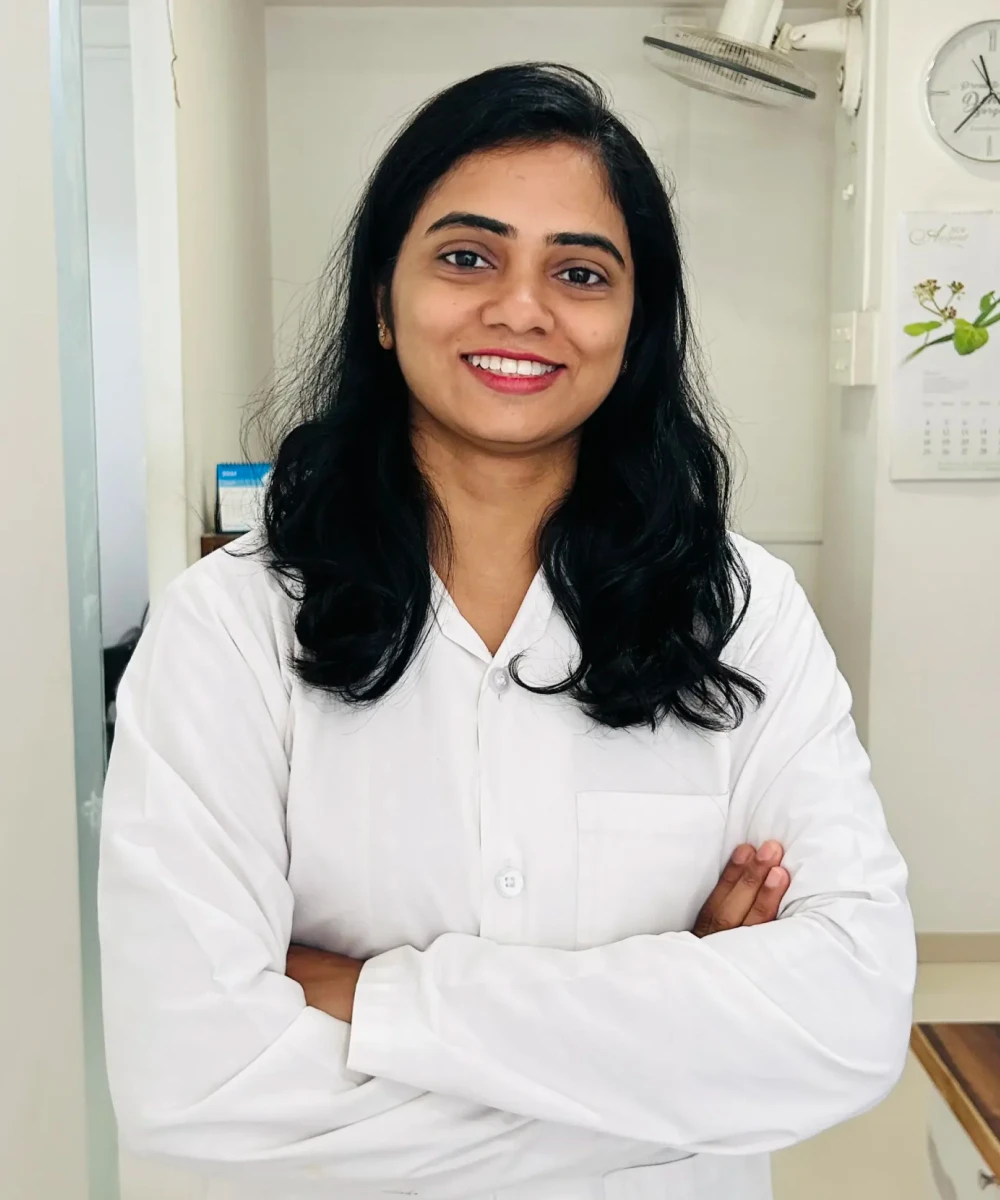
BDS, MDS · Endodontist
Dr Archana completed BDS at Rural Dental College, Loni, and MDS in Conservative Dentistry and Endodontics at SMBT Dental College, Sangamner. She received a Maharashtra University of Health Sciences gold medal and has taught as an assistant professor.
She assesses symptoms, tooth structure and restorative needs before recommending care.
The relevant dentist leads your plan, with coordinated support when needed.
“Had a great experience with the dental treatment. The doctor was professional, gentle, and explained everything clearly. The clinic was clean and well-equipped, and the staff was very friendly. …”
“My teeth were so sensitive and there was cavity so my friend suggested me about this clinic and my experience was awesome doctors are so helpful they provided treatment with care and love”
“I had a good experience at this dental clinic. The dentist Dr Archana Satpute is friendly in nature and knowledgeable too. She had taken the time to explain every step of the procedure. …”
“Very good hand of doctor archana. Didnt feel the pain of RC. The process was well explained .”
The rating below is the overall Google rating for the clinic, not a rating for Sensitive Teeth. These are 5-star Google reviews chosen for relevance to this page, shown as written. A longer review may be shortened at the end of a sentence, and the link opens the full review. Reviews describe individual experiences and do not predict the result of your treatment.
Find us in Alacrity Commercial Complex near Bitwise Terratower, Mohan Nagar, Baner.
Sai Multi Speciality Dental Clinic, Baner
Shop no 101, Alacrity Commercial Complex, near Bitwise Terratower, Mohan Nagar Co-Op Society, Baner, Pune, Maharashtra 411045, India
+91 70203 80193
WhatsApp +91 70203 80193
| Monday–Saturday | 10:00 am–1:00 pm 4:00 pm–9:00 pm |
|---|---|
| Sunday | Closed |
Please call before travelling on public holidays.
Call before travelling to confirm the schedule and any access requirements.
Cold may reach exposed dentine through open tubules, but decay, cracks, restorations and pulp conditions can also cause cold pain.
Response varies and repeated use is usually needed. Follow the product and dentist’s advice, then review persistent symptoms.
Aggressive technique can contribute to gum recession or surface wear, although other factors may also be involved.
Temporary sensitivity can occur, but severe, persistent or localised symptoms should be assessed and further whitening paused.
Usually not. Root canal treatment is considered only when pulp diagnosis and other findings justify it.
A desensitising toothpaste used twice a day, a soft brush with light pressure, and avoiding very acidic or very cold items can help. If sensitivity does not ease in a couple of weeks, the dentist looks for a cause that needs treatment.
Yes. Cold or sweet sensitivity can come from early decay or a worn filling. A short sharp pain that settles quickly is common, while pain that lingers for minutes or occurs on biting needs an examination.
An examination remains necessary even when your concern sounds similar to a common dental problem.
Tell us what you have noticed and whether the concern is routine, uncomfortable or urgent.
Bring images and details of proposed gum, restorative or root canal treatment. We can review whether the symptom pattern and findings support that approach or a conservative trial first.
We confirm appointment requests after checking availability.
Related care depends on the diagnosis, treatment sequence and long-term maintenance needs.
