Daily hygiene correction
May suit: Tongue coating or plaque without untreated advanced disease. Timeline: A consistent routine followed by review.
Bad breath can be temporary after food, tobacco or waking, or persistent because of tongue coating, plaque, gum disease, decay, infection, dry mouth or an unclean appliance. Some non-dental conditions can also contribute.
At Sai Multi Speciality Dental Clinic, Baner, we assess teeth, gums, tongue, saliva, dentures or appliances and daily cleaning before recommending cause-specific dental care or medical evaluation.
Clinically reviewed by Dr Archana Satpute and Dr Shrikant Gadakh, both dentists at the clinic. Last reviewed 16 October 2026.
Persistent bad breath is usually assessed by examining oral hygiene, tongue coating, gum health, decay, infection, saliva and appliances. Mouthwash can temporarily change odour but cannot repair an untreated dental cause.
Bacteria on the tongue and around teeth break down debris and can release odorous compounds. Plaque, periodontal pockets, cavities, infected teeth, dry mouth and dentures that are not cleaned or removed as advised can increase the problem. [1]
Strong foods, tobacco, alcohol, fasting and dehydration can cause or worsen odour. Tonsil, sinus, reflux and other medical conditions are considered when a thorough dental assessment does not identify an oral source.
Chewing gum without sugar or a suitable rinse may help temporarily, especially with dry mouth, but persistent symptoms require cleaning and disease assessment. Harsh products or aggressive tongue scraping can irritate tissues without resolving the cause.
Patients also search for this as halitosis, mouth odour, smelly breath or persistent bad breath. If you have bad breath in Baner, the dentist checks for plaque, gum disease, decay, a coated tongue and dry mouth, and explains whether the cause is dental or needs a review with a physician.
The right treatment starts with identifying the condition and the least extensive suitable option.
Suitability depends on examination findings, not symptoms or appearance alone.
The mouth is checked first because tongue coating, plaque, gum disease, decay, infection, reduced saliva and appliances are common and treatable contributors. If these are controlled and odour persists, coordination with a physician or relevant dentist may be appropriate. [2]
May suit: Tongue coating or plaque without untreated advanced disease. Timeline: A consistent routine followed by review.
May suit: Decay, infection, deposits, gum disease or appliance problems. Timeline: Treatment and reassessment based on findings.
May suit: Reduced saliva or no adequate oral explanation after assessment. Timeline: Risk review, supportive care and appropriate referral.
Want to talk this through before you book? Our team can answer questions about bad breath by phone or WhatsApp.
The condition, remaining support and long-term maintenance needs determine the appropriate option.
Review timing, duration, diet, tobacco and who notices the odour.
Check tongue, gums, teeth, saliva and appliances.
Measure inflammation and pockets where indicated.
Consider dry mouth, medicines, fasting and cleaning methods.
Address oral causes, then coordinate medical review if needed.
Care moves from diagnosis and planning to treatment, checks and maintenance.
The first visit focuses on identifying oral disease and modifiable contributors. Professional cleaning or restorative treatment may need separate appointments. A period of improved hygiene and dry-mouth care can be followed by reassessment before concluding that a non-dental source is likely.
Visit numbers depend on diagnosis, complexity, preliminary care and review needs.
Bad breath is common and is handled as a health concern, without judgement. Give an honest account of tobacco, diet, fasting, medicines, denture use and home care because these details make the assessment more useful.
Tell us about anxiety, sensitivity, previous difficult dental experiences or medical concerns before care begins. We can explain each stage, agree on a stop signal and pause when clinically appropriate.
Comfort planning begins with knowing what you feel and agreeing how we communicate during care.
Brush twice daily with fluoride toothpaste.
Use a gentle method suited to your mouth.
Clean dentures and remove them at night unless advised otherwise.
Hydration and dry-mouth advice depend on your health and medicines.
Follow the advice for your specific procedure and contact us when symptoms worsen instead of settling.
Dental treatment cannot resolve every cause. Persistent symptoms after oral disease and hygiene factors are addressed can warrant medical assessment. Breath gadgets and self-smell tests are not reliable diagnostic tools, and repeated masking may delay identification of gum disease, decay or infection. [3]
Medical history, medicines, ability to tolerate care and the feasibility of long-term maintenance are considered before elective treatment.
Bad breath is usually caused by bacteria on the teeth, gums and tongue, but it can also come from infection, dry mouth, smoking, certain foods and, less often, conditions in the nose, throat or stomach. Mouthwash can mask the smell but does not treat the cause. Call the clinic if bad breath persists despite careful cleaning, or comes with bleeding gums or a bad taste.
Not sure whether bad breath applies to you? Call or message the clinic and we will explain the next step.
We recommend treatment only when the expected benefit and maintainability justify proceeding.
Describe when the problem is strongest, who notices it, your cleaning routine, denture or retainer use, dry-mouth symptoms, tobacco, alcohol, diet, fasting and medicines. Avoid strongly scented products immediately before the visit when practical.
Before you decide, we explain the likely benefits, material risks, alternatives and consequences of delay. You can take time to consider elective treatment.
Symptoms are clues rather than a diagnosis. We record where the problem is felt, when it began, what triggers it, how long it lasts and whether sleep, chewing or daily activity is affected. The painful or visible area is compared with nearby teeth, gums, bite and jaw because discomfort can be referred from another site.
Tests and imaging are selected to answer a clinical question. Depending on the concern, this may include checking cold response, bite tenderness, mobility, gum measurements, cracks, restorations or a focused dental X-ray. No single test is interpreted in isolation, and normal-looking surfaces do not rule out deeper disease.
The initial aim is to identify urgency and cause, then discuss reasonable choices. Temporary symptom relief is not a substitute for definitive care when decay, infection, fracture or failing support is present. If findings are uncertain, review, additional imaging or referral may be safer than irreversible treatment.
The first visit establishes the diagnosis, priorities and a treatment plan specific to you.
Your care is planned by the dentist whose training matches the treatment, with coordinated support when more than one speciality is involved.

BDS, MDS · Orthodontist
Dr Shrikant completed BDS at Rural Dental College, Loni, and MDS in Orthodontics and Dentofacial Orthopaedics at M.G.V. Dental College, Nashik. He focuses on bite and alignment concerns.
His input is available when tooth position affects the plan.
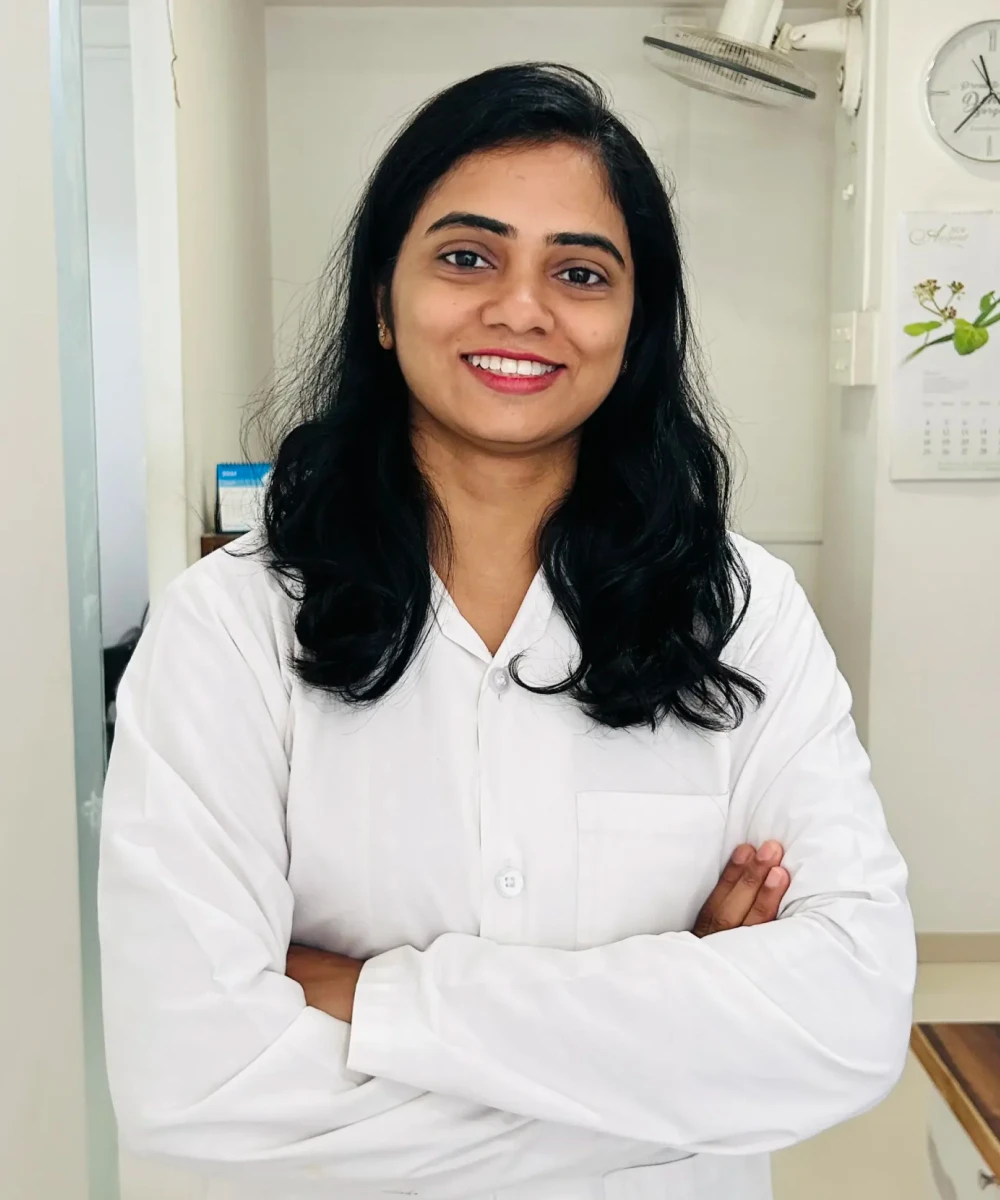
BDS, MDS · Endodontist
Dr Archana completed BDS at Rural Dental College, Loni, and MDS in Conservative Dentistry and Endodontics at SMBT Dental College, Sangamner. She received a Maharashtra University of Health Sciences gold medal and has taught as an assistant professor.
She assesses symptoms, tooth structure and restorative needs before recommending care.
The relevant dentist leads your plan, with coordinated support when needed.
“It is very nice experience. I had come from Baner due to a prior cleaning work done nicely at Sai Dental clinic. Dr. Archana is very soft spoken and highly knowledgeable. I was suffering from immense toothache. She did her thorough analysis and after regular sittings fixed the problem without the need for uprooting my tooth. I am grateful for her efforts and the efforts of her entire team. The team is prompt in following up and also appointment time is given based on availability of both the patient and the doctor so the waiting time is reduced. I appreciate this system.”
“Great staff and very helpful people who communicate with absolute clarity. Both the doctors (Dr Archana and her associate) are very knowledgeable and polite. Would recommend not to judge the clinic by its location. It has all the facilities. I did scaling and molar tooth extraction. …”
“Very good and professional service. We did tooth cleaning and Dr Archana was very professional and helped us immensely. Definitely recommended.”
“Great experience on teeth cleaning. The process was very smooth, very patient. I was also advised regarding potential sensations I could come across in the process. After cleaning process, I was shown my teeth and I found it to be very satisfactorily clean. It was great experience as my first time dental treatment.”
The rating below is the overall Google rating for the clinic, not a rating for Bad Breath. These are 5-star Google reviews chosen for relevance to this page, shown as written. A longer review may be shortened at the end of a sentence, and the link opens the full review. Reviews describe individual experiences and do not predict the result of your treatment.
Find us in Alacrity Commercial Complex near Bitwise Terratower, Mohan Nagar, Baner.
Sai Multi Speciality Dental Clinic, Baner
Shop no 101, Alacrity Commercial Complex, near Bitwise Terratower, Mohan Nagar Co-Op Society, Baner, Pune, Maharashtra 411045, India
+91 70203 80193
WhatsApp +91 70203 80193
| Monday–Saturday | 10:00 am–1:00 pm 4:00 pm–9:00 pm |
|---|---|
| Sunday | Closed |
Please call before travelling on public holidays.
Call before travelling to confirm the schedule and any access requirements.
Tongue coating, gum disease, decay, infection, dry mouth, appliances or non-dental factors may remain despite brushing.
It may reduce or mask odour temporarily, but it does not replace cleaning or treatment of an underlying cause.
Yes. Reduced saliva can allow debris and odorous compounds to remain, and it can increase dental disease risk.
Self-assessment is unreliable. A trusted person and a dental examination can provide more useful information.
If dental and hygiene causes have been assessed and controlled but symptoms persist, medical review may be appropriate.
Lick the back of your wrist, let it dry and smell it, or smell dental floss used between the back teeth. These are rough checks, and a dentist or trusted person can give a better view. Persistent odour needs an examination.
Often yes. Bacteria collect on the back of the tongue and contribute to odour, so gently cleaning it with a brush or scraper once a day can help. It works better with daily cleaning between the teeth and regular dental visits.
An examination remains necessary even when your concern sounds similar to a common dental problem.
Tell us what you have noticed and whether the concern is routine, uncomfortable or urgent.
Bring periodontal records, X-rays and details of cleaning or restorative care already completed. We can review whether an oral cause remains and what evidence supports medical referral.
We confirm appointment requests after checking availability.
Related care depends on the diagnosis, treatment sequence and long-term maintenance needs.
