Conservative self-management
May suit: Short-duration muscle or joint symptoms without red flags. Timeline: Education, habit reduction and review over time.
Jaw pain can involve the temporomandibular joints, chewing muscles, teeth, gums or referred pain from nearby structures. Clicking without pain is common, while pain, locking, limited opening or a changed bite needs individual assessment.
At Sai Multi Speciality Dental Clinic, Baner, we review the pain pattern, jaw movement, muscles, joints, teeth and bite, then discuss conservative care or referral when symptoms suggest a condition outside routine dental management.
Clinically reviewed by Dr Archana Satpute and Dr Shrikant Gadakh, both dentists at the clinic. Last reviewed 16 October 2026.
Jaw pain is not automatically a “TMJ problem.” Dental infection, tooth pain, trauma, muscle pain and other medical conditions can overlap. Diagnosis begins with history and examination, and many temporomandibular symptoms are managed conservatively.
Temporomandibular disorders include conditions affecting the joints, chewing muscles and associated headaches. Symptoms can include pain near the ear, facial pain, stiffness, limited opening, locking or painful clicking. [1]
Tooth infection, wisdom-tooth inflammation, sinus disease, salivary-gland problems, neuralgic pain and other medical causes can feel like jaw pain. The dentist checks for dental sources and refers when the pattern falls outside dental scope.
Clicking or popping alone is common. Treatment is considered when pain, dysfunction or progression affects the patient. Irreversible bite changes or surgery should not be the routine first response to undiagnosed jaw pain.
Patients also search for this as jaw joint pain, TMJ pain, TMD, jaw clicking or pain when opening the mouth. If you have jaw pain in Baner, the dentist examines the jaw joint, muscles and bite, asks about grinding and stress, and explains whether the cause is dental, muscular or needs a medical review. Related reading: dental check-up, orthodontics and braces.
The right treatment starts with identifying the condition and the least extensive suitable option.
Suitability depends on examination findings, not symptoms or appearance alone.
Jaw symptoms can involve more than one tissue and may coexist with headaches, sleep disturbance or widespread pain. Stress and clenching can influence symptoms without being the only cause. A careful differential diagnosis reduces unnecessary irreversible treatment. [2]
May suit: Short-duration muscle or joint symptoms without red flags. Timeline: Education, habit reduction and review over time.
May suit: Pain traced to a tooth, gum, wisdom tooth or bite trauma. Timeline: Cause-specific dental care and reassessment.
May suit: Persistent, complex, traumatic or non-dental pain patterns. Timeline: Coordinated imaging or further evaluation as indicated.
Want to talk this through before you book? Our team can answer questions about jaw pain by phone or WhatsApp.
The condition, remaining support and long-term maintenance needs determine the appropriate option.
Record location, duration, triggers, spread and associated symptoms.
Observe opening, closing, range, deviation, sounds and locking.
Assess tenderness and whether examination reproduces familiar pain.
Examine teeth, gums, bite and wisdom-tooth areas.
Avoid irreversible treatment until the diagnosis supports it.
Care moves from diagnosis and planning to treatment, checks and maintenance.
The first visit reviews dental and jaw sources and screens for red flags. Imaging is not automatic and depends on the suspected tissue and whether results would change management. Persistent or complex pain may need medical, oral-surgery or orofacial-pain referral.
Visit numbers depend on diagnosis, complexity, preliminary care and review needs.
Movement and gentle palpation may briefly reproduce familiar discomfort, which can help identify the tissue involved. The examination should remain within tolerable limits. Tell us about locking, trauma or severe pain before testing movement.
Tell us about anxiety, sensitivity, previous difficult dental experiences or medical concerns before care begins. We can explain each stage, agree on a stop signal and pause when clinically appropriate.
Comfort planning begins with knowing what you feel and agreeing how we communicate during care.
Limit clenching, nail biting and prolonged gum chewing.
Choose foods that reduce painful loading without prolonged restriction.
The choice depends on the assessed condition.
Record locking, swelling, fever, altered bite or neurological symptoms.
Follow the advice for your specific procedure and contact us when symptoms worsen instead of settling.
There is no single test for all temporomandibular disorders, and symptoms often fluctuate. Evidence does not support assuming that orthodontics or a “bad bite” causes TMD. Tooth adjustment, extensive reconstruction or surgery can create lasting change and needs a specific diagnosis and careful consent. [3]
Medical history, medicines, ability to tolerate care and the feasibility of long-term maintenance are considered before elective treatment.
Most jaw pain settles with simple measures, but jaw pain can also come from a dental infection, an arthritic joint, a locked jaw or, rarely, a heart problem. Call the clinic if the jaw locks, you cannot open fully or the pain follows an injury. Go to a hospital emergency department for chest pain, shortness of breath or swelling that spreads, and seek urgent help.
Not sure whether jaw pain applies to you? Call or message the clinic and we will explain the next step.
We recommend treatment only when the expected benefit and maintainability justify proceeding.
Describe where pain begins, what triggers it, whether the jaw locks or clicks, and any headaches, trauma, sleep issues or other pain conditions. Bring medicine details, previous splints and relevant dental or medical reports.
Before you decide, we explain the likely benefits, material risks, alternatives and consequences of delay. You can take time to consider elective treatment.
Symptoms are clues rather than a diagnosis. We record where the problem is felt, when it began, what triggers it, how long it lasts and whether sleep, chewing or daily activity is affected. The painful or visible area is compared with nearby teeth, gums, bite and jaw because discomfort can be referred from another site.
Tests and imaging are selected to answer a clinical question. Depending on the concern, this may include checking cold response, bite tenderness, mobility, gum measurements, cracks, restorations or a focused dental X-ray. No single test is interpreted in isolation, and normal-looking surfaces do not rule out deeper disease.
The initial aim is to identify urgency and cause, then discuss reasonable choices. Temporary symptom relief is not a substitute for definitive care when decay, infection, fracture or failing support is present. If findings are uncertain, review, additional imaging or referral may be safer than irreversible treatment.
The first visit establishes the diagnosis, priorities and a treatment plan specific to you.
Your care is planned by the dentist whose training matches the treatment, with coordinated support when more than one speciality is involved.
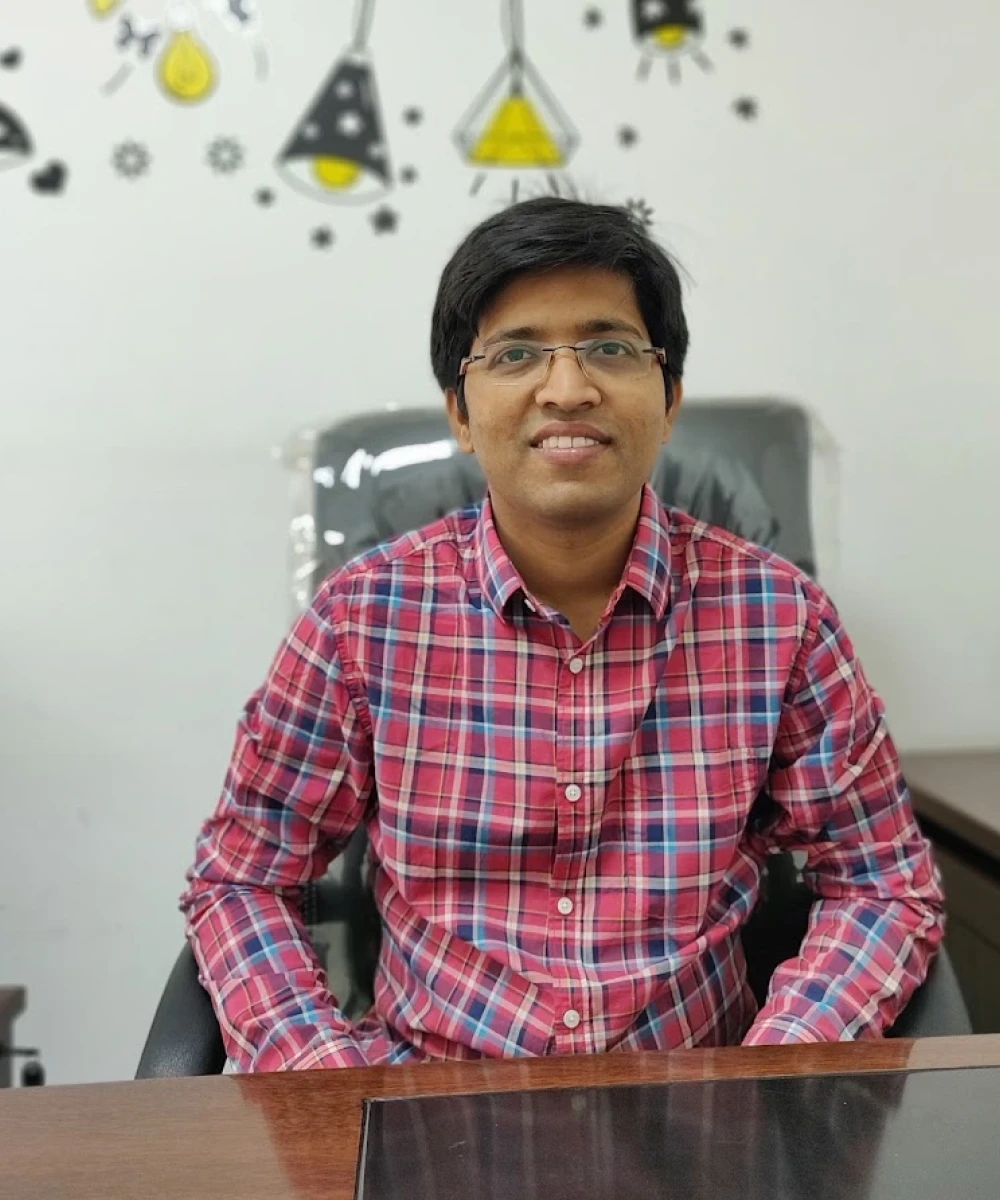
BDS, MDS · Orthodontist
Dr Shrikant completed BDS at Rural Dental College, Loni, and MDS in Orthodontics and Dentofacial Orthopaedics at M.G.V. Dental College, Nashik. He focuses on bite and alignment concerns.
His input is available when tooth position affects the plan.
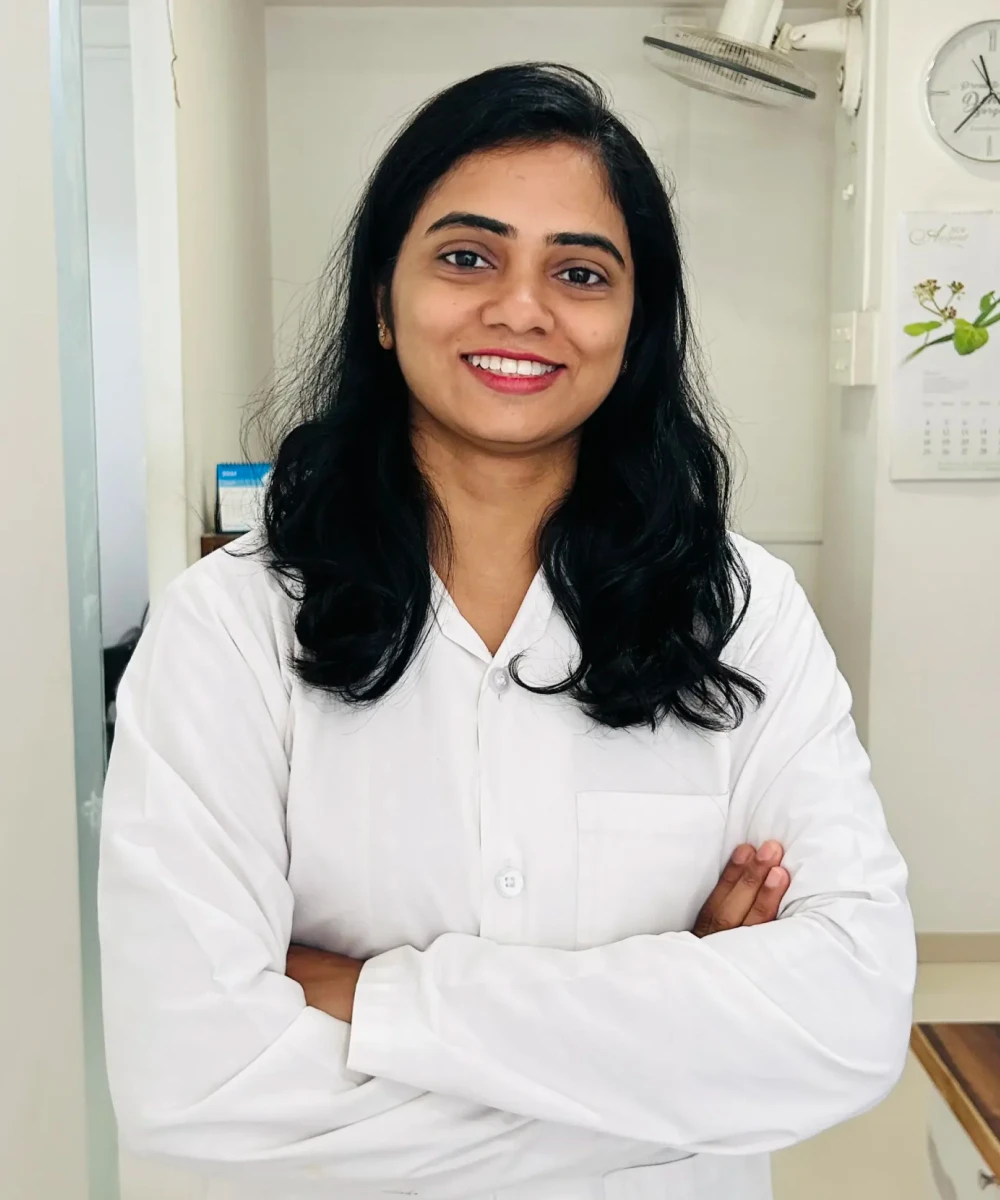
BDS, MDS · Endodontist
Dr Archana completed BDS at Rural Dental College, Loni, and MDS in Conservative Dentistry and Endodontics at SMBT Dental College, Sangamner. She received a Maharashtra University of Health Sciences gold medal and has taught as an assistant professor.
She assesses symptoms, tooth structure and restorative needs before recommending care.
The relevant dentist leads your plan, with coordinated support when needed.
“Had my wisdom tooth extraction surgery done by Dr. Archana and her team at Sai Multispeciality Dental Clinic, and the entire experience was very smooth and comfortable. I was honestly nervous before the procedure, but Dr. Archana explained everything patiently and made me feel relaxed. …”
“I had an amazing experience at Sai Dental Clinic. Dr. Archana and the rest of the staff are very supportive and warm. I did my wisdom tooth extraction and re-root canal. For both the procedures it was a very smooth experience and I highly recommend Sai Dental Clinic.”
“Very good hand of doctor archana. Didnt feel the pain of RC. The process was well explained .”
“The root canal treatment experience at Sai Multispeciality Dental Clinic was absolutely excellent. My wife did not feel any pain or discomfort during the treatment. The doctors and staff here are highly experienced and very helpful. The clinic maintains great cleanliness and discipline. We highly recommend this clinic!”
The rating below is the overall Google rating for the clinic, not a rating for Jaw Pain. These are 5-star Google reviews chosen for relevance to this page, shown as written. A longer review may be shortened at the end of a sentence, and the link opens the full review. Reviews describe individual experiences and do not predict the result of your treatment.
Find us in Alacrity Commercial Complex near Bitwise Terratower, Mohan Nagar, Baner.
Sai Multi Speciality Dental Clinic, Baner
Shop no 101, Alacrity Commercial Complex, near Bitwise Terratower, Mohan Nagar Co-Op Society, Baner, Pune, Maharashtra 411045, India
+91 70203 80193
WhatsApp +91 70203 80193
| Monday–Saturday | 10:00 am–1:00 pm 4:00 pm–9:00 pm |
|---|---|
| Sunday | Closed |
Please call before travelling on public holidays.
Call before travelling to confirm the schedule and any access requirements.
Clicking without pain or dysfunction is common and may not need treatment, but painful sounds or locking should be assessed.
Current evidence does not support a simple claim that malocclusion or orthodontic treatment causes TMD.
Stress and clenching can influence muscle symptoms, but other dental, joint and medical causes still need consideration.
Not always. Imaging is selected when the suspected tissue and clinical question justify it.
Major trauma, suspected fracture, airway difficulty, severe infection signs, chest pain or neurological symptoms needs urgent medical assessment.
Yes. Clenching or grinding, often during sleep, strains the jaw muscles and joints and can cause morning pain, headaches and worn teeth. A night guard, stress care and treating bite problems can help, and the dentist checks your teeth for signs of grinding.
Eat soft food, avoid wide yawning and gum chewing, apply a warm pack and rest the jaw. Gentle stretching may help as advised by your dentist. If pain lasts or the jaw locks, have it examined.
An examination remains necessary even when your concern sounds similar to a common dental problem.
Tell us what you have noticed and whether the concern is routine, uncomfortable or urgent.
Bring imaging, splints and the proposed bite adjustment, orthodontic or surgical plan. We can review the diagnosis, reversible options, dental causes and appropriate referral before irreversible care.
We confirm appointment requests after checking availability.
Related care depends on the diagnosis, treatment sequence and long-term maintenance needs.
