Risk control and maintenance
Who it may suit: For prevention, stable disease or continuing care after active treatment.
Visits and timing: Recall frequency follows current risk and response.
A periodontist focuses on gums and the tissues supporting teeth. Sai Multi Speciality Dental Clinic can assess gum symptoms and coordinate suitable care, but the clinic should confirm whether a periodontist is available for the requested appointment before the patient travels.
Confirm the treating clinician before booking.
The clinic information reviewed does not identify a named periodontist.
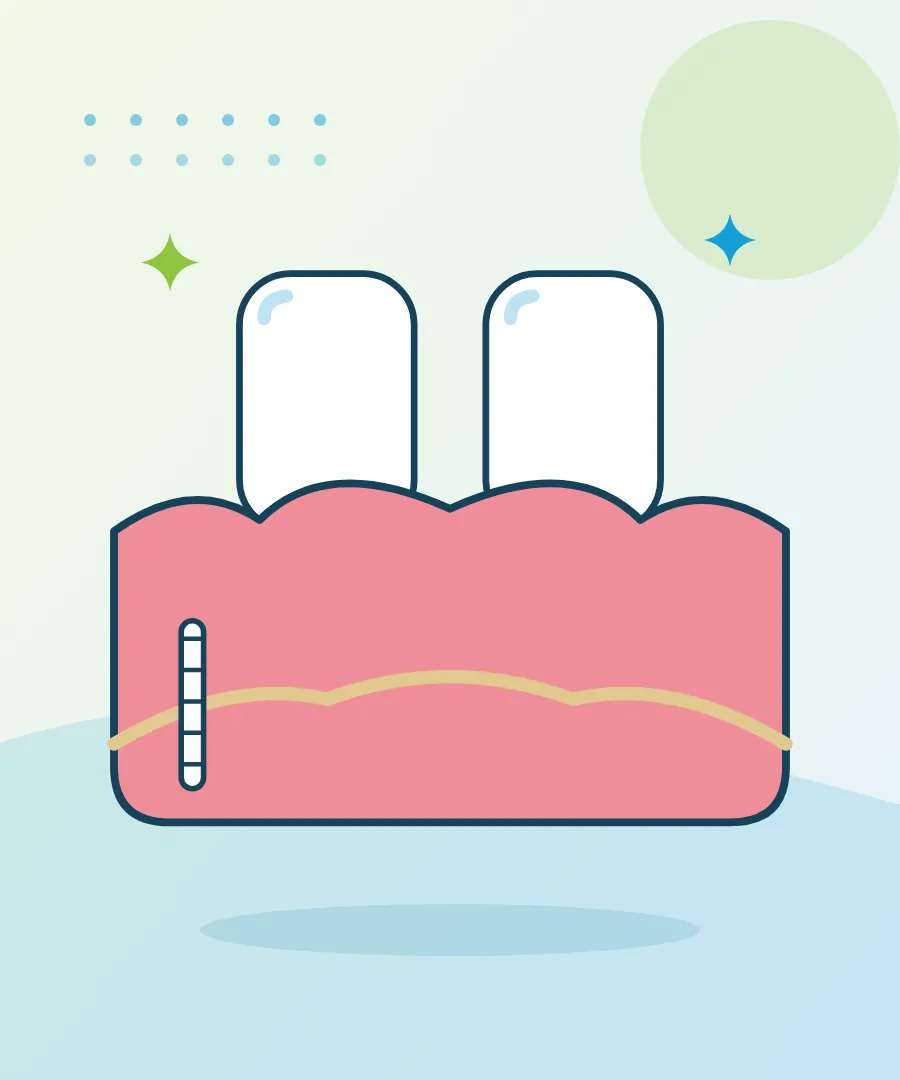
Clinically reviewed by Dr Archana Satpute and Dr Shrikant Gadakh, both dentists at the clinic. Last reviewed 16 October 2026.
Periodontology concerns the prevention, diagnosis and treatment of diseases affecting gums, periodontal ligament and supporting bone. It also includes selected gum and implant-support procedures. Bleeding gums do not establish severity by themselves; diagnosis considers inflammation, pocket measurements, attachment, recession, mobility, bone levels and risk factors. [1]
A periodontist focuses on gums and the tissues supporting teeth. Sai Multi Speciality Dental Clinic can assess gum symptoms and coordinate suitable care, but the clinic should confirm whether a periodontist is available for the requested appointment before the patient travels.
Patients also search for this as a gum dentist, a gum doctor near me or a dentist for gum disease and gum surgery. If you are looking for a periodontist in Baner, the clinic explains how it assesses gum disease, bleeding gums, recession and loose teeth, what it treats at the clinic and when it advises seeing a clinician with a periodontal qualification. Related reading: periodontal treatment.
The periodontist first defines the problem, then discusses appropriate options.
Advanced input may be considered for persistent bleeding, deep periodontal pockets, gum recession, loose teeth, bone loss, complex gum disease, furcation involvement, mucogingival concerns, implant inflammation or surgical planning. A general dental assessment may be the first step when the cause and severity are not yet known.
Patients may book directly or arrive after a referral. Bring information about when the concern began, what has changed and any previous treatment. A symptom list supports triage but cannot replace examination.
Arrange an assessment when the cause, urgency or treatment route is unclear.
The appointment reviews symptoms, cleaning, tobacco exposure, diabetes and other health factors, medicines, pregnancy status where relevant and previous gum treatment. Examination may include plaque and bleeding findings, pocket measurements, recession, mobility and bite. The clinic then explains whether routine care, deeper treatment or referral is appropriate.
You can ask what has been found, how certain the diagnosis is, whether further records are needed and what may happen if treatment is delayed or declined.
Want to talk this through before you book? Our team can answer questions about periodontist by phone or WhatsApp.
The first visit establishes diagnosis, priorities and the next reasonable step.
Periodontal charting and suitable radiographs can help record disease distribution and supporting bone. Photographs may document recession or soft-tissue changes. Tests are selected for a purpose, and older records can be useful for showing progression when their dates and measurement methods are clear. [2]
Records should be proportional to the clinical question. The periodontist explains why a test or image is being considered and how the result could affect the decision. Routine repetition without diagnostic value should be avoided.
When existing records are current and adequate, they may help compare plans or reduce duplication. New information may still be necessary if symptoms or the clinical condition have changed.
Useful records answer a defined question and support informed decisions.
Who it may suit: For prevention, stable disease or continuing care after active treatment.
Visits and timing: Recall frequency follows current risk and response.
Who it may suit: For selected gum disease requiring cleaning below the gumline and behaviour change.
Visits and timing: Often staged, then reassessed after healing.
Who it may suit: For complex pockets, recession, bone defects or implant-related disease.
Visits and timing: Requires confirmed periodontist availability and case-specific planning.
These pathways are examples rather than a menu that establishes suitability. The patient’s diagnosis, health, priorities, ability to maintain care and the consequences of each option shape the recommendation.
The least extensive maintainable option should be considered alongside active treatment.
Care begins with explanation of diagnosis and modifiable risks, followed by home-care instruction and non-surgical treatment when indicated. Healing is reassessed before surgery is considered. Teeth with advanced support loss require prognosis discussion, and extraction or restorative planning may need coordination with other clinicians.
Before elective care, the periodontist discusses expected benefit, material risks, reasonable alternatives, responsibilities and follow-up. Consent can be revisited when findings change or the plan needs modification.
Planning, consent and monitoring are parts of treatment, not administrative extras.
Gum treatment commonly involves assessment, one or more active-care visits and reassessment after tissue response can be judged. Maintenance continues according to disease risk and cleaning ability. The number of visits cannot be fixed before pocket distribution, deposits, medical risks and patient tolerance are known.
The clinic can provide a provisional sequence after assessment, but biological response and new findings can change it. Patients should know which visit is for diagnosis, active care, review or another clinician before scheduling travel and work commitments.
Keep the clinic informed about missed appointments, new symptoms or difficulty following instructions. Early communication can prevent a small interruption from becoming a larger treatment problem.
The number and timing of visits follow the clinical sequence rather than a fixed package.
Treatment can reduce inflammation and help control disease, but lost support is not always recoverable. Smoking, uncontrolled diabetes, plaque control, anatomy, disease severity and attendance influence response. Gum surgery or grafting does not ensure a particular contour or eliminate the need for maintenance. [3]
Expected results depend on diagnosis, disease severity, anatomy, health, patient cooperation, maintenance and factors outside a clinician’s control. A responsible page should not promise a precise outcome or describe periodontal care as without risk.
Alternatives can include monitoring, another type of dental treatment, referral or choosing not to proceed. The periodontist explains clinically important consequences of each reasonable route.
Balanced consent includes uncertainty and alternatives as well as potential benefit.
Gum inflammation can occur at different ages, while destructive periodontal disease patterns and risk factors vary. Children or teenagers with unusual attachment loss need appropriate further assessment. Older adults may have recession, dry mouth, medical conditions or restorations that complicate cleaning and prognosis.
Age informs planning, but clinical findings determine suitability.
Gum measurements and inflamed areas can feel tender. Tell the clinic about sensitivity, anxiety, medicines that affect bleeding and previous reactions. Local anaesthesia may be considered for treatment where appropriate, and procedures can be staged according to safety and tolerance.
Patients can ask for an explanation before each step, agree on a signal to pause and disclose previous reactions or communication needs. Comfort support should be individualised without making claims that every visit will be without symptoms.
Not sure whether periodontist applies to you? Call or message the clinic and we will explain the next step.
Clear expectations and communication support a safer, more manageable visit.
Call promptly for rapidly increasing gum or facial swelling, pus, fever, trauma, uncontrolled bleeding or sudden tooth mobility. Breathing or swallowing difficulty, spreading eye or neck swelling, major injury or severe systemic illness requires urgent medical care rather than waiting for a clinic message.
Call the clinic and describe severity, duration and associated symptoms. The clinic confirms whether an urgent dental appointment is available. An online message is not emergency monitoring.
Use dental triage for urgent oral concerns and emergency medical services for airway risk or severe illness.
Dr Archana and Dr Shrikant can identify gum findings relevant to restorative or orthodontic care, but neither should be presented as a periodontist. The clinic must confirm the appropriately qualified clinician for advanced periodontal treatment and coordinate timing before orthodontics, implants or extensive restoration.
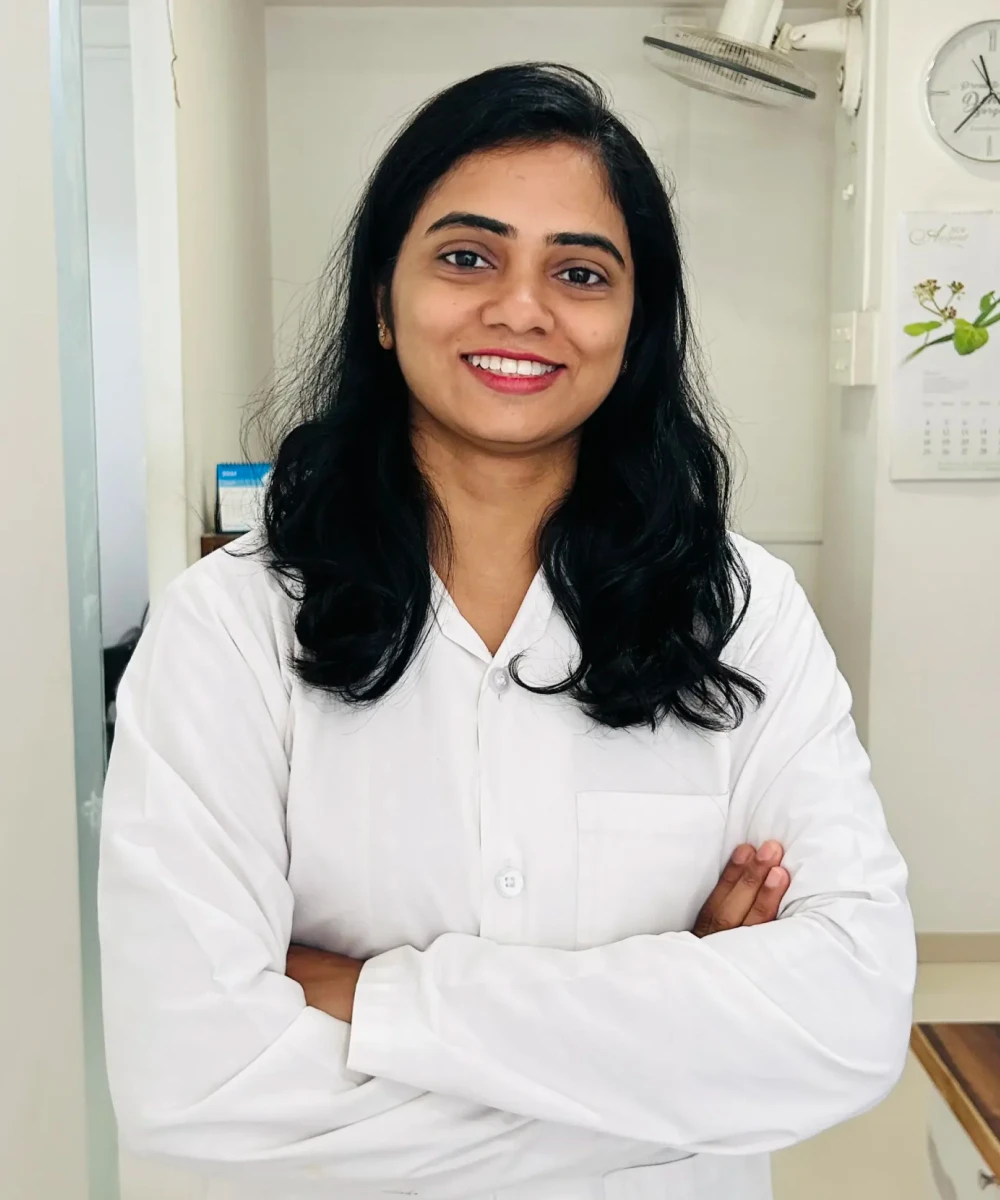
BDS, MDS · Conservative Dentistry and Endodontics
Provides assessment and coordination within her stated restorative and endodontic scope. She is not presented on this page as a periodontist.
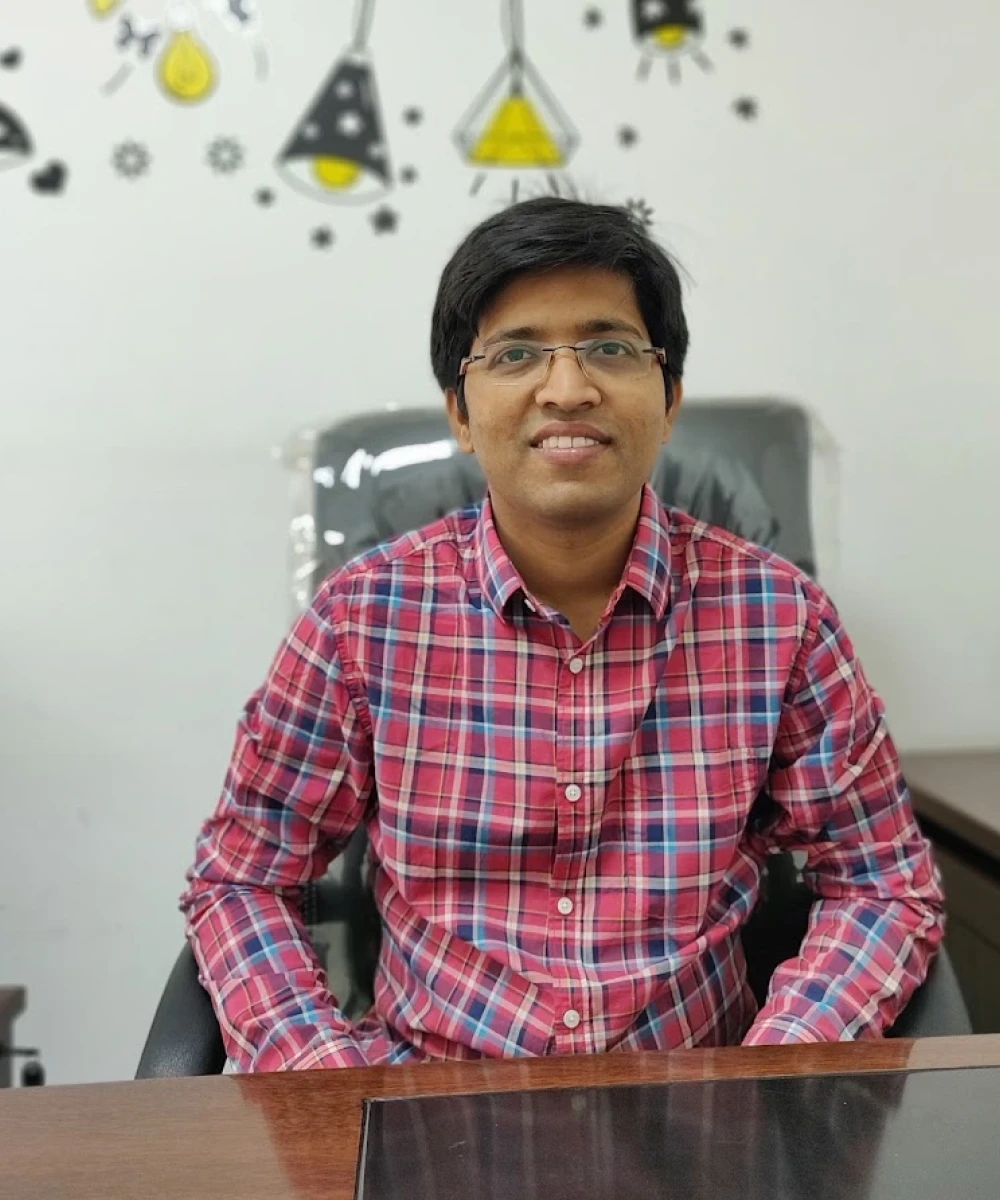
BDS, MDS · Orthodontics and Dentofacial Orthopaedics
Provides orthodontic and bite assessment within his stated scope. He is not presented on this page as a periodontist.
The clinician whose training fits each problem should lead that part of care.
“I had an absolutely wonderful experience at this clinic Dr.Archana is highly skilled and empathetic professional.she has done my teeth cleaning procedure smoothly it was a great experience I would recommend to my friends for sure thank u so much ma'am”
“My brother went for root canal. We were little worried because of all the things we hear about root canal, but it actually went very smoothly. Dr Archana was very gentle. He didn't have much pain during or after the treatment. Overall really nice experience.”
“Great experience doctor archana is very friendly it has been more than one year me and my friend visit to her everytime their team succed never gave a chance for disappointment very supportive thank you for such experience”
“Visiting Sai Dental Clinic from last 2 years, It was recommended by one of our Family doctors and has a great service experience. Dr Shrikant & Archana are absolutely professional and helpful Clinic is always clean and Hygiene is maintained”
The rating below is the overall Google rating for the clinic, not a rating for Periodontist. These are 5-star Google reviews chosen for relevance to this page, shown as written. A longer review may be shortened at the end of a sentence, and the link opens the full review. Reviews describe individual experiences and do not predict the result of your treatment.
Sai Multi Speciality Dental Clinic, Baner
Shop no 101, Alacrity Commercial Complex, near Bitwise Terratower, Mohan Nagar Co-Op Society, Baner, Pune, Maharashtra 411045, India
+91 70203 80193
WhatsApp the clinic
| Monday–Saturday | 10:00 am–1:00 pm 4:00 pm–9:00 pm |
|---|---|
| Sunday | Closed |
Confirm periodontist availability and public-holiday hours before travelling.
Periodontal appointments take place at the verified Mohan Nagar, Baner clinic.
No. Bleeding needs assessment, but severity depends on pocketing, attachment, bone levels, risk factors and response to initial care.
The official information reviewed does not identify a named periodontist. Confirm the treating clinician and qualification before booking periodontal care.
Yes. Active inflammation and inadequate support can alter orthodontic, implant and restorative planning.
No. The indication, depth, staging, anaesthesia and reassessment differ according to periodontal findings.
Yes. Bring existing periodontal measurements, images and the proposed plan for review.
If gums keep bleeding after careful cleaning, bleed without brushing, or you notice deep pockets, loose teeth or a persistent bad taste, a deeper assessment is advised. The dentist measures pockets and checks bone levels to decide on treatment.
Yes. Gum disease can make braces and implants less likely to succeed, because inflamed gums and bone loss weaken support. Gum health is usually checked and treated first, and kept under review throughout treatment.
The clinic confirms periodontist availability after reviewing the request and schedule.
