Maintain the space or use a removable option
Who it may suit: For selected cases where no replacement or a denture better fits health, anatomy or priorities.
Visits and timing: Review and adaptation depend on the chosen route.
An implant clinician assesses whether a dental implant is a reasonable way to replace one or more missing teeth. Sai Multi Speciality Dental Clinic can coordinate implant planning, but patients should confirm who will perform the surgical and restorative stages and the clinician’s relevant qualifications before treatment.
Confirm the treating clinician before booking.
The clinic information reviewed does not identify a named implantologist.

Clinically reviewed by Dr Archana Satpute and Dr Shrikant Gadakh, both dentists at the clinic. Last reviewed 16 October 2026.
Dental implant care combines surgical placement in bone with a restoration that replaces the visible tooth or teeth. Planning therefore involves the missing space, gums, bone, nearby anatomy, bite, health and maintenance. The person placing the implant and the person restoring it may be different clinicians, and responsibility for each stage should be clear. [1]
An implant clinician assesses whether a dental implant is a reasonable way to replace one or more missing teeth. Sai Multi Speciality Dental Clinic can coordinate implant planning, but patients should confirm who will perform the surgical and restorative stages and the clinician’s relevant qualifications before treatment.
Patients also search for this as an implant dentist, an implant surgeon or a dentist for dental implants. If you are looking for an implantologist in Baner, the clinic explains how implant treatment is planned and who carries out the surgical and restorative stages, and when a clinician with a different qualification is advised before you decide.
The implant dentist first defines the problem, then discusses appropriate options.
Implant assessment may be considered after loss of one tooth, several teeth or all teeth, or when a denture needs additional support. It does not establish suitability. Active gum disease, inadequate bone, uncontrolled health risks, smoking, bite forces, hygiene limitations or a poor restorative space can change the recommendation.
Patients may book directly or arrive after a referral. Bring information about when the concern began, what has changed and any previous treatment. A symptom list supports triage but cannot replace examination.
Arrange an assessment when the cause, urgency or treatment route is unclear.
The first visit reviews why the tooth was lost, medical conditions, medicines, tobacco use, gum health, remaining teeth, bite and expectations. Existing dentures or treatment plans should be brought along. The clinic explains which records and which surgical, restorative or periodontal clinicians need to contribute.
You can ask what has been found, how certain the diagnosis is, whether further records are needed and what may happen if treatment is delayed or declined.
Want to talk this through before you book? Our team can answer questions about implantologist by phone or WhatsApp.
The first visit establishes diagnosis, priorities and the next reasonable step.
Clinical examination and appropriate radiographs assess the site and adjacent teeth. Three-dimensional imaging may be advised through an appropriate provider when bone dimensions or anatomical structures need evaluation. A scan alone does not decide suitability; soft tissues, health, bite and the planned restoration also matter. [2]
Records should be proportional to the clinical question. The implant dentist explains why a test or image is being considered and how the result could affect the decision. Routine repetition without diagnostic value should be avoided.
When existing records are current and adequate, they may help compare plans or reduce duplication. New information may still be necessary if symptoms or the clinical condition have changed.
Useful records answer a defined question and support informed decisions.
Who it may suit: For selected cases where no replacement or a denture better fits health, anatomy or priorities.
Visits and timing: Review and adaptation depend on the chosen route.
Who it may suit: For selected spaces where a bridge is reasonable after evaluating adjacent teeth.
Visits and timing: Preparation, laboratory and fitting visits may be needed.
Who it may suit: For suitable patients after surgical and restorative assessment.
Visits and timing: Placement, healing, restoration and maintenance occur in stages.
These pathways are examples rather than a menu that establishes suitability. The patient’s diagnosis, health, priorities, ability to maintain care and the consequences of each option shape the recommendation.
The least extensive maintainable option should be considered alongside active treatment.
Planning starts with disease control and a restoration-led position for the implant. The treating team discusses surgical access, bone or soft-tissue needs, provisional replacement, healing and final restoration. Consent should name the clinician responsible for each stage and explain what happens if the preferred implant position or stability cannot be achieved.
Before elective care, the implant dentist discusses expected benefit, material risks, reasonable alternatives, responsibilities and follow-up. Consent can be revisited when findings change or the plan needs modification.
Planning, consent and monitoring are parts of treatment, not administrative extras.
Implant care commonly includes assessment, imaging, surgery, healing review, restorative records, fitting and maintenance. Additional grafting or treatment of infection can extend the sequence. Completion dates cannot be fixed from an online enquiry because healing, anatomy, component availability and clinical findings vary.
The clinic can provide a provisional sequence after assessment, but biological response and new findings can change it. Patients should know which visit is for diagnosis, active care, review or another clinician before scheduling travel and work commitments.
Keep the clinic informed about missed appointments, new symptoms or difficulty following instructions. Early communication can prevent a small interruption from becoming a larger treatment problem.
The number and timing of visits follow the clinical sequence rather than a fixed package.
Implants can lose bone or gum support, develop inflammation, fail to integrate, fracture components or require repair. They do not prevent future dental disease and still need maintenance. Smoking, uncontrolled diabetes, gum history, hygiene, bite load and attendance can affect risk and longevity. [3]
Expected results depend on diagnosis, disease severity, anatomy, health, patient cooperation, maintenance and factors outside a clinician’s control. A responsible page should not promise a precise outcome or describe implant care as without risk.
Alternatives can include monitoring, another type of dental treatment, referral or choosing not to proceed. The implant dentist explains clinically important consequences of each reasonable route.
Balanced consent includes uncertainty and alternatives as well as potential benefit.
Implants are generally planned after relevant jaw growth is complete, while older age alone does not exclude treatment. Younger patients may need orthodontic or provisional options until growth is suitable. Older adults may have medicines, medical conditions, dexterity or bone changes that affect surgery and maintenance.
Age informs planning, but clinical findings determine suitability.
Ask which anaesthesia is planned, who provides it and what postoperative support is available. Tell the clinic about anxiety, previous reactions, medicines and bleeding risks. Do not assume sedation is included or available; confirm the method, monitoring and escort requirements directly.
Patients can ask for an explanation before each step, agree on a signal to pause and disclose previous reactions or communication needs. Comfort support should be individualised without making claims that every visit will be without symptoms.
Not sure whether implantologist applies to you? Call or message the clinic and we will explain the next step.
Clear expectations and communication support a safer, more manageable visit.
Implant planning is elective, but swelling, fever, pus, uncontrolled bleeding, trauma or severe pain needs prompt triage. Breathing or swallowing difficulty, rapidly increasing facial swelling, spread towards the eye or neck, major injury or severe systemic illness requires urgent medical care.
Call the clinic and describe severity, duration and associated symptoms. The clinic confirms whether an urgent dental appointment is available. An online message is not emergency monitoring.
Use dental triage for urgent oral concerns and emergency medical services for airway risk or severe illness.
Dr Archana can assess tooth restorability and restorative needs, while Dr Shrikant can assess space and bite. Neither is presented here as an implantologist. The clinic must confirm the appropriately qualified surgical and restorative clinicians, their responsibilities and whether referral or another facility is required.
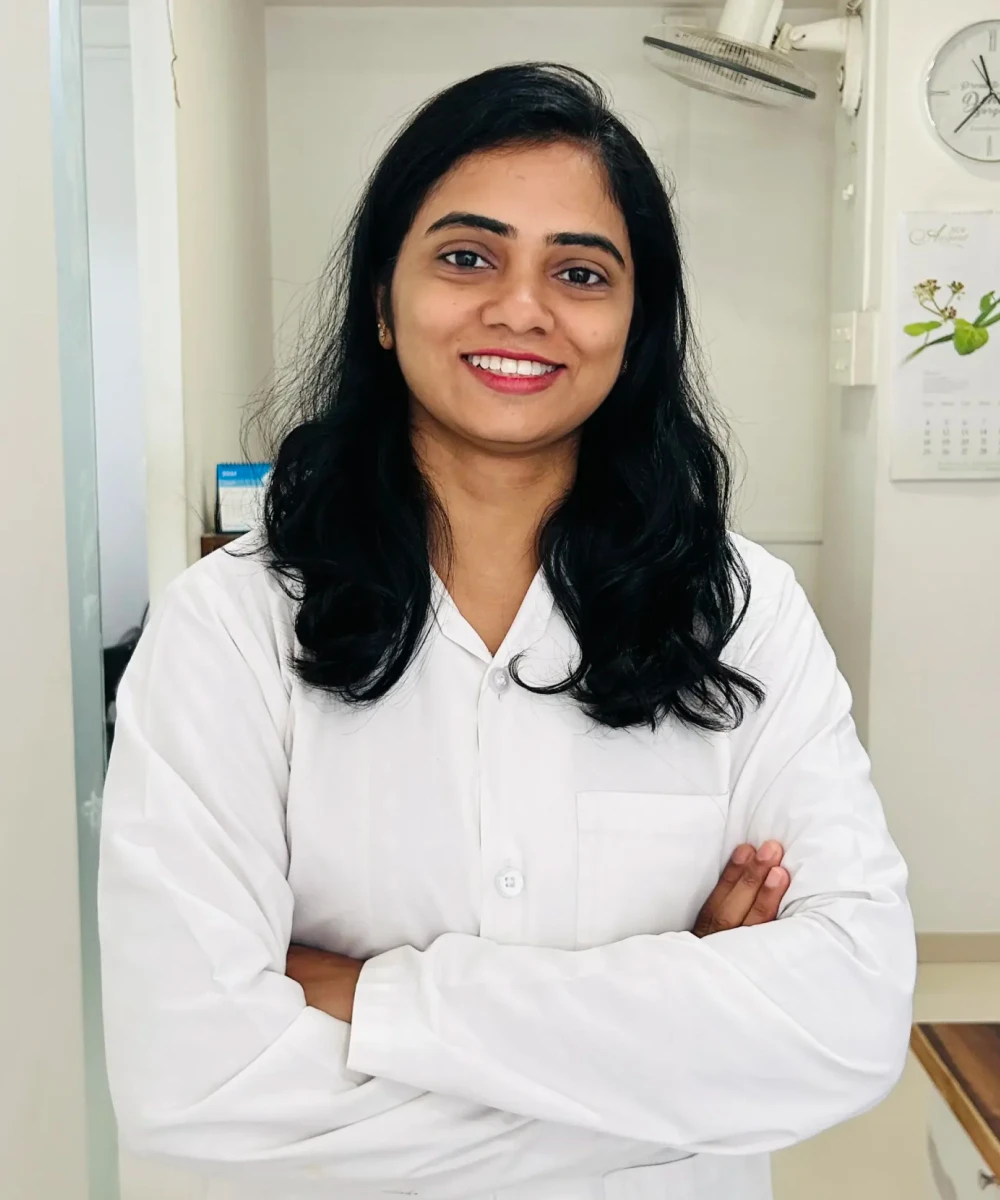
BDS, MDS · Conservative Dentistry and Endodontics
Provides assessment and coordination within her stated restorative and endodontic scope. She is not presented on this page as an implantologist.
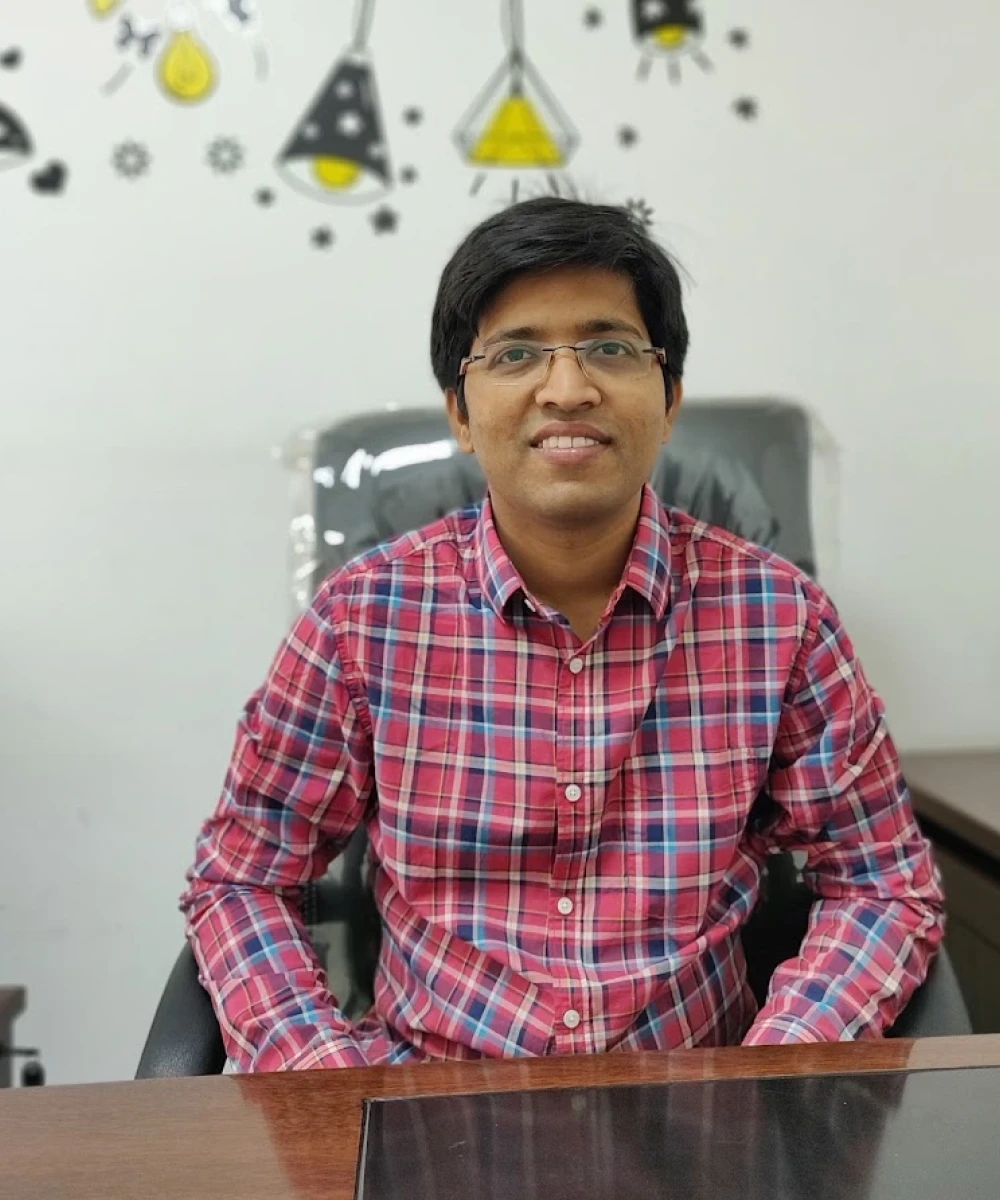
BDS, MDS · Orthodontics and Dentofacial Orthopaedics
Provides orthodontic and bite assessment within his stated scope. He is not presented on this page as an implantologist.
The clinician whose training fits each problem should lead that part of care.
“I had a good experience at this dental clinic. The dentist Dr Archana Satpute is friendly in nature and knowledgeable too. She had taken the time to explain every step of the procedure. …”
“I have visited here for my teeth implants after being referred by a relative. I delayed it as I was very scared. But after meeting Dr Shrikant and the Implantologist I felt assured and went ahead with the treatment. It was a comfortable experience. Timely follow ups were made from the clinic about my recovery. Now I can eat everything without any trouble.”
“Highly recommend this clinic! The doctor is incredibly approachable and treats her patients with a lot of care. …”
“Nice behaviour of Dr Archana mam. Did my tooth extraction and removable tooth placement. Happy with treatment. Will recommend to all.”
The rating below is the overall Google rating for the clinic, not a rating for Implantologist. These are 5-star Google reviews chosen for relevance to this page, shown as written. A longer review may be shortened at the end of a sentence, and the link opens the full review. Reviews describe individual experiences and do not predict the result of your treatment.
Sai Multi Speciality Dental Clinic, Baner
Shop no 101, Alacrity Commercial Complex, near Bitwise Terratower, Mohan Nagar Co-Op Society, Baner, Pune, Maharashtra 411045, India
+91 70203 80193
WhatsApp the clinic
| Monday–Saturday | 10:00 am–1:00 pm 4:00 pm–9:00 pm |
|---|---|
| Sunday | Closed |
Confirm implant dentist availability and public-holiday hours before travelling.
Implant appointments take place at the verified Mohan Nagar, Baner clinic.
The official information reviewed does not identify one. Confirm the surgical and restorative clinicians and their qualifications before treatment.
No. Health, anatomy, adjacent teeth, maintenance, surgery and patient priorities affect the choice.
Not normally. Examination, imaging, disease control, consent and confirmation of the treating team come first.
These stages may involve different clinicians. Ask the clinic to identify responsibility for surgery, restoration and maintenance.
Yes. Bring the proposed plan and records so diagnosis, alternatives, staging and long-term maintenance can be reviewed.
Implant treatment has a surgical stage, where the implant is placed, and a restorative stage, where the crown, bridge or denture is made. The clinic explains who does each stage and their qualification before you agree to treatment.
Ask what the plan is for the missing tooth, how many implants are needed, whether bone grafting is expected, how long treatment takes, what follow-up involves and what the alternatives are. A written plan makes comparison with another opinion easier.
The clinic confirms implant dentist availability after reviewing the request and schedule.
