Direct tooth-coloured filling
May suit: For many small to moderate defects that can be isolated and restored directly. Timeline: Often completed in one appointment.
A filling repairs a tooth after decay or damaged material is removed. The aim is to seal the area, restore useful shape and protect the remaining tooth while preserving as much sound structure as the clinical situation allows.
At Sai Multi Speciality Dental Clinic, Baner, Dr Archana Satpute assesses the depth of the problem, the remaining tooth and the bite before recommending a filling. An examination and X-ray may be needed to distinguish a straightforward cavity from deeper decay, a crack or pulp involvement.
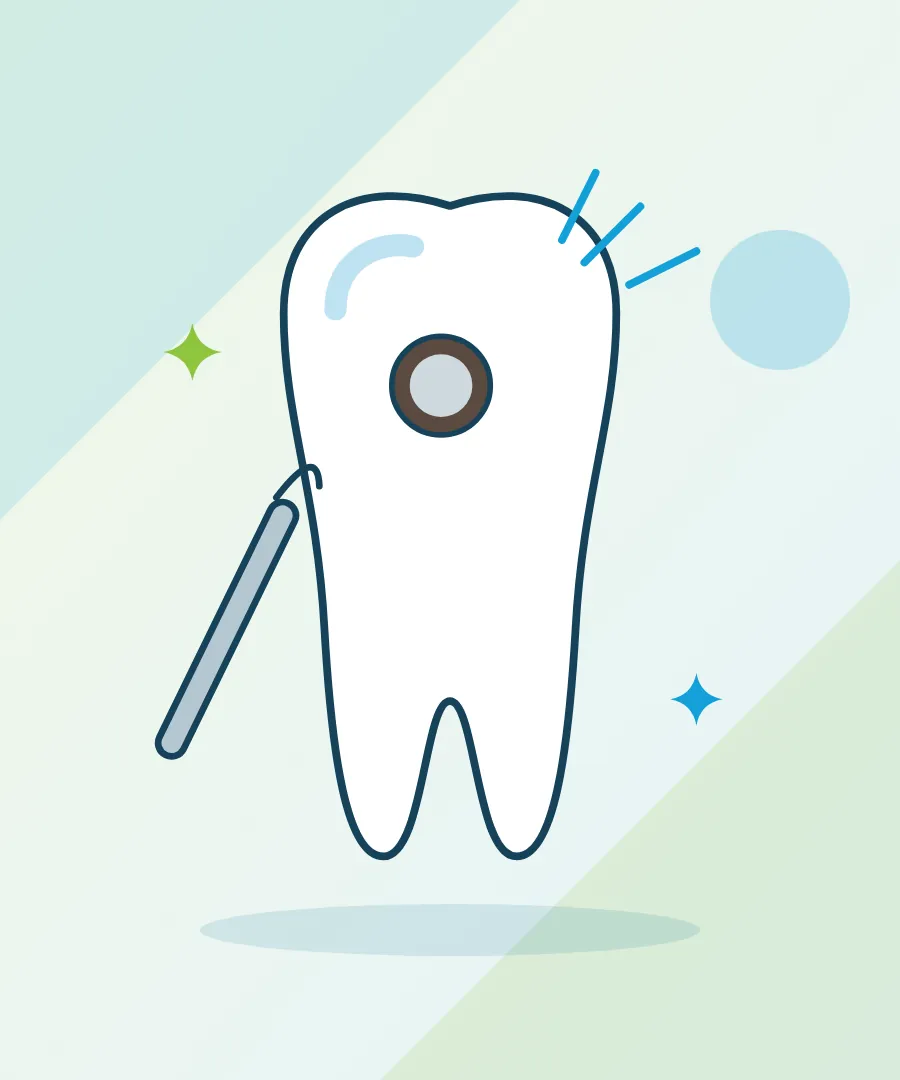
Clinically reviewed by Dr Archana Satpute and Dr Shrikant Gadakh, both dentists at the clinic. Last reviewed 16 October 2026.
Sai Multi Speciality Dental Clinic, Baner provides dental fillings in Pune after assessing decay depth, tooth structure and bite. A filling can repair a suitable cavity, but deep infection, major fracture or limited remaining structure may require another treatment.
A dental filling replaces tooth structure lost to decay, wear, fracture or a failed restoration. The damaged area is prepared, cleaned and restored with a material selected for the tooth, defect, moisture control and biting load. [1]
A filling works within the remaining tooth. A crown covers and protects more of a heavily weakened tooth, while root canal treatment addresses inflamed or infected pulp. Choosing the smallest suitable restoration avoids unnecessary removal of sound structure.
A filling may suit a small or moderate restorable defect. A crown may be safer when little sound structure remains or cusps need protection. Root canal treatment may be needed when decay or a crack has affected the pulp. Examination determines the sequence.
People also call this treatment tooth filling, cavity filling, composite filling or tooth-coloured filling. If you are looking for dental fillings in Baner, the dentist examines the tooth, may take an X-ray, removes the decay and explains which filling material suits the cavity and your bite. Related reading: dental check-up.
The right treatment starts with identifying the condition and the least extensive suitable option.
Suitability depends on examination findings, not symptoms or appearance alone.
Decay develops when plaque bacteria repeatedly produce acids that remove minerals from tooth structure. Cavities may also form around an ageing restoration. Teeth can fracture through trauma, grinding or weakened cusps. Early changes may be managed preventively, but a cavitated or structurally damaged area often needs a restoration after the cause is assessed. [2]
May suit: For many small to moderate defects that can be isolated and restored directly. Timeline: Often completed in one appointment.
May suit: When symptoms, moisture control or treatment sequencing prevents a definitive filling that day. Timeline: Requires planned review or replacement.
May suit: When a simple filling would not protect the tooth or the pulp is involved. Timeline: Assessment first; crown or root canal visits may follow.
Want to talk this through before you book? Our team can answer questions about dental fillings by phone or WhatsApp.
The condition, remaining support and long-term maintenance needs determine the appropriate option.
We examine the defect, symptoms, bite and pulp response and use an X-ray when indicated.
Local anaesthetic may be used, and the tooth is kept clean and dry for the material selected.
Decay and unsupported or failed restorative material are removed conservatively.
The restoration is placed, adapted and shaped to reproduce a cleanable tooth form.
We check the contact and bite, finish the surface and explain what to monitor afterwards.
Care moves from diagnosis and planning to treatment, checks and maintenance.
Many direct dental fillings are completed in one visit. More time may be needed for multiple surfaces, replacement of a large restoration, difficult isolation or assessment of deep decay. If the pulp response is uncertain, a staged restoration or review may be safer than promising a final result immediately.
Visit numbers depend on diagnosis, complexity, preliminary care and review needs.
Local anaesthetic is commonly used for deeper preparation, although very shallow repairs may not require it. You may notice vibration, water and pressure. After treatment, the tooth can feel temporarily sensitive, and the bite may feel unfamiliar. Contact us if the tooth hits first, pain worsens or swelling develops.
Tell us about anxiety, sensitivity, previous difficult dental experiences or medical concerns before care begins. We can explain each stage, agree on a stop signal and pause when clinically appropriate.
Comfort planning begins with knowing what you feel and agreeing how we communicate during care.
Avoid biting your cheek, lip or tongue and wait before eating if advised.
Monitor sensitivity and avoid testing the new filling with very hard foods.
Contact us if the bite feels high or discomfort is increasing rather than settling.
Clean the margins carefully and attend reviews because restored teeth can decay again.
Follow the advice for your specific procedure and contact us when symptoms worsen instead of settling.
A filling cannot reliably restore every damaged tooth. We may advise against a direct filling when there is insufficient sound structure, a vertical fracture, decay extending beyond a cleanable margin, uncontrolled moisture, pulp infection or severe loss of gum and bone support. We may also defer elective care when medical risks or acute infection require stabilisation or referral first. [3]
Medical history, medicines, ability to tolerate care and the feasibility of long-term maintenance are considered before elective treatment.
Sensitivity to cold or biting for a few days is common after a filling. Less common problems include a high filling that needs adjusting, a filling that chips or falls out, decay returning at the edge and, if decay was deep, a tooth that later needs root canal treatment. Call the clinic for pain that increases, a filling that feels high or a rough edge that cuts the tongue.
Not sure whether dental fillings applies to you? Call or message the clinic and we will explain the next step.
We recommend treatment only when the expected benefit and maintainability justify proceeding.
We ask when symptoms started and whether cold, heat, sweets or biting trigger them. The tooth, neighbouring contacts and bite are examined, and an X-ray may be advised. You receive an explanation of whether prevention, a filling, crown, root canal, extraction assessment or monitoring fits the findings.
Before you decide, we explain the likely benefits, material risks, alternatives and consequences of delay. You can take time to consider elective treatment.
The first visit establishes the diagnosis, priorities and a treatment plan specific to you.
Your care is planned by the dentist whose training matches the treatment, with coordinated support when more than one speciality is involved.
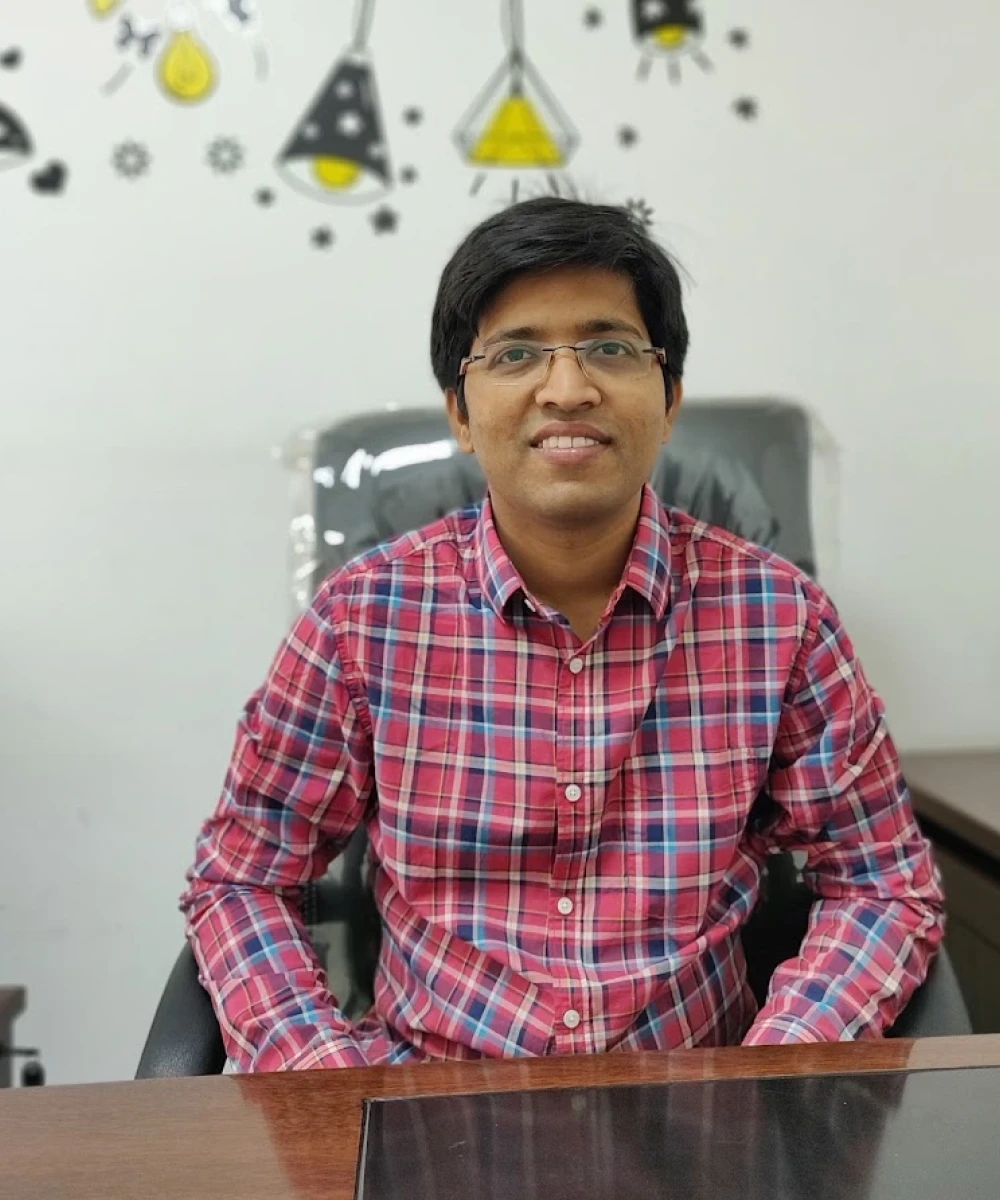
BDS, MDS · Orthodontist
Dr Shrikant completed BDS at Rural Dental College, Loni, and MDS in Orthodontics and Dentofacial Orthopaedics at M.G.V. Dental College, Nashik. He focuses on bite and alignment concerns.
His input is available when tooth position affects the plan.
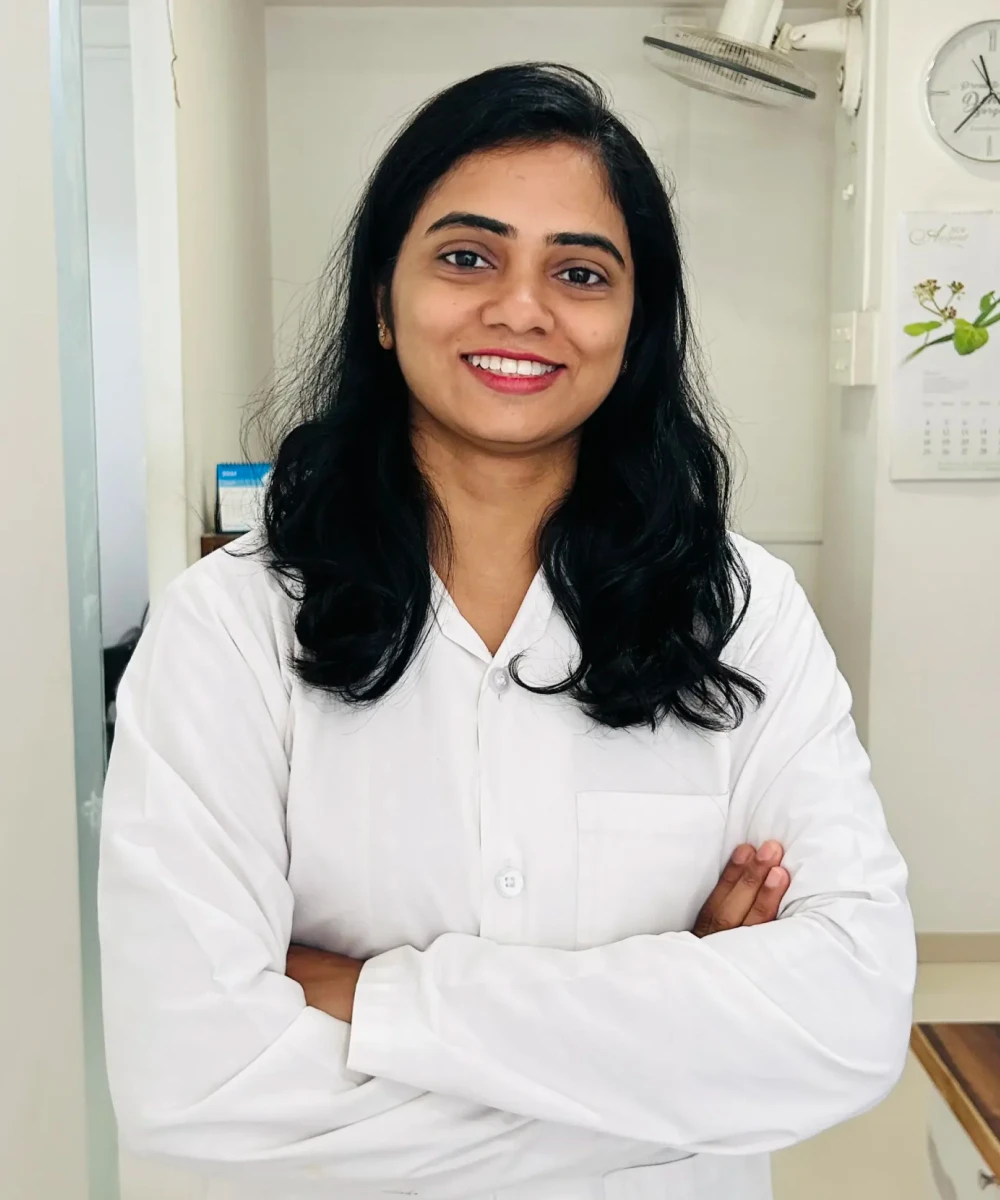
BDS, MDS · Endodontist
Dr Archana completed BDS at Rural Dental College, Loni, and MDS in Conservative Dentistry and Endodontics at SMBT Dental College, Sangamner. She received a Maharashtra University of Health Sciences gold medal and has taught as an assistant professor.
She assesses symptoms, tooth structure and restorative needs before recommending care.
The relevant dentist leads your plan, with coordinated support when needed.
“I had a wonderful experience at the clinic. Dr. Archana was very kind and professional, and my cavity filling procedure went very smoothly and without any issues”
“My teeth were so sensitive and there was cavity so my friend suggested me about this clinic and my experience was awesome doctors are so helpful they provided treatment with care and love”
“I got 4 fillings in front teeth.They look very natural.Thank You Dr Archana. Dr Shrikant is very friendly and cooperative.”
“I had a wonderful experience at Sai Multi Speciality Dental Clinic. I recently underwent a root canal treatment, and Dr. Archana explained every step of the procedure clearly, making me feel comfortable and well-informed throughout the process. The entire team is highly professional, supportive, and knowledgeable. I highly recommend Dr. Archana and Sai Multi Speciality Dental Clinic to anyone looking for quality dental care.”
The rating below is the overall Google rating for the clinic, not a rating for Dental Fillings. These are 5-star Google reviews chosen for relevance to this page, shown as written. A longer review may be shortened at the end of a sentence, and the link opens the full review. Reviews describe individual experiences and do not predict the result of your treatment.
Find us in Alacrity Commercial Complex near Bitwise Terratower, Mohan Nagar, Baner.
Sai Multi Speciality Dental Clinic, Baner
Shop no 101, Alacrity Commercial Complex, near Bitwise Terratower, Mohan Nagar Co-Op Society, Baner, Pune, Maharashtra 411045, India
+91 70203 80193
WhatsApp +91 70203 80193
| Monday–Saturday | 10:00 am–1:00 pm 4:00 pm–9:00 pm |
|---|---|
| Sunday | Closed |
Please call before travelling on public holidays.
Call before travelling to confirm the schedule and any access requirements.
A visible hole, food trapping or sensitivity may suggest a cavity, but early decay can cause no symptoms. We confirm the depth and whether preventive care or restoration is appropriate.
There is no fixed lifespan. Size, material, moisture control, bite, grinding, diet, cleaning and recurrent decay all affect how long a restoration remains serviceable.
Temporary sensitivity can follow preparation or a deep cavity. Contact us if pain is severe, worsening, wakes you, lingers strongly or occurs with swelling.
Sometimes, but repeated replacement removes more tooth structure. If cusps are weak or little tooth remains, an onlay or crown may provide safer protection.
Not routinely. Root canal treatment is considered when the pulp is irreversibly inflamed or infected. Tests, symptoms and imaging guide that decision.
The nerve inside the tooth can be irritated by decay removal and the filling process, so cold, sweet or biting pressure may hurt for a few days to a few weeks. If it worsens or does not settle, the filling may need adjustment, and the dentist checks it.
Brush twice a day with fluoride toothpaste, clean between the teeth daily and limit sugary snacks and drinks. Regular check-ups let the dentist spot decay at the edge of a filling early, when it is simpler to treat.
An examination remains necessary even when your concern sounds similar to a common dental problem.
Tell us what you have noticed and whether the concern is routine, uncomfortable or urgent.
If you have been advised to replace a large filling or place a crown, bring available X-rays and records. We can assess the defect, remaining cusps, symptoms and bite and explain the reasonable restorative choices.
We confirm appointment requests after checking availability.
Related care depends on the diagnosis, treatment sequence and long-term maintenance needs.
