Full-coverage crown
May suit: For a restorable tooth needing broad cuspal and circumferential protection. Timeline: Usually preparation, temporary stage and fitting visit.
A dental crown covers a prepared tooth to restore shape and protect weakened structure. It may be considered after major decay, fracture, a large restoration or root canal treatment, but only when the foundation can be restored and maintained.
At Sai Multi Speciality Dental Clinic, Baner, Dr Archana Satpute assesses the remaining tooth, pulp or root canal status, gum margins and bite before recommending a crown. We also explain when a filling, onlay, monitoring or extraction assessment may be more appropriate.

Clinically reviewed by Dr Archana Satpute and Dr Shrikant Gadakh, both dentists at the clinic. Last reviewed 16 October 2026.
Sai Multi Speciality Dental Clinic, Baner provides dental crowns in Pune after assessing the tooth foundation, gum health and bite. A crown can protect a suitable weakened tooth, but active infection or insufficient remaining structure may require preliminary or alternative care.
A crown is a fixed restoration that covers the visible portion of a prepared tooth. It can restore contour, contact and biting surface while protecting cusps that are at risk of fracture. [1]
A filling replaces a localised defect. An onlay covers selected cusps while preserving more external tooth. A crown provides broader coverage but requires tooth preparation. The right choice depends on damage, material thickness, bite and the ability to keep margins clean.
A direct filling may suit a smaller defect. An onlay can protect selected cusps with less coverage. A crown may be advised when the remaining tooth needs circumferential protection. The most conservative option is chosen only if it can withstand the expected load.
People also call this treatment a dental cap, a tooth crown, a zirconia crown or a porcelain crown. If you are looking for dental crowns in Baner, the dentist first checks whether the tooth has enough healthy structure to hold a crown, whether the gum is healthy and whether a filling or a different restoration would do the job with less tooth removal.
The right treatment starts with identifying the condition and the least extensive suitable option.
Suitability depends on examination findings, not symptoms or appearance alone.
Large cavities, repeated filling replacement, cracks, wear and root canal access can reduce the amount of sound tooth holding the cusps together. A crown redistributes biting load over a prepared foundation, but it cannot strengthen an untreatable root or stop new decay at the margin. Foundation health and maintenance determine whether coverage is sensible. [2]
May suit: For a restorable tooth needing broad cuspal and circumferential protection. Timeline: Usually preparation, temporary stage and fitting visit.
May suit: For selected teeth where damaged cusps need protection but full coverage may not be necessary. Timeline: Often requires laboratory or indirect fabrication.
May suit: For smaller defects or stable teeth that do not yet justify indirect coverage. Timeline: Often one visit or risk-based review.
Want to talk this through before you book? Our team can answer questions about dental crowns by phone or WhatsApp.
The condition, remaining support and long-term maintenance needs determine the appropriate option.
We assess symptoms, pulp or root canal status, remaining structure, gums and bite.
Coverage, appearance, strength, margin location and alternatives are discussed.
The tooth is shaped as required and impressions or digital records are made.
A temporary protects the prepared tooth while the definitive crown is fabricated.
Contacts, margins and bite are checked before cementation and cleaning advice.
Care moves from diagnosis and planning to treatment, checks and maintenance.
A laboratory-made crown usually needs at least two visits. Additional appointments may be required for decay removal, root canal treatment, foundation build-up, gum management or review of symptoms. A same-day final crown should not be assumed unless the required workflow and clinical conditions are confirmed.
Visit numbers depend on diagnosis, complexity, preliminary care and review needs.
Local anaesthetic is normally used for tooth preparation. You may feel vibration and pressure but should tell us about sharp discomfort. The prepared tooth can be temporarily sensitive, and the temporary crown may feel different. Increasing pain, swelling, a high bite or a loose temporary should be reported.
Tell us about anxiety, sensitivity, previous difficult dental experiences or medical concerns before care begins. We can explain each stage, agree on a stop signal and pause when clinically appropriate.
Comfort planning begins with knowing what you feel and agreeing how we communicate during care.
Avoid chewing until normal sensation returns and follow the advice given.
Avoid sticky foods and clean carefully so the temporary is not pulled off.
Report a high bite, persistent pain or difficulty cleaning the contact.
Brush the margin, clean between teeth and attend reviews for decay or gum change.
Follow the advice for your specific procedure and contact us when symptoms worsen instead of settling.
A crown cannot rescue every tooth. We may advise against or defer crowning when there is a vertical root fracture, uncontrolled decay, active infection, inadequate ferrule or remaining structure, margins that cannot be maintained, severe support loss or unresolved symptoms. Full coverage is also inappropriate when a smaller restoration can predictably meet the need with less preparation. [3]
Medical history, medicines, ability to tolerate care and the feasibility of long-term maintenance are considered before elective treatment.
Shaping the tooth for a crown removes enamel and cannot be undone. Possible problems include sensitivity, a crown that feels high, decay at the edge, a loose or lost crown, a chipped porcelain surface and, occasionally, a tooth that later needs root canal treatment. Call the clinic if a crown comes off, the bite feels uneven or the tooth becomes painful.
Not sure whether dental crowns applies to you? Call or message the clinic and we will explain the next step.
We recommend treatment only when the expected benefit and maintainability justify proceeding.
We ask about pain, sensitivity, previous root canal treatment and what happened to the tooth. The foundation, gums, contacts and bite are examined, and an X-ray may be advised. You receive an explanation of whether a filling, onlay, crown, pulp treatment, extraction assessment or monitoring is appropriate.
Before you decide, we explain the likely benefits, material risks, alternatives and consequences of delay. You can take time to consider elective treatment.
The first visit establishes the diagnosis, priorities and a treatment plan specific to you.
Your care is planned by the dentist whose training matches the treatment, with coordinated support when more than one speciality is involved.
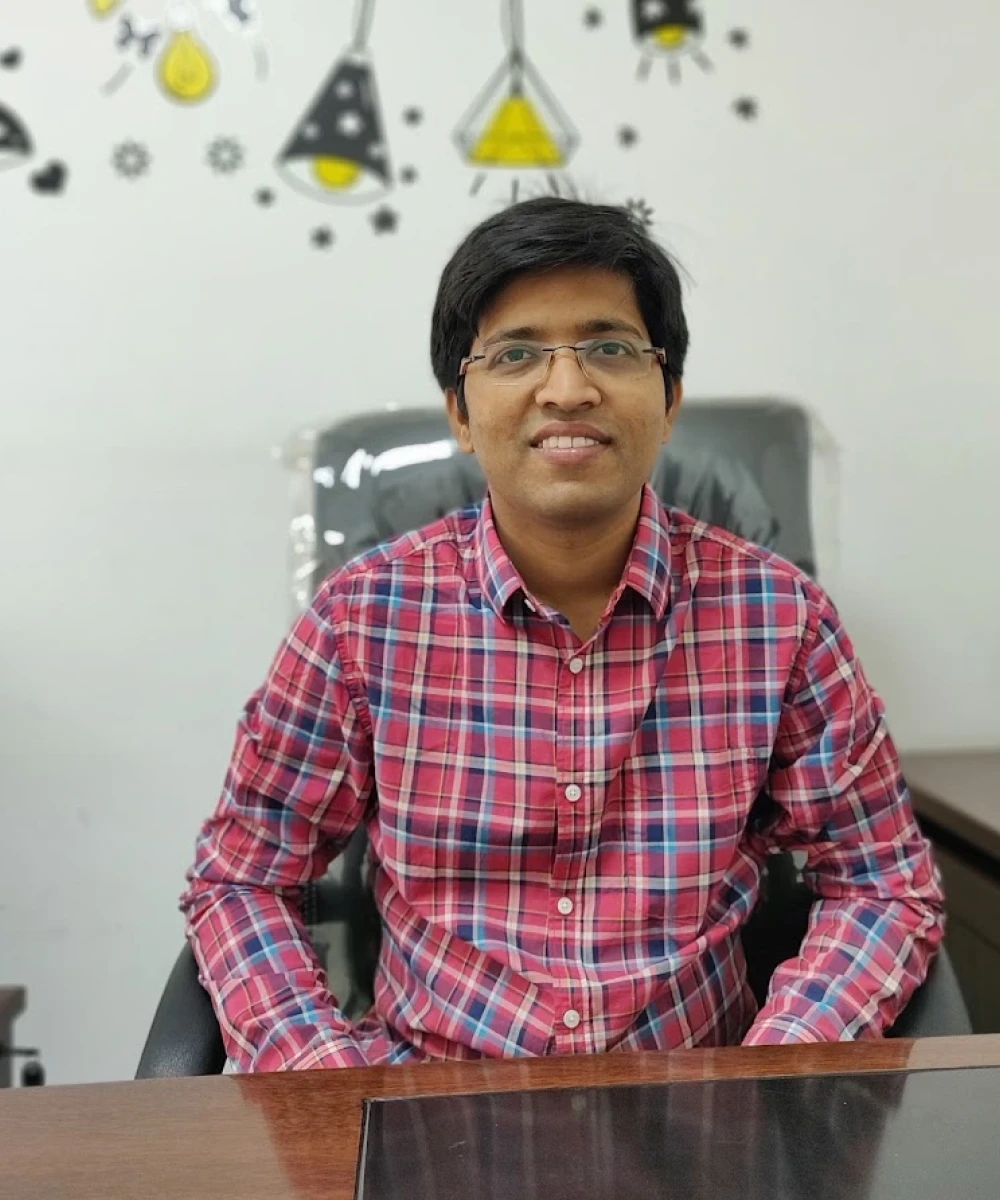
BDS, MDS · Orthodontist
Dr Shrikant completed BDS at Rural Dental College, Loni, and MDS in Orthodontics and Dentofacial Orthopaedics at M.G.V. Dental College, Nashik. He focuses on bite and alignment concerns.
His input is available when tooth position affects the plan.
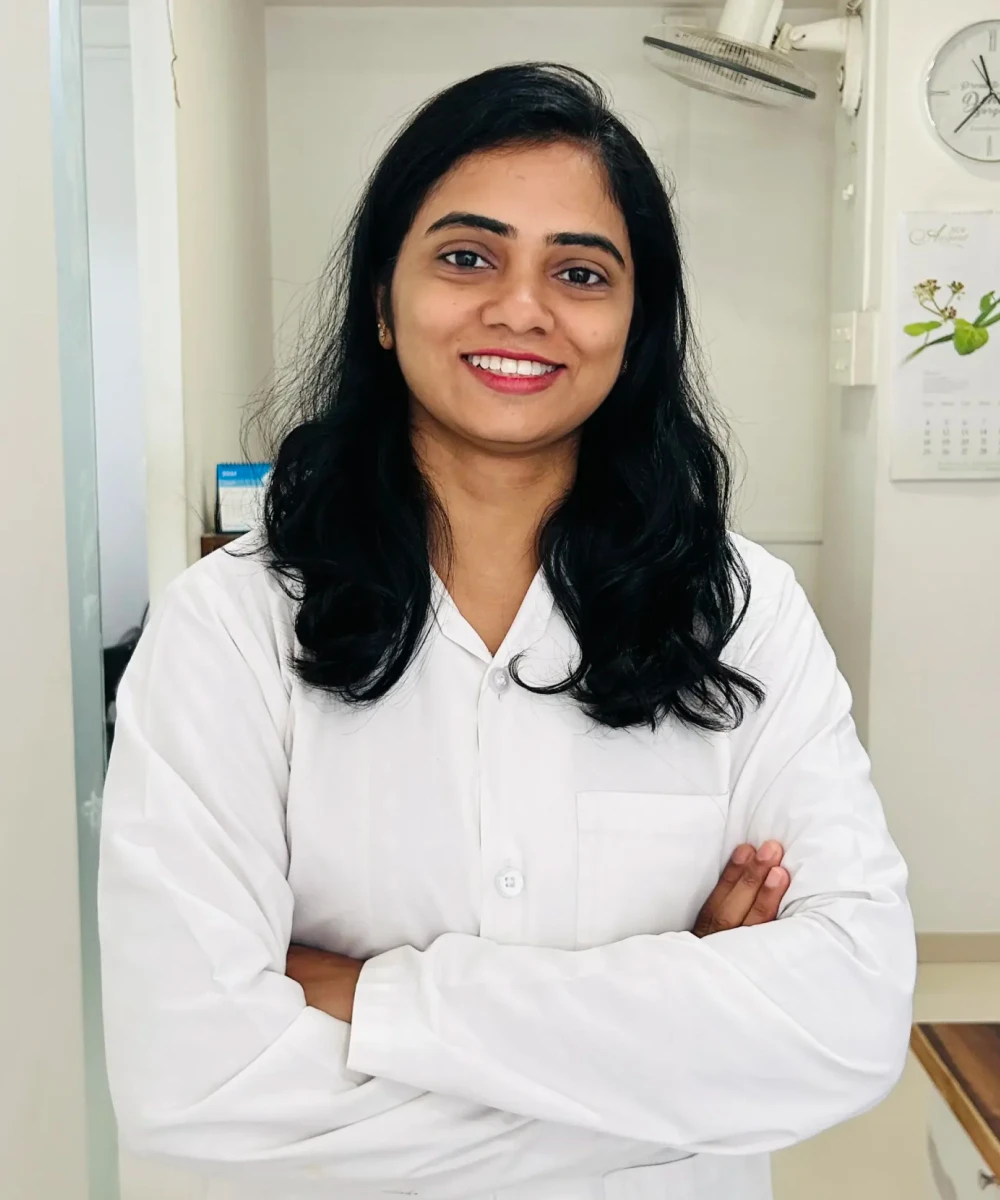
BDS, MDS · Endodontist
Dr Archana completed BDS at Rural Dental College, Loni, and MDS in Conservative Dentistry and Endodontics at SMBT Dental College, Sangamner. She received a Maharashtra University of Health Sciences gold medal and has taught as an assistant professor.
She assesses symptoms, tooth structure and restorative needs before recommending care.
The relevant dentist leads your plan, with coordinated support when needed.
“Very pleasant experience for my root canal with Dr Archana mam. The cap given after that matches my teeth perfectly. Now I can eat nicely without any problem.Thank you!”
“Outstanding experience getting my implant for front teeth done here. The caps looks completely natural and fit properly. I also got root canals for back teeth.Highly recommend Dr Archana and her skilled work!”
“My root canal treatment is currently in progress, and so far my experience has been very good. Dr Archana and her staff explained each step of the procedure clearly and made me feel comfortable throughout the treatment. The process has been much smoother and less painful than I expected. The staff is friendly and supportive, and the clinic is clean and well maintained. Only the final cap placement is remaining, and I am satisfied with the treatment so far.”
“I am an old patient since 8-9 years to this clinic. Done 2 root canals and caps and 1 extraction from Dr Archana Satpute. She is very gentle and experienced. I am very happy with the treatment received.”
The rating below is the overall Google rating for the clinic, not a rating for Dental Crowns. These are 5-star Google reviews chosen for relevance to this page, shown as written. A longer review may be shortened at the end of a sentence, and the link opens the full review. Reviews describe individual experiences and do not predict the result of your treatment.
Find us in Alacrity Commercial Complex near Bitwise Terratower, Mohan Nagar, Baner.
Sai Multi Speciality Dental Clinic, Baner
Shop no 101, Alacrity Commercial Complex, near Bitwise Terratower, Mohan Nagar Co-Op Society, Baner, Pune, Maharashtra 411045, India
+91 70203 80193
WhatsApp +91 70203 80193
| Monday–Saturday | 10:00 am–1:00 pm 4:00 pm–9:00 pm |
|---|---|
| Sunday | Closed |
Please call before travelling on public holidays.
Call before travelling to confirm the schedule and any access requirements.
Some root-treated teeth have lost substantial structure through decay, previous fillings and treatment access. Back teeth may need cuspal protection, but the decision depends on the tooth.
The crown material cannot decay, but natural tooth at its edge can. Plaque control, diet, cleanable margins and regular review remain important.
Keep it suitable, avoid chewing on the prepared tooth and contact us. Do not use household glue because it can damage tissues and complicate correct refitting.
Small bite differences can become noticeable after numbness wears off. Contact us for assessment because an unresolved high contact can make the tooth or chewing muscles sore.
Service life varies. Foundation health, material, bite, grinding, cleaning, diet and maintenance all affect how long the crown remains usable.
Brush and clean between the teeth as usual, paying attention to the line where the crown meets the gum. Avoid biting very hard objects, and use a night guard if the dentist advises one for grinding. Regular check-ups catch edge decay early.
A filling replaces a part of the tooth, while a crown covers the whole visible part of the tooth. Crowns are usually advised when too much tooth is lost for a filling to hold, or when a root-treated tooth needs extra protection.
An examination remains necessary even when your concern sounds similar to a common dental problem.
Tell us what you have noticed and whether the concern is routine, uncomfortable or urgent.
If a crown has been recommended, bring available X-rays and the proposed plan. We can reassess the amount of sound tooth, symptoms, bite and alternatives and explain why full or partial coverage may be advised.
We confirm appointment requests after checking availability.
Related care depends on the diagnosis, treatment sequence and long-term maintenance needs.
