Conventional bridge
May suit: For a gap with strong supporting teeth, particularly when those teeth already need crowns. Timeline: Usually preparation, temporary protection and fitting visits.
A dental bridge replaces a missing tooth or short gap with a fixed restoration supported by suitable teeth or implants. The design must protect the supporting foundations, allow cleaning and fit your bite rather than simply filling visible space.
At Sai Multi Speciality Dental Clinic, Baner, Dr Archana Satpute assesses the gap, supporting teeth, gums and bite before discussing a bridge. Dr Shrikant Gadakh can contribute when tooth position or bite affects the space or long-term plan.

Clinically reviewed by Dr Archana Satpute and Dr Shrikant Gadakh, both dentists at the clinic. Last reviewed 16 October 2026.
Sai Multi Speciality Dental Clinic, Baner provides dental bridges in Pune after assessing the gap, support teeth, gums and bite. Conventional, adhesive and implant-supported designs have different preparation, cleaning and maintenance requirements.
A bridge uses one or more retainers to hold a replacement tooth over a gap. A conventional bridge commonly uses crowns on prepared support teeth. An adhesive bridge uses a wing bonded to a suitable neighbouring tooth and usually needs less preparation. [1]
Unlike a removable denture, a bridge stays fixed in the mouth. Unlike a single implant, a tooth-supported bridge depends on neighbouring teeth. Leaving the gap may also be reasonable when function, appearance and stability are acceptable.
A tooth-supported bridge may avoid implant surgery but can require preparation of adjacent teeth. An implant avoids using those teeth but requires suitable bone, surgery and healing. The condition of the neighbouring teeth often changes the balance.
This treatment is also called a fixed bridge, a tooth-supported bridge or replacing a missing tooth with crowns on the neighbouring teeth. If you are comparing dental bridges in Baner with an implant or a denture, the dentist checks the health of the teeth on either side, the bite and the gum before suggesting a design.
The right treatment starts with identifying the condition and the least extensive suitable option.
Suitability depends on examination findings, not symptoms or appearance alone.
Teeth may be missing after decay, fracture, gum disease, trauma or planned extraction. Adjacent teeth can drift and the opposing tooth can move into the space, although not every gap must be replaced. Bridge planning considers span length, support quality, nerve health, gum margins, connector strength, cleaning access and the forces created during chewing. [2]
May suit: For a gap with strong supporting teeth, particularly when those teeth already need crowns. Timeline: Usually preparation, temporary protection and fitting visits.
May suit: For selected gaps with a suitable neighbouring tooth and favourable bite. Timeline: Often conservative preparation followed by laboratory fitting.
May suit: When using adjacent teeth is undesirable or a removable option better fits the mouth. Timeline: Timing varies with surgery, healing or denture stages.
Want to talk this through before you book? Our team can answer questions about dental bridges by phone or WhatsApp.
The condition, remaining support and long-term maintenance needs determine the appropriate option.
We examine the space, neighbouring teeth, gums, bite and X-rays when indicated.
We compare conventional, adhesive, implant and removable options and their maintenance.
Supporting teeth are prepared when required and impressions or digital records are made.
A temporary restoration may protect prepared teeth while laboratory work is completed.
Fit, contacts and bite are checked before cementation, followed by cleaning instruction.
Care moves from diagnosis and planning to treatment, checks and maintenance.
A laboratory-made bridge commonly requires at least two visits. More appointments may be needed to treat decay, gum inflammation, pulp infection or weak foundations before records are taken. Implant-supported designs include surgical healing, while adhesive bridges may require little preparation but still need planning and laboratory stages.
Visit numbers depend on diagnosis, complexity, preliminary care and review needs.
Local anaesthetic is normally used when support teeth are prepared. You may notice vibration, water and pressure. Temporary restorations can feel unfamiliar, and prepared teeth may be sensitive for a short period. Contact us if the temporary loosens, the bite feels high or pain and swelling increase.
Tell us about anxiety, sensitivity, previous difficult dental experiences or medical concerns before care begins. We can explain each stage, agree on a stop signal and pause when clinically appropriate.
Comfort planning begins with knowing what you feel and agreeing how we communicate during care.
Protect any temporary restoration and avoid pulling sticky food against it.
Clean carefully and call if the bridge or temporary becomes loose.
Report persistent discomfort, a high bite or difficulty cleaning underneath.
Brush the margins and use the advised floss or interdental aid beneath the bridge.
Follow the advice for your specific procedure and contact us when symptoms worsen instead of settling.
We may decline or defer a tooth-supported bridge when decay or gum disease is uncontrolled, support teeth have poor bone levels, the span is unsuitable, margins cannot be maintained, symptoms suggest pulp disease or the bite would overload the restoration. A bridge is not automatically required for every gap, and it should not be used merely to avoid discussing implants, dentures or leaving the space. [3]
Medical history, medicines, ability to tolerate care and the feasibility of long-term maintenance are considered before elective treatment.
Shaping the neighbouring teeth to hold the bridge is not reversible, and those teeth can develop decay or need root canal treatment later, especially if cleaning under the bridge is missed. A bridge can also loosen or fracture. Call the clinic if a bridge feels loose, a tooth under it becomes painful, a gum swells or you notice a bad taste around the bridge.
Not sure whether dental bridges applies to you? Call or message the clinic and we will explain the next step.
We recommend treatment only when the expected benefit and maintainability justify proceeding.
Tell us how the gap affects chewing, speech, appearance or confidence and whether a previous bridge has failed. We assess each possible support tooth, gum health, available space and bite and use X-rays when indicated. You receive a comparison of fixed, implant, removable and no-replacement options.
Before you decide, we explain the likely benefits, material risks, alternatives and consequences of delay. You can take time to consider elective treatment.
The first visit establishes the diagnosis, priorities and a treatment plan specific to you.
Your care is planned by the dentist whose training matches the treatment, with coordinated support when more than one speciality is involved.
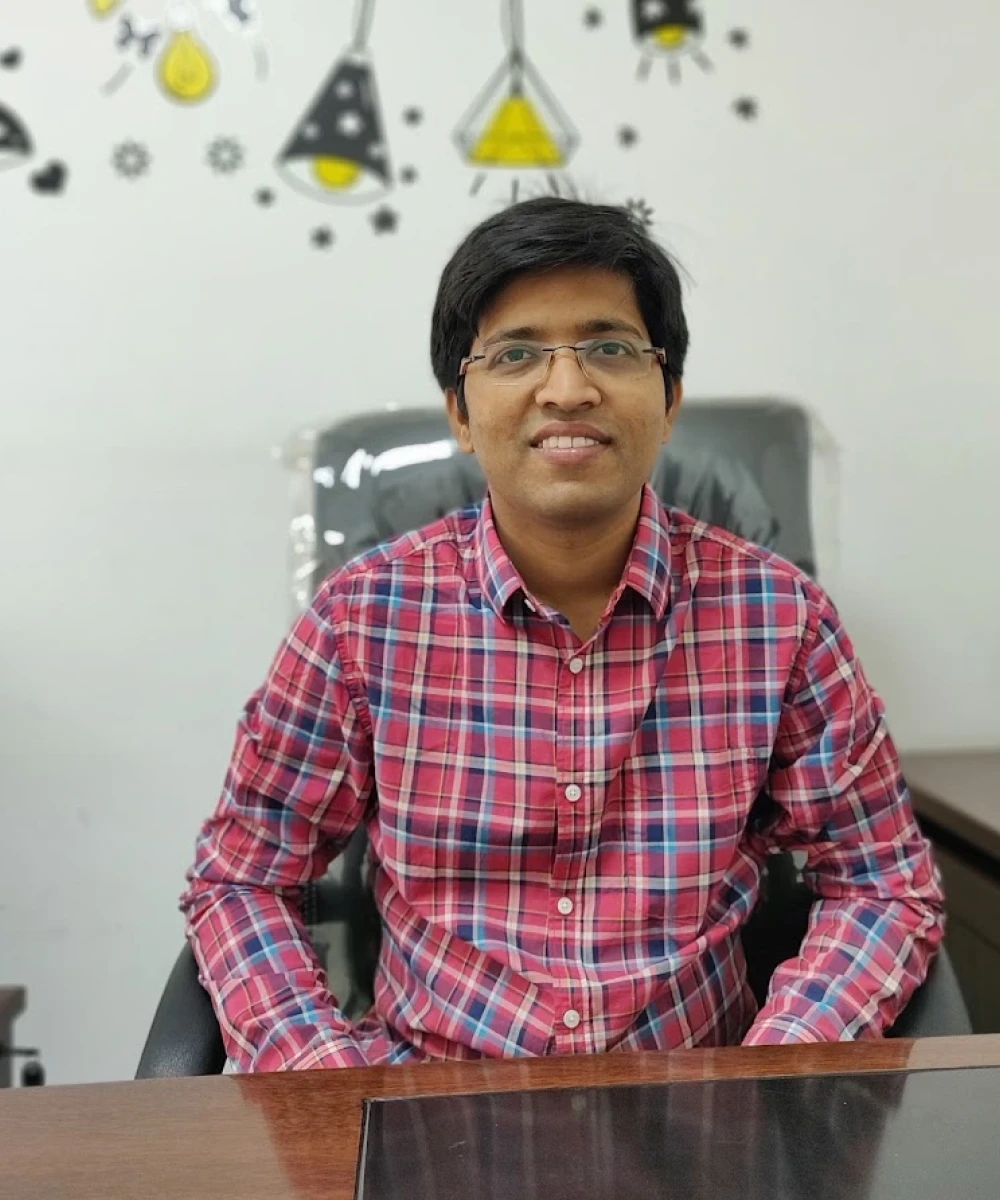
BDS, MDS · Orthodontist
Dr Shrikant completed BDS at Rural Dental College, Loni, and MDS in Orthodontics and Dentofacial Orthopaedics at M.G.V. Dental College, Nashik. He focuses on bite and alignment concerns.
His input is available when tooth position affects the plan.
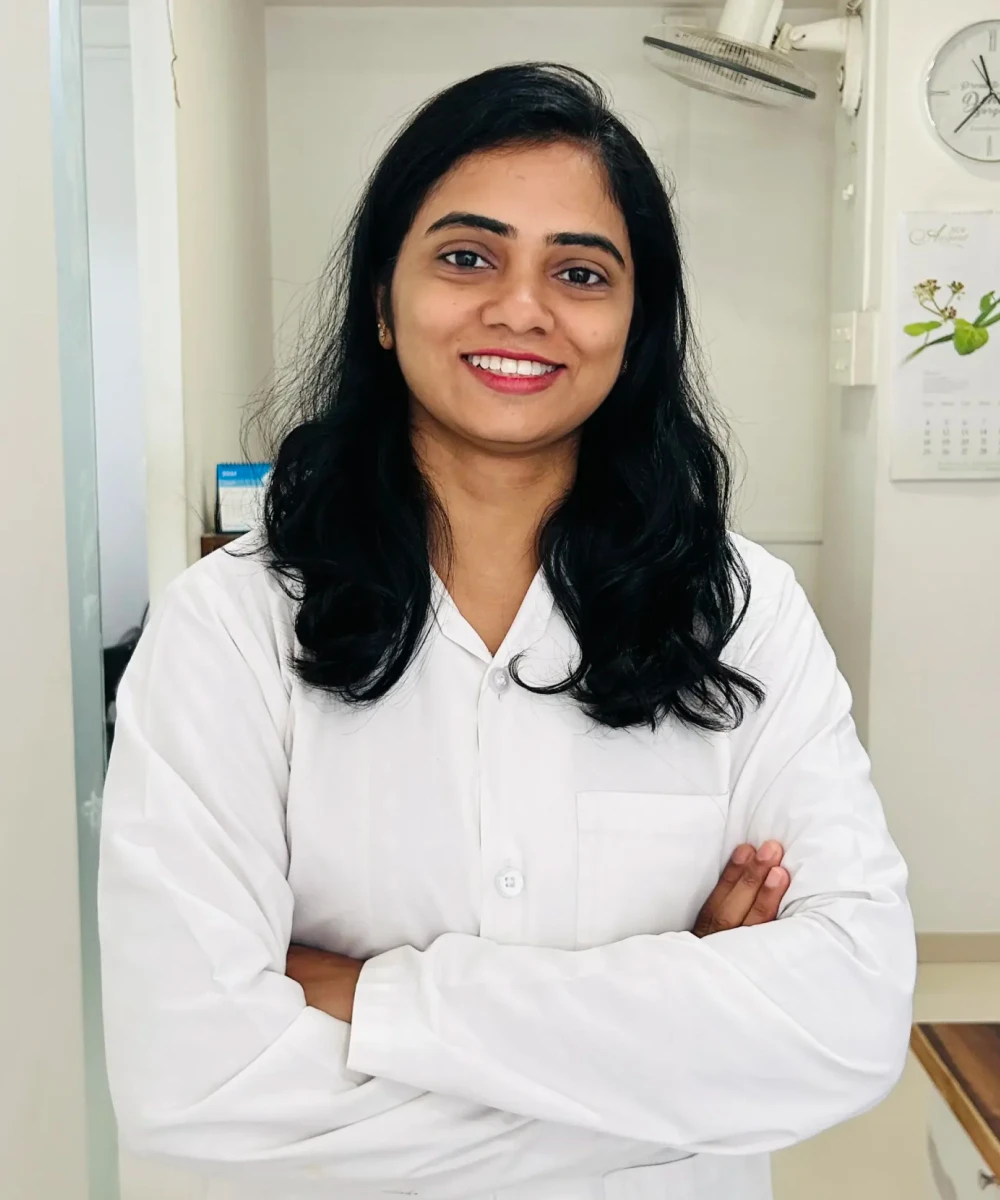
BDS, MDS · Endodontist
Dr Archana completed BDS at Rural Dental College, Loni, and MDS in Conservative Dentistry and Endodontics at SMBT Dental College, Sangamner. She received a Maharashtra University of Health Sciences gold medal and has taught as an assistant professor.
She assesses symptoms, tooth structure and restorative needs before recommending care.
The relevant dentist leads your plan, with coordinated support when needed.
“My root canal treatment is currently in progress, and so far my experience has been very good. Dr Archana and her staff explained each step of the procedure clearly and made me feel comfortable throughout the treatment. The process has been much smoother and less painful than I expected. The staff is friendly and supportive, and the clinic is clean and well maintained. Only the final cap placement is remaining, and I am satisfied with the treatment so far.”
“I am visiting sai multispeciality dental clinic after searching so many clinic and finally I am very happy that I selected sai multispeciality dental clinicdentist in pune for my treatment.I am completely satisfied with my root canal treatment and dental crown . …”
“Excellent experience! I visited for a cracked molar, and Dr. Archana did an outstanding job over two appointments. Before beginning treatment, she clearly explained the process, why two visits were necessary, and the importance of allowing time to assess the results before my upcoming travel. …”
“I am an old patient since 8-9 years to this clinic. Done 2 root canals and caps and 1 extraction from Dr Archana Satpute. She is very gentle and experienced. I am very happy with the treatment received.”
The rating below is the overall Google rating for the clinic, not a rating for Dental Bridges. These are 5-star Google reviews chosen for relevance to this page, shown as written. A longer review may be shortened at the end of a sentence, and the link opens the full review. Reviews describe individual experiences and do not predict the result of your treatment.
Find us in Alacrity Commercial Complex near Bitwise Terratower, Mohan Nagar, Baner.
Sai Multi Speciality Dental Clinic, Baner
Shop no 101, Alacrity Commercial Complex, near Bitwise Terratower, Mohan Nagar Co-Op Society, Baner, Pune, Maharashtra 411045, India
+91 70203 80193
WhatsApp +91 70203 80193
| Monday–Saturday | 10:00 am–1:00 pm 4:00 pm–9:00 pm |
|---|---|
| Sunday | Closed |
Please call before travelling on public holidays.
Call before travelling to confirm the schedule and any access requirements.
A bridge may be supported by prepared natural teeth, bonded wings on selected teeth or dental implants. The appropriate foundation depends on the gap, bite and health of the supports.
Use the floss threader, interdental brush or other aid shown for your design. Cleaning beneath the replacement tooth and around the retainers helps protect gums and support teeth.
Conventional bridges require preparation of support teeth and can affect their pulp or future decay risk. Adhesive designs use less preparation but suit fewer bites and gaps.
Avoid chewing on it, keep any detached part somewhere clean and contact us. Do not use household glue because incorrect seating can damage teeth and tissues.
Service life varies with support health, span, material, bite, grinding, cleaning and maintenance. A bridge and its foundations need continued review.
Neither is better for everyone. A bridge can be completed in fewer visits and avoids surgery, but it needs the neighbouring teeth to be shaped. An implant protects those teeth but needs enough bone and a longer plan. The dentist explains both against your own findings.
Warning signs include a loose or rocking bridge, pain when biting, a gum that is red or swollen, a bad taste, or a gap forming at the edge. Early review can prevent decay under the bridge from reaching the supporting teeth.
An examination remains necessary even when your concern sounds similar to a common dental problem.
Tell us what you have noticed and whether the concern is routine, uncomfortable or urgent.
If a bridge has been recommended, bring available X-rays and the proposed design. We can reassess the support teeth, amount of preparation, implant or denture alternatives and maintenance demands before you decide.
We confirm appointment requests after checking availability.
Related care depends on the diagnosis, treatment sequence and long-term maintenance needs.
