Local chip repair
May suit: For suitable fractured or worn edges. Timeline: Often one direct visit.
Dental bonding uses tooth-coloured composite resin to repair or reshape selected tooth areas. It is often additive, but preparation and durability depend on enamel, bite and change size.
At Sai Multi Speciality Dental Clinic, Baner, Dr Archana Satpute assesses whether local bonding can address a chip, edge, small gap or surface concern without treating healthy areas.
Clinically reviewed by Dr Archana Satpute and Dr Shrikant Gadakh, both dentists at the clinic. Last reviewed 16 October 2026.
Bonding can add resin for small repairs or shape changes. Suitability depends on enamel, bite, colour, moisture control and defect extent.
Composite is bonded, sculpted, light-cured and polished. It can repair an edge, modify contour or close a selected small space. [1]
It often preserves more structure than fuller restorations but is less stain- and wear-resistant than enamel.
Local bonding is repairable and may need less preparation. Porcelain has different surface properties but generally adds laboratory work and may require enamel removal.
Patients also search for this as tooth bonding, composite bonding or cosmetic bonding for chipped teeth. If you are looking for dental bonding in Baner, the dentist checks the tooth, the bite and the shade, explains what composite resin can change and compares bonding with veneers and crowns.
The right treatment starts with identifying the condition and the least extensive suitable option.
Suitability depends on examination findings, not symptoms or appearance alone.
Layered composite can imitate tooth colour, but matching varies with light and dehydration. Edge design and contacts influence chipping and cleaning. [2]
May suit: For suitable fractured or worn edges. Timeline: Often one direct visit.
May suit: For modest contour or space change. Timeline: Trial and finishing visits as needed.
May suit: When weakness or position exceeds bonding limits. Timeline: Depends on the alternative.
Want to talk this through before you book? Our team can answer questions about dental bonding by phone or WhatsApp.
The condition, remaining support and long-term maintenance needs determine the appropriate option.
Check vitality, enamel, gums and bite.
Plan colour and contour.
Isolate and condition as required.
Shape and harden composite.
Polish and check bite.
Care moves from diagnosis and planning to treatment, checks and maintenance.
Local bonding may be direct, while multiple teeth, shade complexity, bite adjustment or treatment after whitening can require stages.
Visit numbers depend on diagnosis, complexity, preliminary care and review needs.
Small enamel additions may not, while decay removal or sensitive dentine can. Pain afterwards needs assessment.
Tell us about anxiety, sensitivity, previous difficult dental experiences or medical concerns before care begins. We can explain each stage, agree on a stop signal and pause when clinically appropriate.
Comfort planning begins with knowing what you feel and agreeing how we communicate during care.
Do not bite nails, ice or packaging.
Composite can absorb colour.
Brush and clean between teeth.
Polishing or repair may be needed.
Follow the advice for your specific procedure and contact us when symptoms worsen instead of settling.
Composite can stain, lose polish, wear, chip or detach. It cannot reinforce every weak tooth or mask every shade without excess thickness. [3]
Medical history, medicines, ability to tolerate care and the feasibility of long-term maintenance are considered before elective treatment.
Bonding is less strong than natural enamel or porcelain, so it can chip, wear or stain over time, particularly with habits like nail-biting or chewing ice. Some tooth sensitivity is common and a little enamel may need to be shaped. Call the clinic if bonding chips, feels rough or the tooth becomes painful.
Not sure whether dental bonding applies to you? Call or message the clinic and we will explain the next step.
We recommend treatment only when the expected benefit and maintainability justify proceeding.
We compare bonding with smoothing, whitening, orthodontics, veneers, crowns and no treatment.
Before you decide, we explain the likely benefits, material risks, alternatives and consequences of delay. You can take time to consider elective treatment.
Appearance concerns are documented before clinical terms are introduced. We check whether the feature comes from colour, tooth structure, position, gum tissue, an existing restoration or the way the teeth meet. More than one cause may be present, and treating only the most visible feature can leave the underlying concern unresolved.
We distinguish reversible, additive and irreversible choices. Observation, hygiene improvement or no treatment remain valid options. When care removes enamel, changes gum position or commits a tooth to future restoration, that consequence is explained separately. Consent is based on the actual procedure proposed for each tooth rather than the general label “dental bonding”.
Photographs, scans, shade records and trial shapes can improve communication. They show proportions and help identify preferences, but screens, lighting, dehydration and facial movement alter appearance. A simulation or mock-up therefore illustrates a direction; it does not show exactly how biological tissues and dental materials will respond.
We discuss how natural enamel, composite resin, ceramic and gum tissue age differently. Colour, gloss, margins and surface texture can change with diet, tobacco, cleaning, grinding and time. A material that looks appropriate when fitted still needs daily care and professional review, and repair or replacement may eventually be required.
The bite is checked because front teeth guide movement and receive forces during eating and habits. An attractive edge or contour may be unsafe if it creates an early contact, overloads a restoration or makes cleaning difficult. Orthodontic, periodontal, restorative or endodontic input is coordinated when the concern crosses more than one area.
Before starting, you should understand the intended change, what will remain unchanged, reasonable alternatives, the likely sequence and warning signs requiring review. This shared decision process matters in elective care because choosing not to proceed, or choosing a smaller intervention, can be clinically reasonable.
We document the starting condition and agreed objective so later reviews compare like with like. If new symptoms, gum changes, decay, fracture or unexpected sensitivity develops, appearance-focused treatment can be paused while the health issue is assessed. A slower or revised sequence is preferable to continuing with an outdated plan.
The first visit establishes the diagnosis, priorities and a treatment plan specific to you.
Your care is planned by the dentist whose training matches the treatment, with coordinated support when more than one speciality is involved.
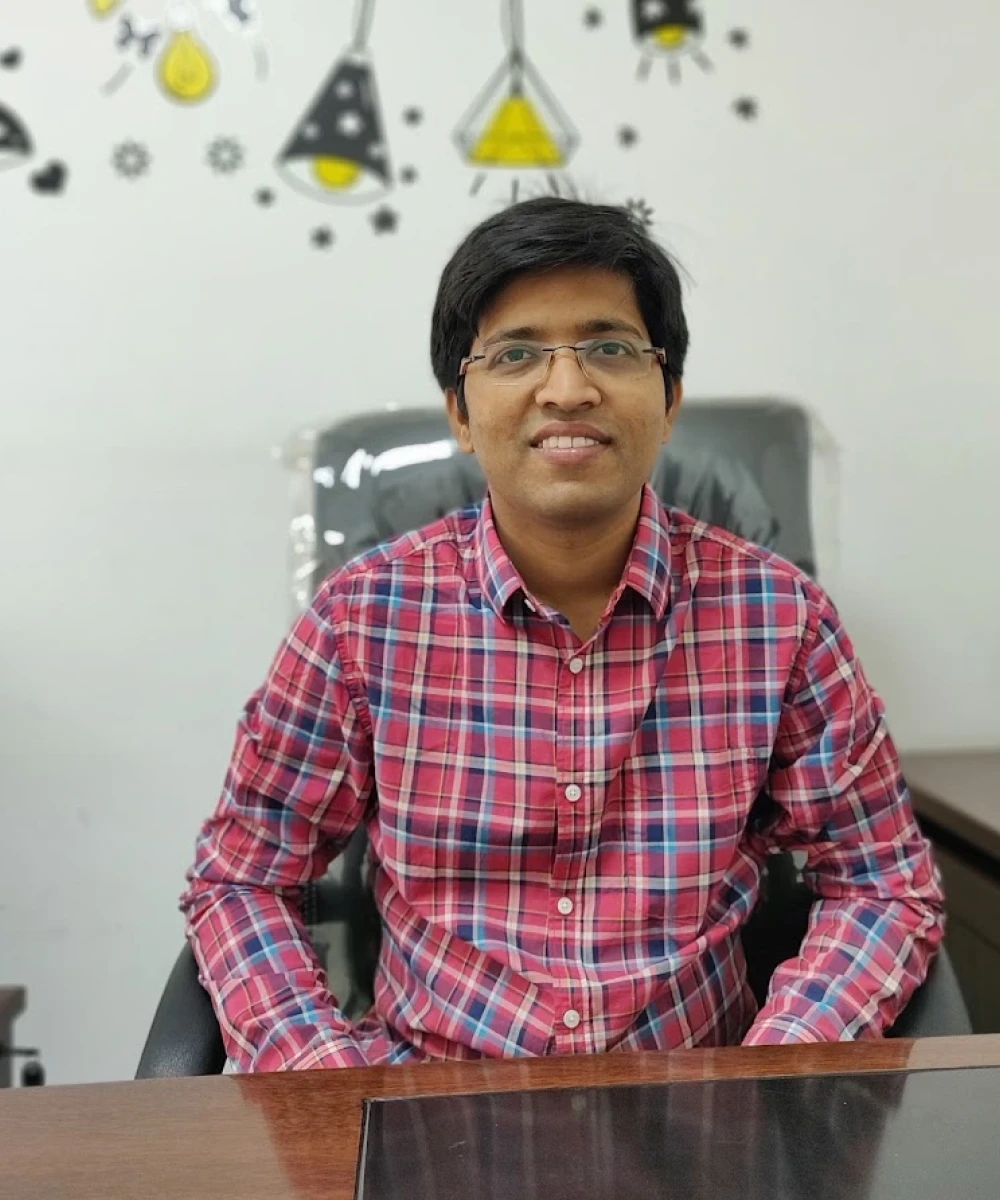
BDS, MDS · Orthodontist
Dr Shrikant completed BDS at Rural Dental College, Loni, and MDS in Orthodontics and Dentofacial Orthopaedics at M.G.V. Dental College, Nashik. He focuses on bite and alignment concerns.
His input is available when tooth position affects the plan.
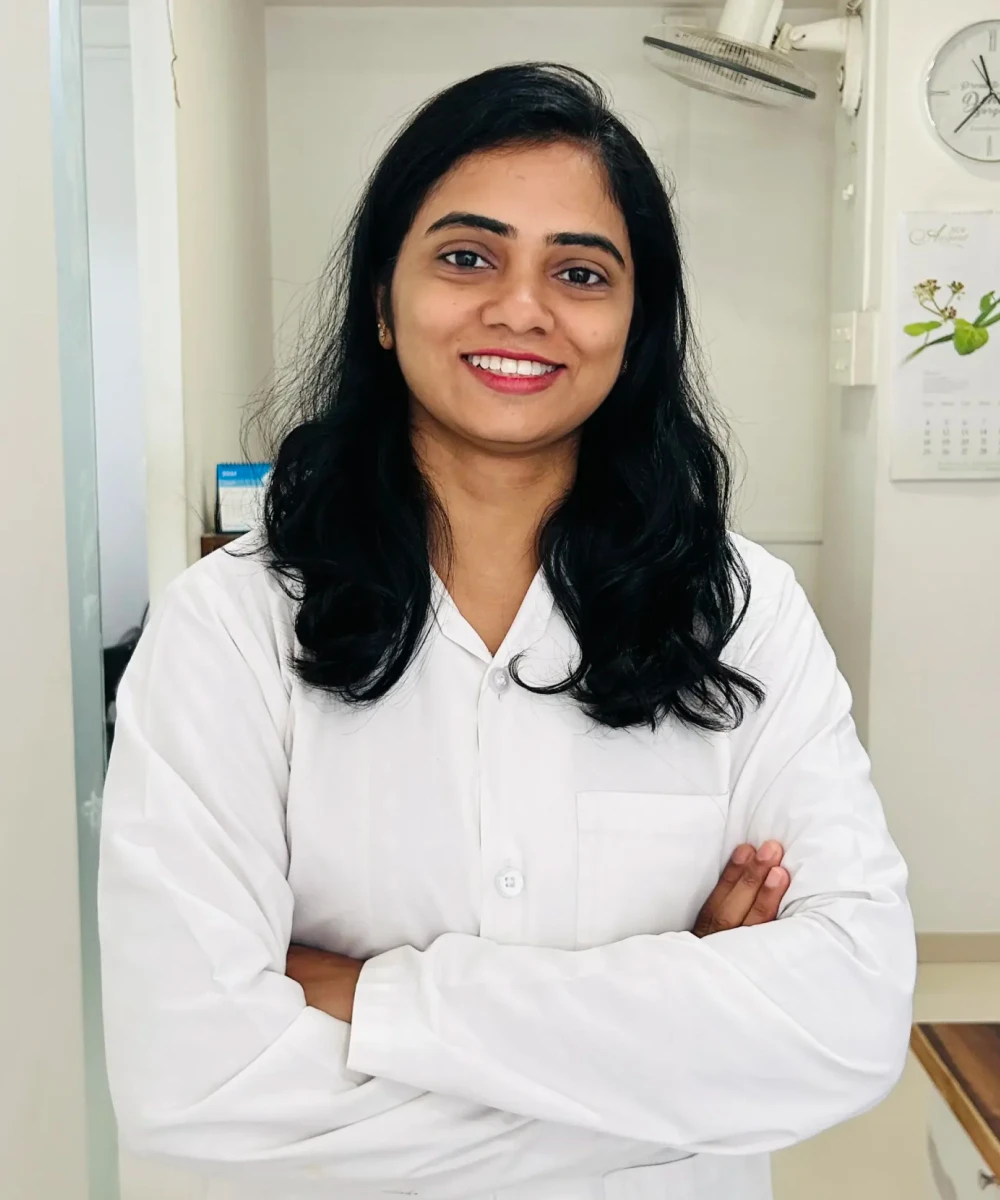
BDS, MDS · Endodontist
Dr Archana completed BDS at Rural Dental College, Loni, and MDS in Conservative Dentistry and Endodontics at SMBT Dental College, Sangamner. She received a Maharashtra University of Health Sciences gold medal and has taught as an assistant professor.
She assesses symptoms, tooth structure and restorative needs before recommending care.
The relevant dentist leads your plan, with coordinated support when needed.
“I had a wonderful experience at the clinic. Dr. Archana was very kind and professional, and my cavity filling procedure went very smoothly and without any issues”
“My teeth were so sensitive and there was cavity so my friend suggested me about this clinic and my experience was awesome doctors are so helpful they provided treatment with care and love”
“I got 4 fillings in front teeth.They look very natural.Thank You Dr Archana. Dr Shrikant is very friendly and cooperative.”
“Doing braces treatment here, treatment going nicely,my teeth are in good shape now ,smile better now in short time thank you Dr Shrikant Sir”
The rating below is the overall Google rating for the clinic, not a rating for Dental Bonding. These are 5-star Google reviews chosen for relevance to this page, shown as written. A longer review may be shortened at the end of a sentence, and the link opens the full review. Reviews describe individual experiences and do not predict the result of your treatment.
Find us in Alacrity Commercial Complex near Bitwise Terratower, Mohan Nagar, Baner.
Sai Multi Speciality Dental Clinic, Baner
Shop no 101, Alacrity Commercial Complex, near Bitwise Terratower, Mohan Nagar Co-Op Society, Baner, Pune, Maharashtra 411045, India
+91 70203 80193
WhatsApp +91 70203 80193
| Monday–Saturday | 10:00 am–1:00 pm 4:00 pm–9:00 pm |
|---|---|
| Sunday | Closed |
Please call before travelling on public holidays.
Call before travelling to confirm the schedule and any access requirements.
Additive resin may be removable, but conditioning and finishing can alter the surface.
It can stain and lose polish over time.
No. Excess width can look bulky and hinder cleaning.
Yes. Bite, grinding and habits affect risk.
Often, because composite does not whiten later.
Bonding can last for several years, but it depends on the size of the repair, your bite and habits such as nail-biting and chewing ice. Polishing and repair or replacement are part of its normal upkeep, and no fixed lifespan can be promised.
No. Composite resin does not respond to whitening in the way natural enamel does. The dentist usually whitens teeth first and then matches the bonding to the new shade.
An examination remains necessary even when your concern sounds similar to a common dental problem.
Tell us what you have noticed and whether the concern is routine, uncomfortable or urgent.
Bring the proposed design to review additive extent, bite management, shade timing and repairs.
We confirm appointment requests after checking availability.
Related care depends on the diagnosis, treatment sequence and long-term maintenance needs.
