Vital pulp therapy
May suit: For suitable vital teeth with normal or reversible pulp inflammation. Timeline: Treatment and restoration with follow-up.
“Root canal for children” can refer to several different pulp treatments. A baby tooth may need indirect pulp treatment, pulpotomy or pulpectomy, while a young adult tooth may need vitality-preserving care or another endodontic procedure.
At Sai Multi Speciality Dental Clinic, Baner, diagnosis considers pain, swelling, restorability, root development, expected tooth lifespan and the value of preserving the tooth before selecting treatment or referral.

Clinically reviewed by Dr Archana Satpute and Dr Shrikant Gadakh, both dentists at the clinic. Last reviewed 16 October 2026.
Sai Multi Speciality Dental Clinic, Baner assesses whether a child’s painful or decayed tooth can keep its nerve, needs a pulp treatment such as a pulpotomy, or is better removed, and explains the follow-up that protects the adult tooth beneath.
The pulp contains nerves and blood vessels. Deep decay or trauma can cause reversible inflammation, irreversible inflammation or tissue death. Symptoms alone cannot reliably determine the stage. [1]
Preserving healthy pulp is especially important in a young adult tooth because continued root development strengthens the tooth. A badly damaged baby tooth may instead need pulpotomy, pulpectomy or extraction.
A pulpotomy removes diseased pulp from the crown portion, while a pulpectomy treats pulp through the roots of a baby tooth. Adult-tooth procedures follow different biological and technical goals.
This treatment is also called a pulpotomy, pulp therapy for baby teeth or a baby tooth root canal. If you are looking for root canal treatment for children in Baner, the dentist checks the tooth by examination and X-ray, explains whether the nerve can be kept, whether a pulp treatment is advised or whether removing the tooth is the more suitable route.
The right treatment starts with identifying the condition and the least extensive suitable option.
Suitability depends on examination findings, not symptoms or appearance alone.
The decision balances infection control with preservation of tooth and developing tissues. Rubber-dam or equally effective isolation helps reduce contamination, and the final restoration is essential to seal and protect the treated tooth. [2]
May suit: For suitable vital teeth with normal or reversible pulp inflammation. Timeline: Treatment and restoration with follow-up.
May suit: For selected baby teeth according to pulp diagnosis. Timeline: Procedure, definitive restoration and review.
May suit: For suitable developing teeth using vitality-preserving or non-vital protocols. Timeline: Longer clinical and radiographic monitoring.
Want to talk this through before you book? Our team can answer questions about root canal for children by phone or WhatsApp.
The condition, remaining support and long-term maintenance needs determine the appropriate option.
Review pain, trauma, examination and suitable X-rays.
Confirm enough sound tooth remains and consider tooth lifespan.
Match therapy to vitality and root development.
Control contamination and complete the indicated procedure.
Protect with a suitable restoration and review healing.
Care moves from diagnosis and planning to treatment, checks and maintenance.
Assessment and treatment may occur separately. The restoration can be part of the same or another visit, and follow-up is essential, particularly for developing adult teeth.
Visit numbers depend on diagnosis, complexity, preliminary care and review needs.
Local anaesthetic is normally used for invasive care. Anxiety, infection and cooperation affect the experience. Persistent pain, swelling or fever after treatment needs prompt review.
Tell us about anxiety, sensitivity, previous difficult dental experiences or medical concerns before care begins. We can explain each stage, agree on a stop signal and pause when clinically appropriate.
Comfort planning begins with knowing what you feel and agreeing how we communicate during care.
Prevent lip or cheek biting until sensation returns.
Avoid loading the treated tooth until protected.
Brush gently around the restoration.
Healing and root development may need X-rays.
Follow the advice for your specific procedure and contact us when symptoms worsen instead of settling.
Pulp treatment cannot retain every tooth. Infection, restoration leakage, root resorption or fracture can lead to failure or extraction. Child cooperation and tooth development may require referral. [3]
Medical history, medicines, ability to tolerate care and the feasibility of long-term maintenance are considered before elective treatment.
Soreness after the numbness wears off is common. Less common problems include persistent infection, a tooth that needs removal later, damage to the developing adult tooth beneath and a crown or filling that comes loose. Treating a child needs cooperation and sometimes more than one visit. Call the clinic the same day for facial swelling, fever or pain that keeps your child awake.
Not sure whether root canal for children applies to you? Call or message the clinic and we will explain the next step.
We recommend treatment only when the expected benefit and maintainability justify proceeding.
Bring symptom, trauma and medicine details. We explain the pulp diagnosis, tooth prognosis, alternatives and why baby and adult teeth need different approaches.
Before you decide, we explain the likely benefits, material risks, alternatives and consequences of delay. You can take time to consider elective treatment.
Children are not small adults, and the same procedure may need different timing, explanation or materials in a developing mouth. We consider age, tooth eruption, jaw growth, medical history, anxiety, communication and the child’s ability to cooperate safely. The caregiver remains part of consent, prevention and follow-through at home.
Caries-risk assessment looks beyond the number of existing cavities. Feeding and snacking frequency, fluoride exposure, brushing help, enamel defects, dry mouth, medicines and previous disease all contribute. Advice is prioritised so the family leaves with practical changes rather than a long generic list that is difficult to use.
Dental X-rays are not automatic at every visit. They are prescribed when history and examination indicate that the expected diagnostic benefit justifies exposure. The image type and interval depend on age, tooth contacts, symptoms, trauma, eruption and disease risk. Existing usable images should be considered before repeating them.
Behaviour guidance begins with communication. The dental team can use simple explanations, demonstration and gradual familiarisation, but the approach must respect safety and the child’s needs. If urgent disease, complex treatment, severe anxiety, disability or medical risk exceeds what can be managed appropriately, referral is a responsible part of care.
Prevention changes as the child grows. Caregiver brushing, fluoride toothpaste quantity, diet, sealant assessment, sports protection, habits and orthodontic monitoring become relevant at different stages. Recall intervals are therefore individualised and may change after new disease, improved home care or transition into adult teeth.
Parents should know which symptoms require earlier contact: facial swelling, fever, disturbed sleep from tooth pain, difficulty eating, trauma, a draining gum swelling or a tooth that changes colour after injury. Waiting for a routine recall can allow a child’s dental problem to progress despite few initial complaints.
The first visit establishes the diagnosis, priorities and a treatment plan specific to you.
Your care is planned by the dentist whose training matches the treatment, with coordinated support when more than one speciality is involved.

BDS, MDS · Orthodontist
Dr Shrikant completed BDS at Rural Dental College, Loni, and MDS in Orthodontics and Dentofacial Orthopaedics at M.G.V. Dental College, Nashik. He focuses on bite and alignment concerns.
His input is available when tooth position affects the plan.
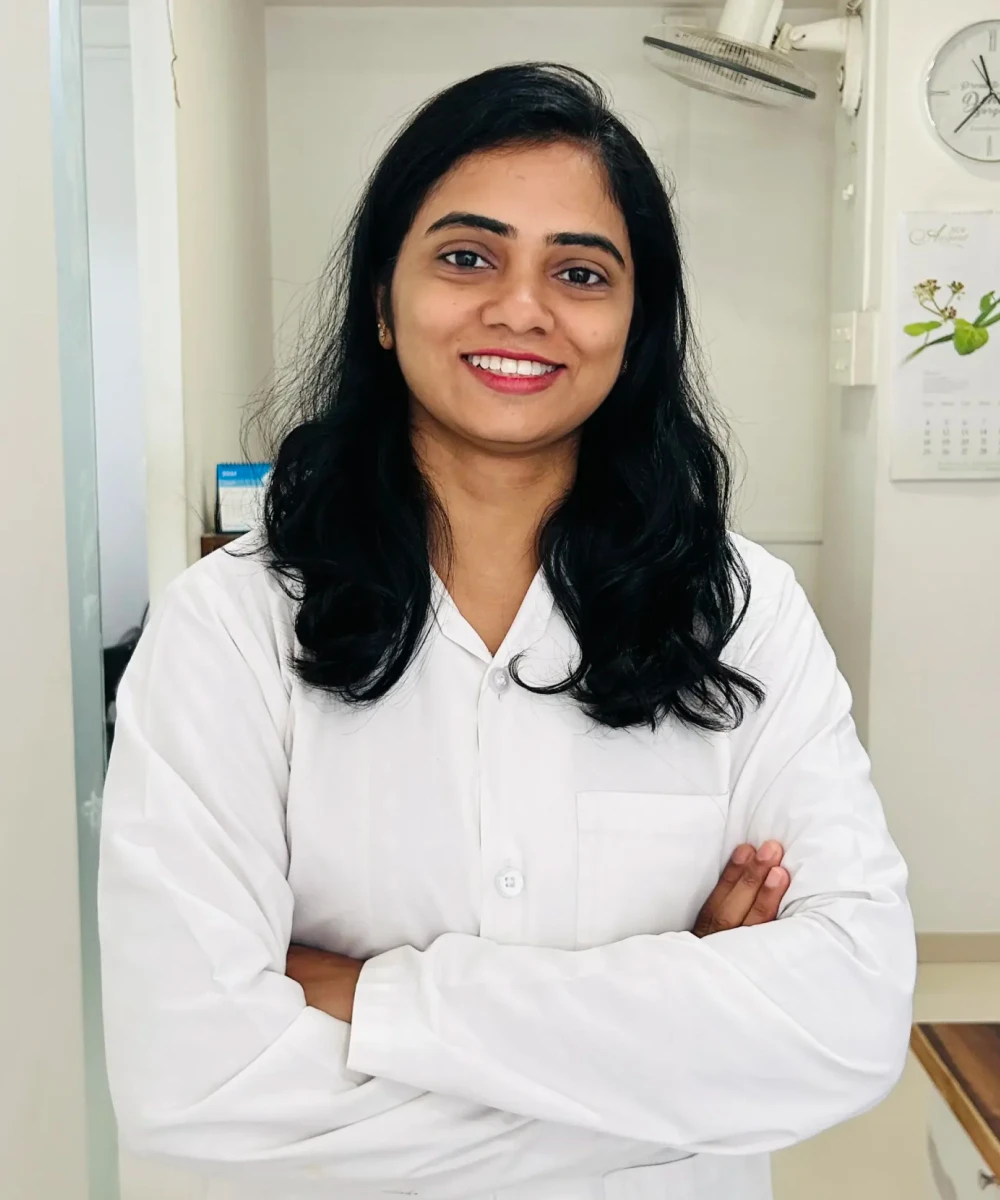
BDS, MDS · Endodontist
Dr Archana completed BDS at Rural Dental College, Loni, and MDS in Conservative Dentistry and Endodontics at SMBT Dental College, Sangamner. She received a Maharashtra University of Health Sciences gold medal and has taught as an assistant professor.
She assesses symptoms, tooth structure and restorative needs before recommending care.
The relevant dentist leads your plan, with coordinated support when needed.
“I had a wonderful experience at Sai Multi-Speciality Dental Clinic for my root canal treatment. Dr. Archana took the time to explain the entire process clearly beforehand, which really put me at ease. …”
“Dr.Archana Satpute She explains each point before treatment, provides all available options you have. I have gone through Re-RCT. The pain and swelling has gone after 1st session it self.”
“I took my father to clinic. Dr. Archana madam is a very good doctor who completed root canal treatment carefully. …”
“The root canal treatment experience at Sai Multispeciality Dental Clinic was absolutely excellent. My wife did not feel any pain or discomfort during the treatment. The doctors and staff here are highly experienced and very helpful. The clinic maintains great cleanliness and discipline. We highly recommend this clinic!”
The rating below is the overall Google rating for the clinic, not a rating for Root Canal for Children. These are 5-star Google reviews chosen for relevance to this page, shown as written. A longer review may be shortened at the end of a sentence, and the link opens the full review. Reviews describe individual experiences and do not predict the result of your treatment.
Find us in Alacrity Commercial Complex near Bitwise Terratower, Mohan Nagar, Baner.
Sai Multi Speciality Dental Clinic, Baner
Shop no 101, Alacrity Commercial Complex, near Bitwise Terratower, Mohan Nagar Co-Op Society, Baner, Pune, Maharashtra 411045, India
+91 70203 80193
WhatsApp +91 70203 80193
| Monday–Saturday | 10:00 am–1:00 pm 4:00 pm–9:00 pm |
|---|---|
| Sunday | Closed |
Please call before travelling on public holidays.
Call before travelling to confirm the schedule and any access requirements.
No. A pulpotomy removes coronal pulp while leaving suitable root pulp; other procedures treat tissue through the roots.
It can preserve function and space and prevent pain or infection until natural shedding when prognosis is suitable.
When the tooth is not restorable, infection cannot be controlled, resorption is excessive or developmental timing favours removal.
The restoration depends on tooth type, remaining structure and procedure; strong sealing and protection are important.
They can assess healing, infection, resorption and development when clinically justified.
A baby tooth holds space for the adult tooth and helps your child chew and speak. Removing it early can let neighbouring teeth drift, so the dentist weighs saving the tooth against the risk of infection to the developing tooth beneath.
Give soft food and plain water while the numbness wears off, and watch that your child does not bite the lip or cheek. Use any medicine the dentist advises and return for the review and crown or filling as planned.
An examination remains necessary even when your concern sounds similar to a common dental problem.
Tell us what you have noticed and whether the concern is routine, uncomfortable or urgent.
Bring X-rays and the proposed procedure name so vitality, restorability, materials, restoration and extraction alternatives can be reviewed.
We confirm appointment requests after checking availability.
Related care depends on the diagnosis, treatment sequence and long-term maintenance needs.
