Prevention and monitoring
Who it may suit: For stable findings, risk reduction and personalised review intervals.
Visits and timing: Often one assessment followed by risk-based recall.
A general dental appointment is often the first step for prevention, pain, damaged teeth, gum symptoms or an unclear concern. At Sai Multi Speciality Dental Clinic, Dr Archana Satpute and Dr Shrikant Gadakh assess patients within their stated fields and coordinate referral when another clinician is appropriate.
Dr Archana Satpute, BDS, MDS
General dental assessment and coordinated care

Clinically reviewed by Dr Archana Satpute and Dr Shrikant Gadakh, both dentists at the clinic. Last reviewed 16 October 2026.
General dental care brings together history, examination, risk assessment, diagnosis and an initial plan. The dentist may provide preventive or restorative care, coordinate treatment with another dentist or refer to a dentist. A patient does not need to know the procedure name before booking; describing the symptom or goal is enough. [1]
A general dental appointment is often the first step for prevention, pain, damaged teeth, gum symptoms or an unclear concern. At Sai Multi Speciality Dental Clinic, Dr Archana Satpute and Dr Shrikant Gadakh assess patients within their stated fields and coordinate referral when another clinician is appropriate.
Patients also search for this as a family dentist, a regular dentist, a dental clinic for check-ups or an all-round dentist. If you are looking for a general dentist in Baner, the clinic provides check-ups, cleaning, fillings, gum care, root canal treatment and referral when another clinician is better placed, with Dr Archana Satpute and Dr Shrikant Gadakh as the named dentists.
The dentist first defines the problem, then discusses appropriate options.
Arrange an assessment for a routine check-up, tooth pain, sensitivity, a broken tooth, bleeding or swollen gums, missing teeth, bad breath, changes in the mouth, a child’s dental concern or questions about an existing plan. Severe or rapidly worsening symptoms need triage rather than a routine appointment.
Patients may book directly or arrive after a referral. Bring information about when the concern began, what has changed and any previous treatment. A symptom list supports triage but cannot replace examination.
Arrange an assessment when the cause, urgency or treatment route is unclear.
The dentist reviews the main concern, medical conditions, medicines, allergies and relevant dental history. Examination covers teeth, gums, restorations, bite and visible oral tissues as appropriate. The visit ends with an explanation of findings, priorities, reasonable options and whether another appointment or referral is needed.
You can ask what has been found, how certain the diagnosis is, whether further records are needed and what may happen if treatment is delayed or declined.
Want to talk this through before you book? Our team can answer questions about general dentist by phone or WhatsApp.
The first visit establishes diagnosis, priorities and the next reasonable step.
Imaging is selected only when it can answer a useful question that examination alone cannot resolve. Existing X-rays or scans may be reviewed before new records are advised. Medicine lists, previous treatment details and the written proposal are especially helpful for complex care or a second opinion. [2]
Records should be proportional to the clinical question. The dentist explains why a test or image is being considered and how the result could affect the decision. Routine repetition without diagnostic value should be avoided.
When existing records are current and adequate, they may help compare plans or reduce duplication. New information may still be necessary if symptoms or the clinical condition have changed.
Useful records answer a defined question and support informed decisions.
Who it may suit: For stable findings, risk reduction and personalised review intervals.
Visits and timing: Often one assessment followed by risk-based recall.
Who it may suit: For suitable preventive, restorative, endodontic or orthodontic needs within the dentists’ scopes.
Visits and timing: Treatment may be staged across separate visits.
Who it may suit: When gum, surgical, implant, paediatric or other complexity needs another clinician.
Visits and timing: The receiving clinician confirms records and timing.
These pathways are examples rather than a menu that establishes suitability. The patient’s diagnosis, health, priorities, ability to maintain care and the consequences of each option shape the recommendation.
The least extensive maintainable option should be considered alongside active treatment.
Care begins with urgent problems and disease control before elective procedures. The dentist explains why a treatment is recommended, important risks, reasonable alternatives, maintenance and what may happen if care is delayed. Consent is revisited if diagnosis or the proposed sequence changes. [4]
Before elective care, the dentist discusses expected benefit, material risks, reasonable alternatives, responsibilities and follow-up. Consent can be revisited when findings change or the plan needs modification.
Planning, consent and monitoring are parts of treatment, not administrative extras.
A check-up or limited assessment may need one visit. Cleaning, fillings, root canal treatment, crowns, dentures, orthodontics or multidisciplinary care can require additional appointments. The clinic should distinguish diagnostic, active-treatment, laboratory and review visits rather than promising a fixed package in advance.
The clinic can provide a provisional sequence after assessment, but biological response and new findings can change it. Patients should know which visit is for diagnosis, active care, review or another clinician before scheduling travel and work commitments.
Keep the clinic informed about missed appointments, new symptoms or difficulty following instructions. Early communication can prevent a small interruption from becoming a larger treatment problem.
The number and timing of visits follow the clinical sequence rather than a fixed package.
A general dental page cannot establish diagnosis, confirm availability or promise a result. Some symptoms arise outside the tooth, some teeth cannot be predictably restored and some conditions need care from another dentist or a hospital. Outcomes also depend on health, disease severity, home care and follow-up. [3]
Expected results depend on diagnosis, disease severity, anatomy, health, patient cooperation, maintenance and factors outside a clinician’s control. A responsible page should not promise a precise outcome or describe general dental care as without risk.
Alternatives can include monitoring, another type of dental treatment, referral or choosing not to proceed. The dentist explains clinically important consequences of each reasonable route.
Balanced consent includes uncertainty and alternatives as well as potential benefit.
Children need age-appropriate communication, caregiver history and consent. Adults may have medicines, pregnancy, chronic conditions or earlier dental work that affects planning. Older adults can have dry mouth, mobility or dexterity concerns. The visit should be adapted without assuming that age alone determines treatment.
Age informs planning, but clinical findings determine suitability.
Tell the clinic about anxiety, sensory needs, a strong gag reflex, previous difficulty becoming numb or the need for breaks. The dentist can explain each step and agree on a pause signal. Comfort support should be realistic and should not replace necessary diagnosis or safety measures.
Patients can ask for an explanation before each step, agree on a signal to pause and disclose previous reactions or communication needs. Comfort support should be individualised without making claims that every visit will be without symptoms.
Not sure whether general dentist applies to you? Call or message the clinic and we will explain the next step.
Clear expectations and communication support a safer, more manageable visit.
Call for severe tooth pain, facial or gum swelling, fever, pus, trauma, a broken tooth or bleeding that does not settle. The clinic confirms urgent availability after triage. Breathing or swallowing difficulty, major injury, uncontrolled bleeding, rapidly spreading swelling or severe systemic illness requires urgent medical care.
Call the clinic and describe severity, duration and associated symptoms. The clinic confirms whether an urgent dental appointment is available. An online message is not emergency monitoring.
Use dental triage for urgent oral concerns and emergency medical services for airway risk or severe illness.
Dr Archana’s postgraduate field is Conservative Dentistry and Endodontics. Dr Shrikant’s is Orthodontics and Dentofacial Orthopaedics. Each leads care within the relevant field, and the clinic coordinates periodontal, surgical, implant, paediatric or other referrals when the needed expertise falls outside their stated scopes.
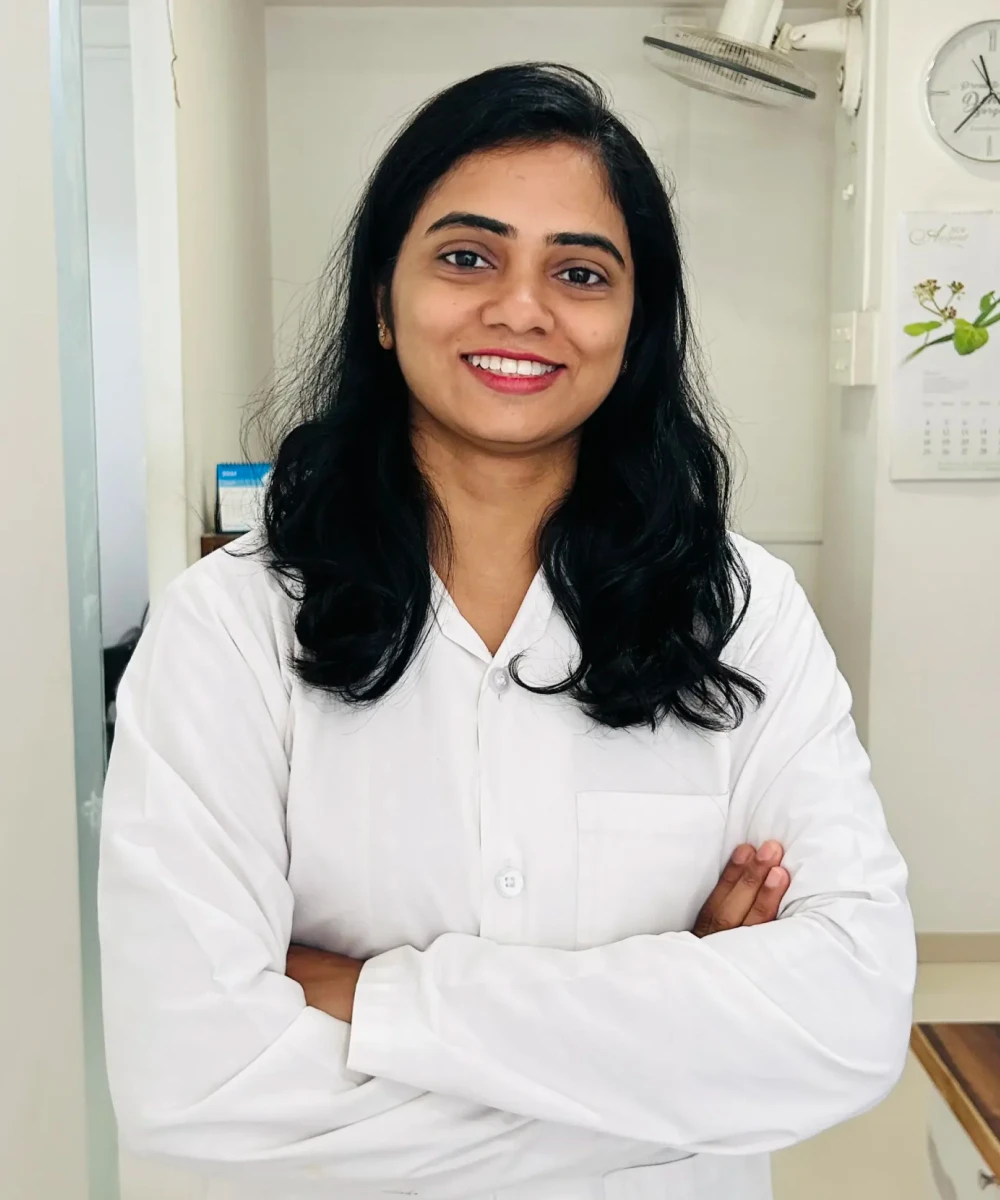
BDS, MDS · Endodontist and restorative dentist
Leads assessment and treatment planning within general dental assessment and coordinated care.
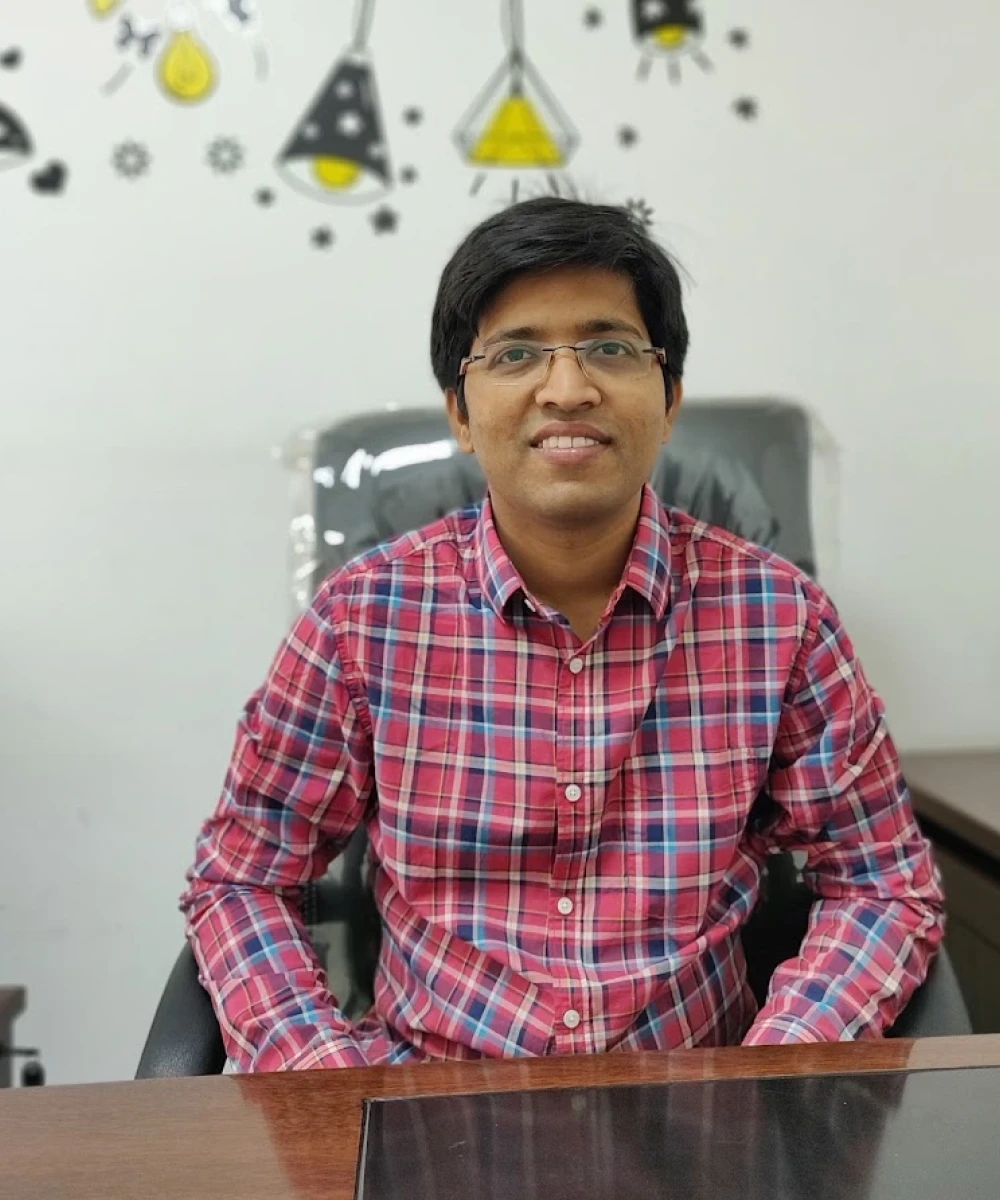
BDS, MDS · Orthodontist
Contributes when the diagnosis or sequence involves the colleague’s field.
The clinician whose training fits each problem should lead that part of care.
“Exceptional experience with the doctor and the staff at this dental clinic. Would definitely recommend for any dental checkup or issues.”
“Had a great experience with the dental treatment. The doctor was professional, gentle, and explained everything clearly. The clinic was clean and well-equipped, and the staff was very friendly. …”
“Had my wisdom tooth extraction surgery done by Dr. Archana and her team at Sai Multispeciality Dental Clinic, and the entire experience was very smooth and comfortable. I was honestly nervous before the procedure, but Dr. Archana explained everything patiently and made me feel relaxed. …”
“I had a very good experience with the doctor Archana. The treatment was done very carefully and professionally. The doctor explained everything clearly and made me feel comfortable throughout the procedure”
The rating below is the overall Google rating for the clinic, not a rating for General Dentist. These are 5-star Google reviews chosen for relevance to this page, shown as written. A longer review may be shortened at the end of a sentence, and the link opens the full review. Reviews describe individual experiences and do not predict the result of your treatment.
Sai Multi Speciality Dental Clinic, Baner
Shop no 101, Alacrity Commercial Complex, near Bitwise Terratower, Mohan Nagar Co-Op Society, Baner, Pune, Maharashtra 411045, India
+91 70203 80193
WhatsApp the clinic
| Monday–Saturday | 10:00 am–1:00 pm 4:00 pm–9:00 pm |
|---|---|
| Sunday | Closed |
Confirm dentist availability and public-holiday hours before travelling.
General dental appointments take place at the verified Mohan Nagar, Baner clinic.
You can describe prevention needs, pain, sensitivity, broken teeth, gum symptoms, missing teeth, alignment questions or an existing treatment plan.
No. Diagnosis, imaging, consent, disease control, laboratory work or referral may require separate appointments.
The clinic lists Dr Archana Satpute, BDS, MDS in Conservative Dentistry and Endodontics, and Dr Shrikant Gadakh, BDS, MDS in Orthodontics and Dentofacial Orthopaedics.
No. Imaging is advised when it is expected to answer a clinical question or change management.
Yes. Bring the written plan and available records so the diagnosis, alternatives and sequence can be reviewed.
A general dentist can examine teeth and gums, clean teeth, place fillings, treat gum problems, provide root canal care and crowns, remove teeth and refer for treatment that needs another clinician. The team tells you plainly what it can and cannot do.
Look for a clinic with clear qualifications, a treatment plan you understand, careful infection control and a team that listens. Convenient location and hours help you keep regular visits, and a second opinion is always reasonable.
The clinic confirms dentist availability after reviewing the request and schedule.
