Prevention and monitoring
Who it may suit: For risk-based review, fluoride advice, sealants or developing findings that can be observed.
Visits and timing: Recall follows disease risk and development.
A pediatric dentist, also called a pedodontist, has postgraduate training focused on infants, children and adolescents. Sai Multi Speciality Dental Clinic provides selected children’s dental assessment, but families should confirm whether a pediatric dentist is available for the child’s specific need.
Confirm the treating clinician before booking.
The clinic information reviewed does not identify a named pediatric dentist.

Clinically reviewed by Dr Archana Satpute and Dr Shrikant Gadakh, both dentists at the clinic. Last reviewed 16 October 2026.
Pediatric dentistry addresses prevention, development, dental disease, trauma and behaviour guidance for children and adolescents. Children are not simply smaller adults: tooth development, dose and material choices, consent, cooperation and the effect of treatment on future eruption require age-appropriate decisions. [1]
A pediatric dentist, also called a pedodontist, has postgraduate training focused on infants, children and adolescents. Sai Multi Speciality Dental Clinic provides selected children’s dental assessment, but families should confirm whether a pediatric dentist is available for the child’s specific need.
Patients also search for this as a kids dentist, a pedodontist, a children's dentist or a dentist for kids. If you are looking for a pediatric dentist in Baner, the clinic can explain which children's dental care it provides, when a child is better seen by a pediatric dentist in a different setting and how to confirm that before you travel. Related reading: dental check-up for children.
The pediatric dentist first defines the problem, then discusses appropriate options.
Further assessment may be useful for very young children, extensive decay, dental trauma, developmental or medical complexity, severe anxiety, limited cooperation, unusual tooth development or care involving sedation or hospital support. Routine prevention and selected treatment may be managed by a general dental team when appropriate.
Patients may book directly or arrive after a referral. Bring information about when the concern began, what has changed and any previous treatment. A symptom list supports triage but cannot replace examination.
Arrange an assessment when the cause, urgency or treatment route is unclear.
Caregivers should share the child’s medical history, medicines, allergies, symptoms, feeding and brushing habits, previous dental experiences and communication needs. The visit may focus on familiarisation and examination rather than completing treatment. Consent belongs with the caregiver while the child receives an understandable explanation.
You can ask what has been found, how certain the diagnosis is, whether further records are needed and what may happen if treatment is delayed or declined.
Want to talk this through before you book? Our team can answer questions about pediatric dentist and pedodontist by phone or WhatsApp.
The first visit establishes diagnosis, priorities and the next reasonable step.
Radiographs are prescribed only when the expected diagnostic benefit justifies them and the child can cooperate safely. Existing images are reviewed first. Photographs, growth or eruption observations and records from another dentist may help, but they do not replace current examination when symptoms have changed. [2]
Records should be proportional to the clinical question. The pediatric dentist explains why a test or image is being considered and how the result could affect the decision. Routine repetition without diagnostic value should be avoided.
When existing records are current and adequate, they may help compare plans or reduce duplication. New information may still be necessary if symptoms or the clinical condition have changed.
Useful records answer a defined question and support informed decisions.
Who it may suit: For risk-based review, fluoride advice, sealants or developing findings that can be observed.
Visits and timing: Recall follows disease risk and development.
Who it may suit: For selected restorative or urgent needs that match cooperation and clinical scope.
Visits and timing: May require short, staged appointments.
Who it may suit: For complex behaviour, sedation, medical risk, trauma or extensive care.
Visits and timing: Confirm the pediatric dentist and treatment setting.
These pathways are examples rather than a menu that establishes suitability. The patient’s diagnosis, health, priorities, ability to maintain care and the consequences of each option shape the recommendation.
The least extensive maintainable option should be considered alongside active treatment.
The dentist first addresses pain or infection, then explains preventive and restorative priorities. Behaviour guidance should be age-appropriate, respectful and discussed with the caregiver. When treatment cannot be completed safely in the clinic, referral is preferable to repeated distress or compromised care.
Before elective care, the pediatric dentist discusses expected benefit, material risks, reasonable alternatives, responsibilities and follow-up. Consent can be revisited when findings change or the plan needs modification.
Planning, consent and monitoring are parts of treatment, not administrative extras.
Children may need a familiarisation visit, diagnostic records, active treatment and review on different days. Short appointments can be more manageable, while urgent disease may change the sequence. The number of visits depends on disease extent, cooperation, development, materials and whether care from another dentist or a hospital is needed.
The clinic can provide a provisional sequence after assessment, but biological response and new findings can change it. Patients should know which visit is for diagnosis, active care, review or another clinician before scheduling travel and work commitments.
Keep the clinic informed about missed appointments, new symptoms or difficulty following instructions. Early communication can prevent a small interruption from becoming a larger treatment problem.
The number and timing of visits follow the clinical sequence rather than a fixed package.
No technique can promise cooperation or remove all discomfort. Primary teeth still matter for eating, speech, comfort and space, but treatment decisions consider how long the tooth is expected to remain, restorability and the developing adult tooth. Prevention cannot reverse every established cavity. [3]
Expected results depend on diagnosis, disease severity, anatomy, health, patient cooperation, maintenance and factors outside a clinician’s control. A responsible page should not promise a precise outcome or describe pediatric care as without risk.
Alternatives can include monitoring, another type of dental treatment, referral or choosing not to proceed. The pediatric dentist explains clinically important consequences of each reasonable route.
Balanced consent includes uncertainty and alternatives as well as potential benefit.
Infants, preschool children, school-age children and teenagers have different developmental needs. Care also needs adaptation for neurodivergence, disability, complex medical conditions or sensory differences. Families should share practical triggers and communication preferences before the visit.
Age informs planning, but clinical findings determine suitability.
Avoid promising a child that nothing will be felt. Use simple, honest language and let the clinic know about previous difficult visits. The team may use gradual familiarisation, tell-show-do communication and breaks where suitable, while advanced behaviour guidance or sedation requires an appropriately qualified provider and setting.
Patients can ask for an explanation before each step, agree on a signal to pause and disclose previous reactions or communication needs. Comfort support should be individualised without making claims that every visit will be without symptoms.
Not sure whether pediatric dentist and pedodontist applies to you? Call or message the clinic and we will explain the next step.
Clear expectations and communication support a safer, more manageable visit.
Call promptly for a child with facial swelling, fever, dental trauma, uncontrolled bleeding or severe pain. A knocked-out adult tooth is time-sensitive. Breathing or swallowing difficulty, major facial injury, rapidly spreading swelling or severe illness requires urgent medical care.
Call the clinic and describe severity, duration and associated symptoms. The clinic confirms whether an urgent dental appointment is available. An online message is not emergency monitoring.
Use dental triage for urgent oral concerns and emergency medical services for airway risk or severe illness.
Dr Archana can assess selected decay, pain and restorative concerns, while Dr Shrikant can assess growth, eruption and bite. Neither should be labelled a pediatric dentist without that postgraduate qualification. Confirm pediatric dentist availability when a pedodontist, sedation or hospital-based care is requested.
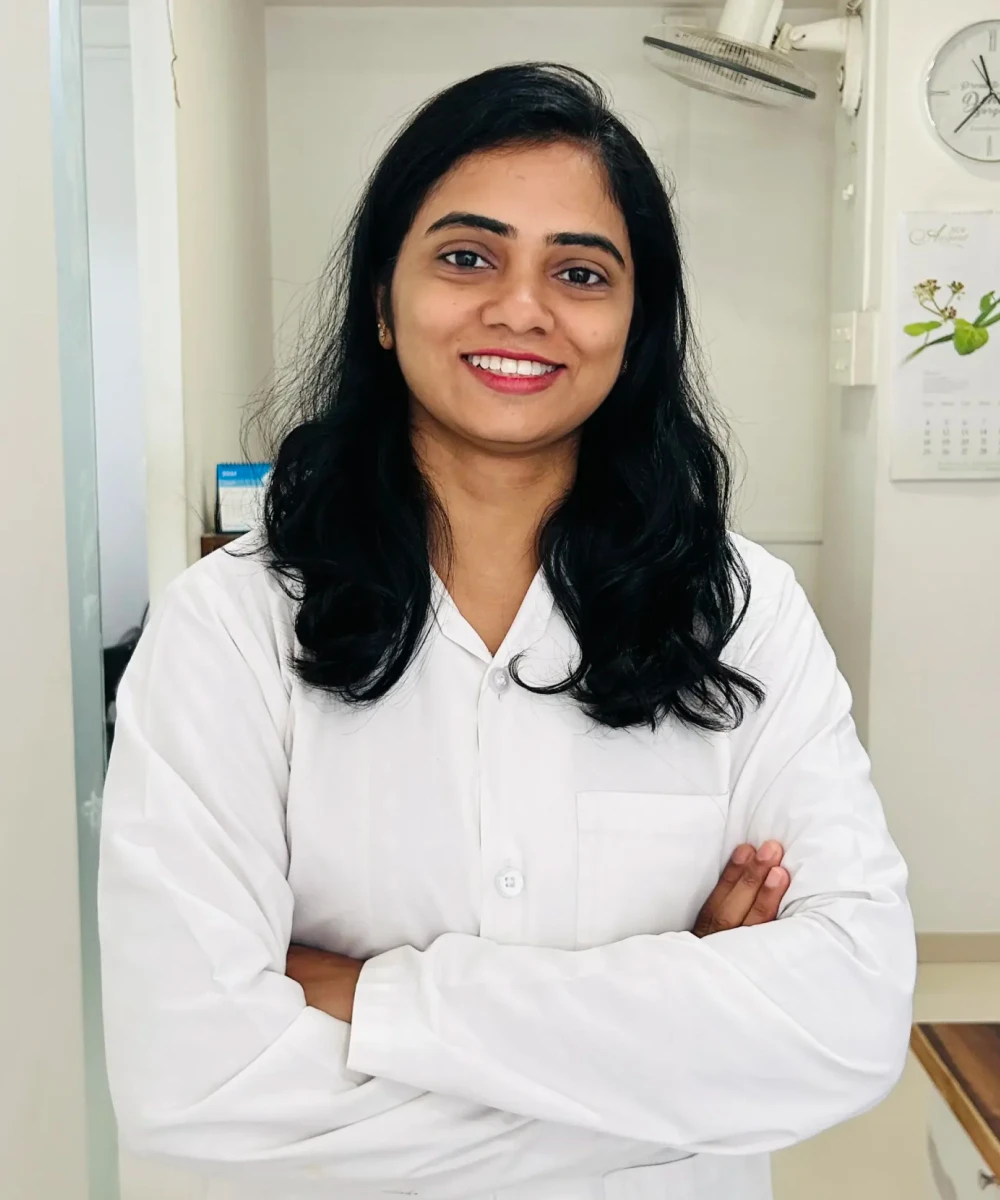
BDS, MDS · Conservative Dentistry and Endodontics
Provides assessment and coordination within her stated restorative and endodontic scope. She is not presented on this page as a pediatric dentist.
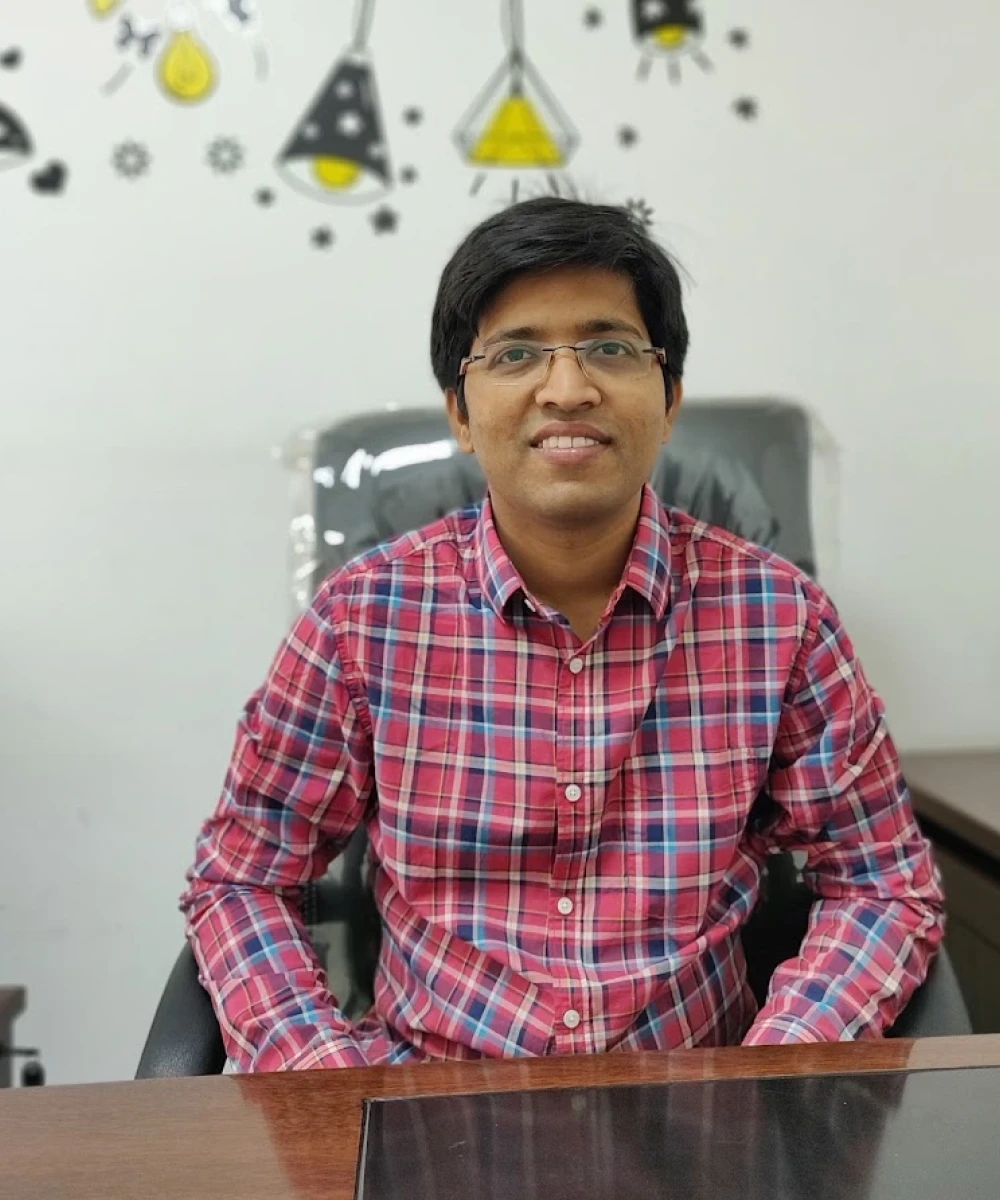
BDS, MDS · Orthodontics and Dentofacial Orthopaedics
Provides orthodontic and bite assessment within his stated scope. He is not presented on this page as a pediatric dentist.
The clinician whose training fits each problem should lead that part of care.
“We had a wonderful experience at Sai Multi Speciality Dental Clinic, Baner. Dr. Archana was so kind, gentle, and patient with my daughter during her general checkup. She made her feel completely comfortable, and my daughter wasn’t scared at all! ❤️ The assistants were also very caring and loving. Dr. Archana gave us helpful tips on caring for our daughter’s teeth, which we really appreciated. …”
“Excellent service and professional care. The staff was friendly, and the treatment was smooth and comfortable.”
“I am really happy to share this review. It was very good the way of treatment and way of speaking . I have tried many dentist in the pune and out of pune also, I got confused about to treat but when I was started treatment here, I felt and I came at perfect place for treatment. …”
“I visited this dental clinic recently and had a very good experience. The doctor was honest and clearly explained the treatment needed without suggesting anything unnecessary. They are very knowledgeable and answered all my questions patiently. The staff behaviour was polite, respectful, and welcoming. The clinic was clean and well managed. Highly recommended for anyone looking for genuine dental care.”
The rating below is the overall Google rating for the clinic, not a rating for Pediatric Dentist and Pedodontist. These are 5-star Google reviews chosen for relevance to this page, shown as written. A longer review may be shortened at the end of a sentence, and the link opens the full review. Reviews describe individual experiences and do not predict the result of your treatment.
Sai Multi Speciality Dental Clinic, Baner
Shop no 101, Alacrity Commercial Complex, near Bitwise Terratower, Mohan Nagar Co-Op Society, Baner, Pune, Maharashtra 411045, India
+91 70203 80193
WhatsApp the clinic
| Monday–Saturday | 10:00 am–1:00 pm 4:00 pm–9:00 pm |
|---|---|
| Sunday | Closed |
Confirm pediatric dentist availability and public-holiday hours before travelling.
Pediatric appointments take place at the verified Mohan Nagar, Baner clinic.
The terms are commonly used for the dental field focused on children and adolescents. Confirm the clinician’s postgraduate qualification when pediatric care is requested.
The official information reviewed does not identify one. Ask who will see the child and whether referral is needed for the child’s clinical or behavioural needs.
Not always. Examination, familiarisation, imaging, consent, cooperation and referral can require separate appointments.
Caregivers provide history and consent. How they participate during treatment depends on the child, procedure, clinician and safety.
Facial swelling, fever, trauma, uncontrolled bleeding or severe pain needs prompt triage; airway difficulty or severe illness needs emergency medical care.
A general dentist can manage routine check-ups, cleaning and simple fillings. A pediatric dentist is usually advised for very young children, severe decay, dental injury, medical conditions or children who cannot cooperate. The clinic tells you plainly when referral is better.
Bring any dental records or X-rays, a list of medicines and allergies, and a note of your child's feeding and brushing habits. A short list of questions helps, as does telling the team about earlier dental experiences.
The clinic confirms pediatric dentist availability after reviewing the request and schedule.
